
Don't Just Weigh Your Body—Understand It! The Era of Next-Generation Analysis

In this article
Monitoring weight alone is no longer enough. In particular, oncology patients facing muscle loss, postural problems and treatment-related body changes need more detailed assessments. Next-generation body analysis devices do more than measure weight: they comprehensively assess body composition, posture, cardiovascular and respiratory function, balance, reflexes and other systems. Patient-specific data provide a reliable foundation for personalized treatment plans, dietary recommendations and physical rehabilitation .
Technology: A Data-Driven, Segmental Analysis Approach
Anovator A5 uses multifrequency BIA technology to analyze intracellular and extracellular fluids separately. It detects regional changes as well as overall fat or muscle proportions. Frequencies of 20 kHz and 100 kHz provide detailed information at different tissue levels. These assessments are crucial for identifying clinical changes such as regional muscle loss after chemotherapy, edema or low body water early.
Body Composition Analysis Parameters:
- Body mass index (BMI)
- Fat percentage (total and regional)
- Muscle mass (total and segmental)
- Total body water (TBW)
- Intracellular/extracellular fluid proportions
- Bone mineral content
- BMR (Basal Metabolic Rate)
- Body age, protein proportion

Monitoring Body Composition During Oncology Care
Oncology treatments, particularly chemotherapy and radiotherapy, can directly affect body composition. Recognizing changes early improves treatment effectiveness and reduces complication risk. Sarcopenia, edema, weight loss and low protein intake cannot be understood from body weight alone. Segmental measurements make these changes clinically meaningful.
Key Measures for Oncology Follow-Up:
- Segmental muscle mass
- Protein level
- Intracellular fluid balance
- Fat-water-muscle proportion comparisons
- Distinguishing fat loss from muscle loss
Postural Assessment: Understanding Mechanical Balance
Posture analysis matters for functional health as well as appearance. In particular, postural changes after cancer surgery, lymphedema, muscle weakness or radiotherapy can affect long-term spinal health. The device automatically analyzes posture using AI, clearly identifying pelvic tilt, shoulder misalignment, knee positions and asymmetries .
Posture Analysis Parameters:
- Shoulder alignment and height
- Pelvic tilt (anterior/posterior)
- Knock-knee / bowleg angle
- Kneecap alignment
- Scoliosis tendencies (degree of asymmetry)
- Linear alignment of the lower back, hips and knees
- Deviations from the body axis

Cardiopulmonary Parameters: Treatment Tolerance and Safety
Cardiovascular and respiratory systems help determine oncology patients' treatment tolerance. Chemotherapy may damage the heart, while radiotherapy may reduce lung capacity. By measuring resting pulse and lung function , the device improves the safety of exercise prescriptions and daily activity plans.
Cardiopulmonary Assessment Parameters:
- Resting heart rate, SpO₂ (oxygen saturation)
- Systolic and diastolic blood pressure
- Respiratory capacity (spirometry)
- Cardiorespiratory fitness score
- Estimated exercise capacity (VO₂-based calculations)
Balance, Reflexes and Vision: Details That Shape Quality of Life
Chemotherapy-induced peripheral neuropathy can cause balance problems. Fatigue, slower movement and delayed reflexes can also affect daily life. Through reflex timing, balance analysis and visual focus, these systems objectively assess overall motor health. This is particularly important in older oncology patients for reducing falls risk .
Functional Assessment Parameters:
- Single-leg balance duration
- Reflex response time
- Visual response assessment
- Shoulder mobility and range of motion
- Standing balance and vibration analysis
Designed for Dietitian and Physiotherapist Collaboration
Modern follow-up requires more than a physician's decisions: dietitians, physiotherapists and psychological support must work together in multidisciplinary teams. Anovator A5 provides reportable, comparable and visualized datasets that create a shared language among these professionals, supporting treatment planning and improving adherence.
Supporting Features:
- Comparative reporting (previous and current status)
- Graphical analysis and trend tracking
- Risk scores and suggested intervention plans
- Patient-motivating screen outputs available as PDFs, through mobile apps and on paper
Tracking Changes and Long-Term Follow-Up
These devices provide more than a one-time assessment: they show comparative changes over time . For example, an oncology patient's condition before, during and after treatment can be assessed objectively, improving follow-up safety and enabling more accurate clinical decisions.
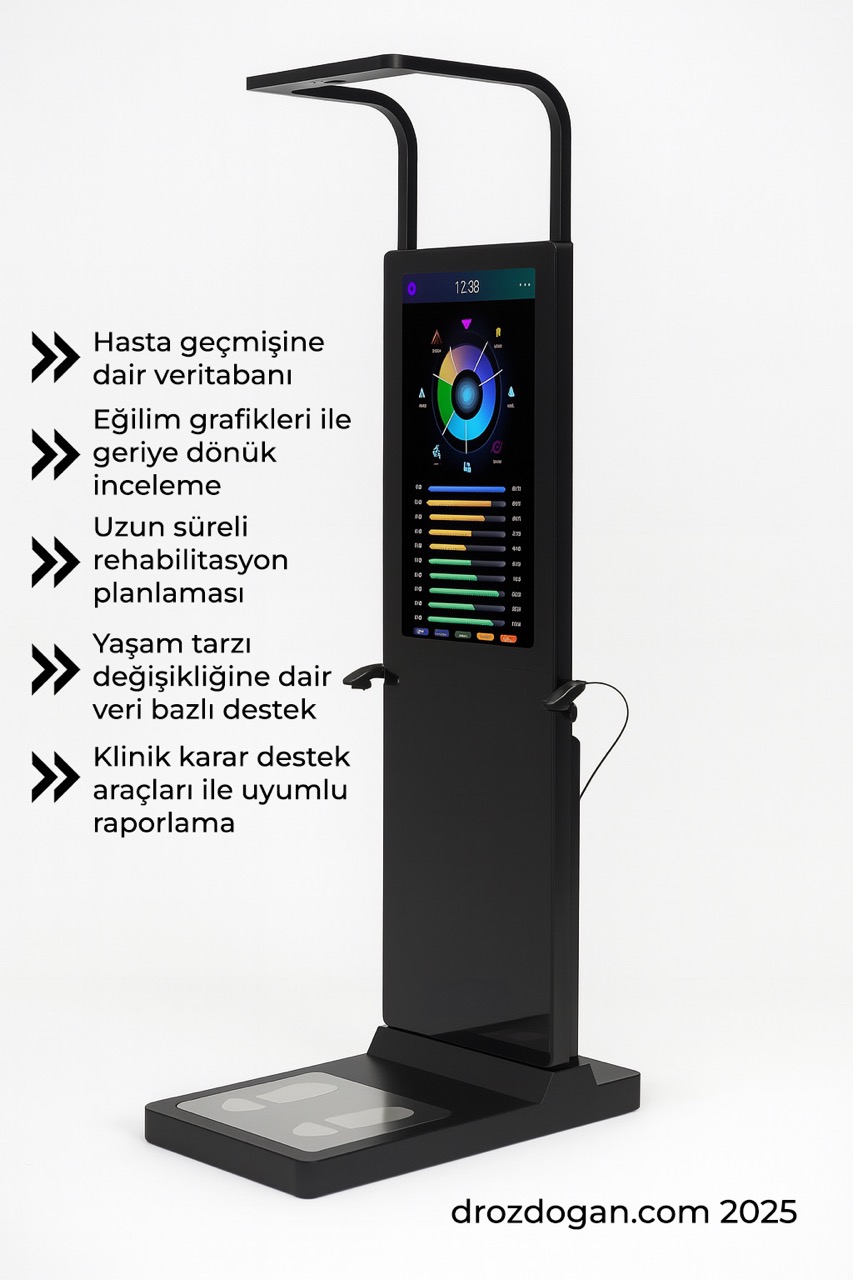
Monitoring Advantages:
- A database of patient history
- Retrospective review through trend charts
- Long-term rehabilitation planning
- Data-based support for lifestyle changes
- Reporting compatible with clinical decision-support tools
Conclusion: A Safer Health Journey Through Informed Follow-Up
Next-generation body analysis systems, particularly in oncology rehabilitation , have become a necessity. Their comprehensive datasets do more than weigh people: they understand them, providing a foundation for personalized care and a tool for those seeking evidence-based health management beyond advertising claims. Used properly, they clarify not only current health but future health as well.
Sources
2. Anovator. (n.d.). Frequently Asked Questions (FAQ). Retrieved July 3, 2025, from https://anovator.com/FAQ.html
3. Anovator. (n.d.). Homepage - Technology, Features & Health Applications. Retrieved July 3, 2025, from https://anovator.com/
4. Anovator. (n.d.). About Us - Innovation in Smart Health Tech. Retrieved July 3, 2025, from https://anovator.com/about_us.html
Was this article helpful?
Your feedback helps us improve our content.




Reader comments
Share your comment
Your name and comment are published only after administrator approval. Your email address is never shown to visitors.
Be the first to comment.