
Rehabilitation and Exercise in Lung Cancer

In this article
Lung cancer is among the most common cancers worldwide, and treatment brings physical and psychological challenges. This article highlights the importance of rehabilitation and exercise for people diagnosed with lung cancer. The aims are to improve quality of life during and after treatment, strengthen breathing capacity, and restore endurance. As part of cancer care, exercise and rehabilitation play an important role in patients' lives. We discuss exercise planning, pulmonary rehabilitation, and safe participation in physical activity.
The Role of Rehabilitation and Exercise in Lung Cancer
Rehabilitation and exercise programs can reduce the physical difficulties and side effects of lung cancer treatment described above. This section provides basic information on maintaining and improving physical function after diagnosis.
1. The Importance of Rehabilitation
Rehabilitation helps reduce treatment side effects and illness-related symptoms. It supports coping, improves quality of life, and helps patients continue everyday activities. This section details the benefits for patients with lung cancer.
2. Rehabilitation at Different Treatment Stages
Each treatment stage poses different challenges. Breathing exercises are emphasized after surgery to support recovery, while aerobic and resistance exercise become important during chemotherapy and radiotherapy to address fatigue and muscle weakness.
Pulmonary Rehabilitation
Pulmonary rehabilitation is a multifaceted program to improve breathing capacity, physical endurance, and overall quality of life. This section examines its importance in lung cancer and the physiotherapy approaches used.
Benefits of Pulmonary Rehabilitation
Pulmonary rehabilitation is crucial for improving patients' general condition before and after surgery. Its multidisciplinary approach aims to optimize breathing function and relieve symptoms.
Improved Breathing Function: Reduced respiratory capacity is common in lung cancer. Rehabilitation strengthens breathing muscles and reduces breathlessness.
Greater Physical Endurance: Surgery and other treatments can reduce endurance. Rehabilitation strengthens muscles and makes movement easier.
Better Quality of Life: Exercise and breathing techniques improve overall quality of life and ease anxiety and depressive symptoms.
Faster Postoperative Recovery: Pulmonary rehabilitation after surgery helps restore lung function and prevent complications.
Breathing Exercises
Exercises to improve lung function are central to pulmonary rehabilitation. Before and after surgery, they help increase breathing capacity and make breathing easier.
Diaphragmatic Breathing: Strengthening the diaphragm enables deeper, more controlled breathing. More air reaches the lower lungs, increasing oxygen intake.
Pursed-Lip Breathing: This method helps keep airways open and makes breathing easier. Exhaling through gently pursed lips releases air from the lungs more slowly. It is particularly used to relieve breathlessness.
Incentive Spirometry: This device encourages deep breathing and helps the lung re-expand after surgery. Regular use improves function and helps clear secretions.
Aerobic Exercise
Treatment may substantially reduce physical endurance and general fitness. Aerobic exercise can improve overall endurance and support breathing muscles.
Walking: Gentle walking is an important part of pulmonary rehabilitation, recommended before and after surgery. It improves cardiovascular endurance and lung capacity.
Cycling (Stationary Bicycle): Stationary cycling is a low-impact exercise that builds endurance and strength without straining lung capacity.
Chest Mobilization and Postural Correction
Lung surgery may restrict chest wall movement, impair breathing, and cause postoperative pain. Chest mobilization and posture exercises help relieve these problems.
Chest Wall Mobilization: Gentle mobilization improves movement in chest muscles stiffened by surgery and supports lung expansion.
Postural Correction: Postural changes may occur after surgery. Drawing the shoulders back and using appropriate sitting and standing positions improve breathing function.
Muscle-Strengthening Exercises
Muscle weakness is common during lung cancer treatment, particularly with chemotherapy and radiotherapy. Exercises to preserve and improve strength are therefore an important part of pulmonary rehabilitation.
Resistance Exercises: Low-resistance exercise strengthens muscles. Elastic bands or body-weight exercises help improve overall strength.
Upper Limb Exercises: Upper limb range-of-motion exercises help prevent restricted shoulder and arm movement after surgery.
Strengthening Breathing Muscles
Stronger breathing muscles improve respiratory function. These muscles may weaken after lung cancer surgery, causing breathlessness.
Respiratory Muscle Exercises: Exercises that strengthen inspiratory muscles improve breathing capacity and reduce respiratory difficulty.
Physiotherapy and Rehabilitation After Lung Cancer Surgery
Physiotherapy and rehabilitation after lung cancer surgery are crucial for improving breathing capacity, restoring functional ability, and enhancing quality of life.
Operations often involve an extensive area and can particularly affect breathing capacity. Rehabilitation minimizes postoperative complications and accelerates recovery.
The pulmonary approaches discussed previously are especially important after surgery. Additional physiotherapy and rehabilitation methods include:
Early Mobilization and Walking Training
Early movement after lung surgery improves circulation and reduces complications. Encouraging postoperative activity accelerates recovery.
Early Walking: Bedside mobilization and gentle walks improve circulation and prevent pulmonary complications. Walking is initially assisted, with independence encouraged as recovery progresses.
Low-Intensity Exercise: Begin slowly and progress according to endurance. These exercises preserve strength and improve breathing capacity.
Upper Limb Exercises
Lung surgery may stiffen and weaken muscles around the chest and shoulder, restricting arm movement and causing pain.
Shoulder and Arm Mobilization: Slow, controlled upper limb movements preserve shoulder range and prevent weakness. They reduce stiffness around the incision and improve mobility.
Resistance Exercise: Arm and shoulder exercises with low-resistance bands help preserve and improve postoperative strength.
Pain Management
Postoperative pain can hinder recovery and restrict movement. Physiotherapy offers several management strategies.
TENS (Transcutaneous Electrical Nerve Stimulation): Electrical stimulation may control pain and provide relief. It is used to reduce postoperative pain and improve mobility.
Cold/Heat Therapy: Cold applications may support healing and relieve pain around the surgical area. Heat relaxes muscles and makes movement easier.
Lymphedema Management (Lymphatic Drainage)
Lymph node removal or damage during surgery may cause lymphedema: swelling from fluid accumulation that requires additional care.
Lymphatic Drainage Massage: Manual techniques improve lymph flow, reduce swelling, and help control lymphedema.
Compression Therapy: Special garments or bandages may prevent lymph fluid accumulation.
Breathing Control and Relaxation: Patients learn breathing control to reduce postoperative stress and anxiety. Relaxation regulates breathing and also helps pain management.
Rehabilitation Techniques Explained
Breathing Exercises
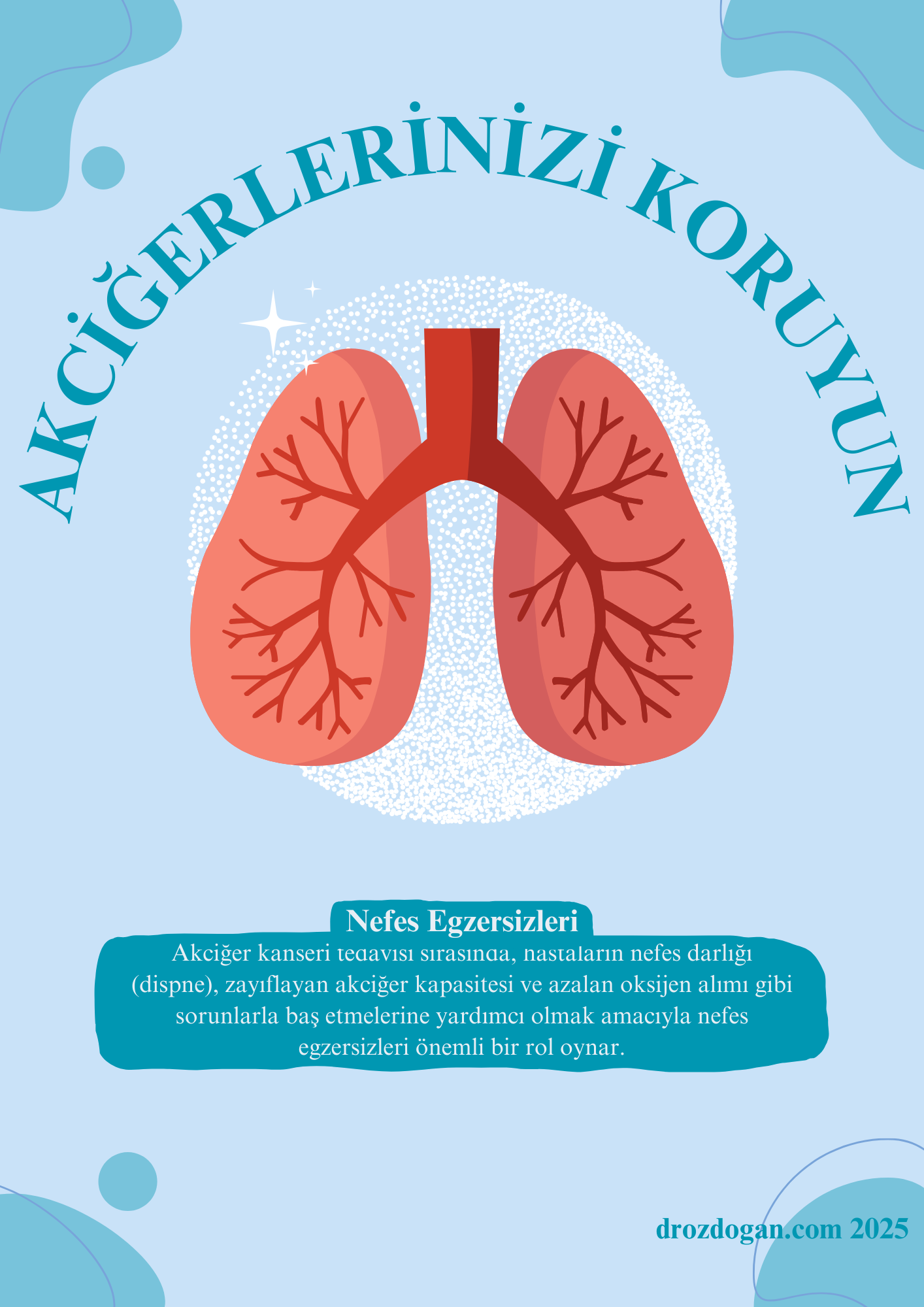
Breathing exercises strengthen respiratory muscles, improve oxygen intake, and promote efficient lung use. Core techniques include:
Diaphragmatic Breathing (Abdominal Breathing)
This technique uses the lower lungs more effectively and strengthens breathing muscles. The diaphragm lies beneath the lungs and is central to breathing. Diaphragmatic breathing reduces breathlessness and energy expenditure.
How to Do It:
- Relax while sitting or lying comfortably.
- Place one hand on your chest and the other on your abdomen.
- Breathe in slowly through the nose, watching the abdomen expand. Chest movement should be minimal.
- Breathe out slowly through pursed lips, as though blowing out a candle, and focus on the abdomen moving inward.
- Repeat for 5-10 minutes several times daily.
Benefits:
- Reduces breathlessness.
- Strengthens breathing muscles.
- Helps more oxygen enter the body.
Pursed-Lip Breathing
This is particularly useful for patients experiencing breathlessness. Exhaling through pursed lips helps reduce trapped air and slow breathing.
How to Do It:
- Breathe in normally through the nose.
- Purse your lips and breathe out slowly as though blowing out a candle. Exhalation should last approximately twice as long as inhalation.
- Keep exhalation slow and controlled.
- Apply this with each breath, especially when breathless.
Benefits:
- Slows and controls breathing.
- Reduces trapped air in the lungs.
- Relieves the sensation of breathlessness.
Segmental Breathing
This exercise focuses on particular lung regions for more efficient breathing. A tumor's location may prevent some regions from working properly. Segmental breathing aims to activate them and improve airflow.
How to Do It:
- Sit or lie comfortably.
- Place your hands over a specific chest area: lower, middle, or upper.
- Focus on that area, take a deep breath, and allow it to expand.
- Apply gentle pressure with your hands while exhaling.
- Repeat separately for each lung region.
Benefits:
- Improves airflow into specific regions.
- Activates breathing muscles.
- Increases breathing capacity.
Chest Expansion (Thoracic Expansion)
This exercise encourages chest expansion and fuller lung use, helping the lungs take in more oxygen.
How to Do It:
- Stand or sit.
- Take a deep breath while raising your arms outward and upward to expand the chest.
- Lower the arms slowly as you exhale, returning to the starting position.
- Repeat several times, trying to feel the chest expand with each breath.
Benefits:
- Increases lung capacity.
- Maintains chest wall mobility.
- Relieves breathlessness.
Inspiratory Muscle Training (IMT)
Inspiratory muscle training strengthens the muscles used to breathe in, particularly the diaphragm and intercostal muscles. A special device is generally used, although simple methods are also described.
How to Do It:
- Take a deep breath through an inspiratory training device or a simple tool such as a straw.
- You will feel resistance while inhaling through the device, making the muscles work harder.
- Exhale normally.
- Practice for a few minutes daily.
Benefits:
- Strengthens breathing muscles.
- Increases lung capacity.
- Reduces breathlessness.
Cough Control Exercises
Cough is common in lung cancer and can cause fatigue and breathlessness. These exercises aim to control the cough reflex and make coughing more effective.
How to Do It:
- Sit comfortably.
- Take a deep breath through the nose.
- Feeling the air in your chest, give one or two dry, firm coughs.
- Try to keep the neck and shoulder muscles relaxed.
- Use this exercise particularly in the morning to clear phlegm.
Benefits:
- Helps clear phlegm.
- Makes coughing more controlled.
- Relieves breathlessness.
Pranayama (Yoga Breathing Techniques)
Pranayama is the general term for yoga breathing techniques. It may help patients relax and improve breath control. “Anulom Vilom,” or alternate-nostril breathing, is particularly known as a balancing exercise.
How to Do It:
- Sit comfortably.
- Close the right nostril and breathe deeply through the left.
- Close the left nostril and exhale through the right.
- Then inhale through the right and exhale through the left.
- Continue for a few minutes.
Benefits:
- Helps balance breathing.
- Reduces stress and anxiety.
- Increases lung capacity.
Aerobic Exercise
Aerobic exercise improves lung capacity, circulation, and overall endurance. It helps relieve breathlessness, maintain fitness, and reduce cancer-related fatigue. Examples include:

Resistance Exercise
Resistance exercise builds strength and preserves muscle mass. Muscle loss and weakness are common during treatment. Preventing muscle loss makes everyday activities easier.
Free weights: Small dumbbells or household items such as water bottles can strengthen arm and leg muscles.
Elastic bands: Resistance bands are useful for muscle training. Arm and leg exercises with bands help preserve muscle mass.
Resistance machines: Gym machines allow controlled strength training. Exercise major muscle groups 2-3 days a week. Each exercise may involve 2-3 sets of 8-12 repetitions. Avoid excessive muscular strain.
Stretching and Balance
Stretching relaxes muscles and improves flexibility, while balance exercises improve stability. Maintaining joint movement and reducing fall risk are important during treatment. These exercises also ease stress and promote mental relaxation.
Stretching: Simple stretches lengthen muscles. For example, bend toward the knees while seated to stretch the legs, or raise the arms overhead to work the shoulders.
Yoga: Yoga is excellent for flexibility and relaxation. Balanced breathing techniques also improve respiration.
Tai Chi: Slow, controlled Tai Chi movements improve balance and mental focus. Stretching for 10-15 minutes daily or practicing yoga or Tai Chi several times a week may be appropriate. Avoid strain and combine movement with breathing techniques.
Exercise and Rehabilitation With Virtual Reality (VR)
Rapid technological advances are creating new healthcare and rehabilitation methods. Virtual reality (VR) is attracting attention for its applications in physical and mental health.
VR-based exercise and rehabilitation have considerable potential to increase activity participation, relieve treatment symptoms, and improve quality of life in lung cancer. Alongside traditional methods, they may help patients participate more actively in care.
What Is Virtual Reality, and Where Is It Used?
VR uses computers or special headsets to create interactive, simulated three-dimensional environments. Users can move, perform tasks, and interact between real and virtual worlds. Healthcare use has expanded rapidly, particularly in rehabilitation, psychotherapy, and education.
Applications in Lung Cancer Rehabilitation:
Exercise and Physical Activity: Patients can walk, cycle, or perform gentle aerobic activity virtually. This may be an appropriate alternative for people with limited mobility or low motivation.
Breathing Therapy: VR systems can guide breathing exercises to improve lung function and make techniques easier to learn.
Psychological Support and Anxiety Management: VR enables meditation and relaxation and may reduce treatment-related stress and anxiety.
Postoperative Rehabilitation: Physical exercise may be limited after surgery. VR allows a safe, gradual return to activity during this period.
Physiological Benefits of VR in Lung Cancer
Maintaining and improving physical capacity is vital during treatment. VR may play an important role in increasing activity.
- Improved Breathing Function: Breathlessness and reduced lung capacity can seriously affect quality of life. VR breathing exercises provide regular practice of lung function. Learning and applying techniques virtually may increase capacity and reduce breathlessness.
- Greater Cardiorespiratory Endurance: VR walking, jogging, or cycling exercises the heart and lungs, improving oxygen use and supporting circulation. It offers a low-impact, enjoyable, motivating option, particularly in advanced disease when participation is limited.
- Greater Muscle Strength and Endurance: Chemotherapy and radiotherapy may reduce muscle mass. Virtual resistance exercises may help preserve strength. Virtual cycling or walking that works the legs is particularly suitable for muscle weakness.
Psychological and Social Benefits
Patients may face stress, anxiety, and depression during treatment. VR can be a powerful tool for improving psychological well-being and reducing isolation.
Managing Stress and Anxiety: Meditation and relaxation applications may lower stress. Virtual nature walks, meditation beside the sea, or a calming forest environment can promote relaxation and ease treatment-related emotional pressure.
Increasing Motivation: Compared with conventional exercise, VR may increase motivation. Setting virtual goals can strengthen achievement and encourage active participation in treatment.
Social Participation: VR allows interaction with other patients or friends. Such contact reduces loneliness and improves morale. Group exercise in virtual settings enables shared time and mutual support.
Applications and Scenarios
VR technology can be applied in several different scenarios in lung cancer rehabilitation. These can vary according to patients' physical and psychological needs.
- Exercise in Virtual Rehabilitation Clinics: Patients can access virtual exercise and rehabilitation clinics, performing activity safely with professional guidance and maintaining exercise during treatment.
- Home Rehabilitation: Headsets allow safe exercise at home, particularly benefiting patients unable to travel to hospital or move about physically. Virtual home exercise may help preserve capacity.
- Postoperative Breathing Exercises: Virtual breathing exercises may be recommended after surgery to increase capacity. Guided techniques help patients learn breathing methods and improve function.
Scientific Evidence and Research
Various studies demonstrate benefits of VR-based exercise and rehabilitation in lung cancer:
Participation and Satisfaction: Studies have reported greater participation than with traditional methods. Patients describe greater motivation and enjoyment during VR exercise.
Effects on Breathlessness and Fatigue: Virtual breathing exercises have been observed to ease breathlessness and treatment-related fatigue. VR offers an effective way to teach breathing techniques.
Effects on Quality of Life: Research supports better overall quality of life and lower stress and anxiety with VR rehabilitation. Such technology can particularly improve quality of life in advanced disease through greater psychological support.
Benefits of Exercise in Lung Cancer
Increasing Cardiorespiratory Endurance
Treatment can impair lung function and reduce cardiorespiratory capacity. Exercise, particularly aerobic activity, may increase lung capacity and oxygen use. Regular walking, swimming, or cycling can relieve breathlessness and improve exercise tolerance, making daily activities easier.
Improving Muscle Strength and Endurance
Inactivity during treatment can weaken muscles and reduce overall capacity. Resistance exercise and functional movement preserve and improve strength. Minimizing muscle loss may accelerate recovery after treatment. Stronger legs and trunk improve mobility and reduce fall risk.
Fatigue and Energy
Fatigue is among the most common treatment effects. Chemotherapy and radiotherapy may markedly reduce energy for a prolonged period. Research shows that exercise benefits treatment-related fatigue and improves energy. Aerobic activity may reduce fatigue through better circulation and endorphin release.
Psychological Benefits and Quality of Life
Patients commonly experience anxiety, depression, and stress. Exercise may help address these difficulties; regular activity has been shown to improve mood and reduce stress. Group or individual training can build confidence and quality of life. Social contact during exercise also eases isolation.
Reducing Treatment Side Effects
Physical activity may ease treatment effects such as chemotherapy-induced neuropathy, lymphedema, and bone loss. Gentle resistance and flexibility exercises reduce joint stiffness and may prevent swelling through improved circulation. Balance and strength training may also reduce neuropathy-related fall risk.
Effects on Breathing
Lung cancer can substantially impair breathing capacity. Diaphragmatic and controlled breathing exercises help patients breathe more effectively. Aerobic exercise supports lung function, improves oxygen use, and reduces breathlessness. Pulmonary rehabilitation is particularly important.
Reducing Inflammation
Inflammation in lung cancer is associated with tumor growth and treatment difficulties. Exercise may lower inflammation through anti-inflammatory effects, improving resilience during treatment and benefiting general health.
Metabolic and Cardiovascular Health
Patients may gain or lose weight during treatment. Regular exercise can balance metabolism and prevent excessive changes. It also supports cardiovascular function, protects heart health, and improves general well-being.
Planning an Exercise Program
Appropriate monitoring is crucial for effective exercise. Follow-up should be tailored to individual needs at every treatment stage and reviewed regularly.
Planning and Initial Assessment
The first step is a comprehensive assessment based on physical condition, cancer stage, and treatment. It should include:

The program is adjusted to physical and psychological capacity and begins with low-intensity activity.
Key Monitoring Measures
Once exercise begins, regularly monitor the following measures to ensure effectiveness and safety:
Breathing: Assess respiratory function before and after each session, using a breathlessness scale such as the Borg score or oxygen saturation. Reduce intensity if breathlessness worsens.
Cardiovascular Monitoring: Monitor heart rate, blood pressure, and oxygen saturation during activity. Because cardiovascular strain may increase in lung cancer, check regularly. Keep heart rate within the target intensity and stop exercise for an abnormal rise.
Fatigue: Fatigue is common and needs careful monitoring throughout treatment. Assess it during and after exercise. Measures such as a cancer-related fatigue scale may be used as objective scales in this process. Reassess the program if fatigue is excessive.
Pain Management: Assess pain during and after activity. If it increases, reduce intensity or choose another exercise. Postoperative pain around the surgical site may require program changes.
Weekly and Monthly Follow-Up
Monitor regularly and assess effectiveness. Collaboration with the physiotherapist, oncology team, and exercise specialists is important.
- Weekly Review: Review exercise data each week to assess whether intensity, duration, and frequency suit the patient's condition. Revisit breathlessness, heart rate, oxygen saturation, and fatigue.
- Monthly Review: Monthly follow-up should be broader. Repeat physical performance tests to assess improvements in strength, endurance, and general fitness.
Also assess psychological well-being, because exercise may improve depression and anxiety. If there is no progress, review and adjust the program.
Adapting to Individual Needs
Revise exercise continually as treatment circumstances change. Chemotherapy side effects may increase and capacity decline; reduce intensity and duration and favor gentle aerobic activity.
During Chemotherapy and Radiotherapy: Keep exercise lighter. When energy falls and fatigue increases, choose walking or gentle resistance work.
After Surgery: Protect the surgical area during recovery. Emphasize gentle activity and breathing exercises for the first few weeks, increasing gradually as healing progresses.
Recurrence or Advanced Disease: Adapt activity to maintain daily function and improve quality of life. Low-intensity exercise and flexibility may take priority.
Digital Exercise Monitoring
Digital devices and apps make monitoring easier. Options for patients with lung cancer include:
Fitness Trackers: Devices recording heart rate, steps, or calories can track daily activity. These data are important for adjusting intensity.
Mobile Apps: Smartphone apps can track programs and set daily goals, providing motivation and strengthening exercise habits.
Telerehabilitation: Remote systems allow physiotherapists and exercise specialists to monitor sessions digitally and provide immediate feedback, supporting safe exercise at home.
Ways to Ensure Exercise Safety
Exercise can benefit lung cancer treatment, but safe performance is essential to protect general health and minimize risks.
Safety requires careful monitoring and management of physical condition, treatment stage, and side effects. The following approaches help ensure safe exercise:
Initial Assessment
Every patient should have a comprehensive health assessment before starting. It should include:
- Physical Condition and Fitness: Assess capacity, muscle strength, endurance, and flexibility to determine suitable activities.
- Respiratory Function: Measure lung capacity and breathing function with tests such as spirometry. Assess breathlessness and adjust intensity accordingly.
- Heart Health: Consider cardiovascular status, carefully assessing heart rate, blood pressure, and other functions because treatment can cause cardiovascular problems.
- Chemotherapy and Treatment Status: Chemotherapy and radiotherapy can substantially affect exercise safety through side effects. Develop a careful program under medical supervision.
Choosing Appropriate Exercise
Individualize activity according to current condition and ability. Steps for a safe program include:
- Aerobic Exercise: Low-impact walking, swimming, or cycling may safely improve lung capacity. Reduce intensity if breathlessness or fatigue occurs.
- Resistance Exercise: Begin strength work with low weights and high repetitions. Design exercises to avoid straining postoperative areas.
- Flexibility and Mobility: Flexibility work may safely improve postoperative mobility, but respect joint limitations.
Monitoring Heart Rate and Oxygen Saturation
Check heart rate and oxygen saturation regularly during activity. Stay within the target heart rate range to avoid excessive increases.
Carefully monitor oxygen saturation (% SpO2) as well. Because oxygen may fall in patients with lung cancer, consider these measures:
- Supplemental Oxygen: Patients with low saturation may receive oxygen during exercise.
- Short Breaks: Pause briefly if breathlessness or fatigue develops.
- Monitoring Devices: Use heart rate and oxygen saturation monitors for continuous observation during exercise.
Managing Fatigue and Pain
Fatigue is common during treatment. Monitor closely and adapt the program. Reduce intensity or shorten sessions when fatigue is excessive.
Pain Monitoring: Check carefully for pain during exercise, especially in sensitive postoperative areas.
Subjective Fatigue Scale: Patients can rate fatigue on a 0-10 scale during exercise. This information can help adjust intensity and frequency.
Adapting Exercise During Treatment
Adjust intensity during chemotherapy, radiotherapy, or immunotherapy. According to side effects and general condition, modifications may include:
During Chemotherapy: Immunity and energy may decline. Gentle aerobic activity and low-resistance muscle work may be recommended.
During Radiotherapy: Skin sensitivity and general fatigue may increase. Make activity gentler and keep it at a comfortable level.
Balance and Fall-Risk Management
Neuropathy, muscle weakness, or balance difficulties may develop during treatment. Take specific precautions to reduce falls:
- Balance Exercises: Include exercises improving balance and coordination to reduce fall risk.
- Supportive Equipment: Patients may use a balance bar during exercise, a stationary bicycle, or a walking aid.
- A Safe Environment: Avoid slippery surfaces and keep walking routes clean and unobstructed.
Physical and Psychological Support
Patients may need both physical and emotional support. A physiotherapist or exercise specialist can monitor safety and provide feedback. Also assess psychological well-being and help maintain motivation.
Communication Before and After Exercise: Ask about feelings, pain, and fatigue beforehand and compare these with observations afterward.
Social Support: Group activities or loved ones' participation can increase confidence and motivation through social interaction.
Was this article helpful?
Your feedback helps us improve our content.


Reader comments
Share your comment
Your name and comment are published only after administrator approval. Your email address is never shown to visitors.
Be the first to comment.