
How Should Stress Be Managed? Effective Techniques for a Healthy Life

In this article
In the rush of modern life, stress is something almost everyone faces at times. During stress, your heart beats faster and breathing quickens: this is the body's natural response to danger. Brief, mild stress can motivate us, but chronic stress has much more harmful effects on health. Managing stress is therefore a necessity for healthy living rather than a luxury.
Stress management comprises methods used to reduce the negative effects of stress and maintain quality of daily life. Stress-management techniquesinclude habits and methods that help people respond more consciously to stressors, maintain balance, and live healthily. What can we do to cope? This article explores how stress should be managed and examines effective techniques step by step.
The Effects of Chronic Stress: Harm to Body and Mind
In the short term, stress triggers the body's fight-or-flight response, preparing us for danger. When stressors persist and become chronic stress , however, the effects on the body can be serious.

Under chronic stress:
- The cardiovascular system is strained: Stress hormones, such as cortisol and adrenaline, increase heart rate and blood pressure. Over time, this can increase the risk of hypertension and heart disease.
- The immune system weakens: Persistent stress can suppress immunity, leaving the body more vulnerable to infections such as colds and other illnesses.
- Sleep and energy are disrupted: Chronic stress makes falling asleep difficult or reduces sleep quality. Inadequate sleep then causes daytime fatigue and concentration problems.
- Mood is affected: Prolonged stress can lead to mental health problems such as anxiety disorders and depression.
- Other physical problems: Headaches and digestive problems are among the conditions that can develop with chronic stress.
These effects show why controlling stress is critical for healthy living. Next, we explore effective techniques for reducing these negative effects.
Effective Stress-Management Techniques
There are many ways to manage stress, and the best approach differs between individuals. Deep breathing calms some people, while a brisk walk may work best for others. The important thing is to control stress for a healthy life by incorporating supportive habits into daily routines.
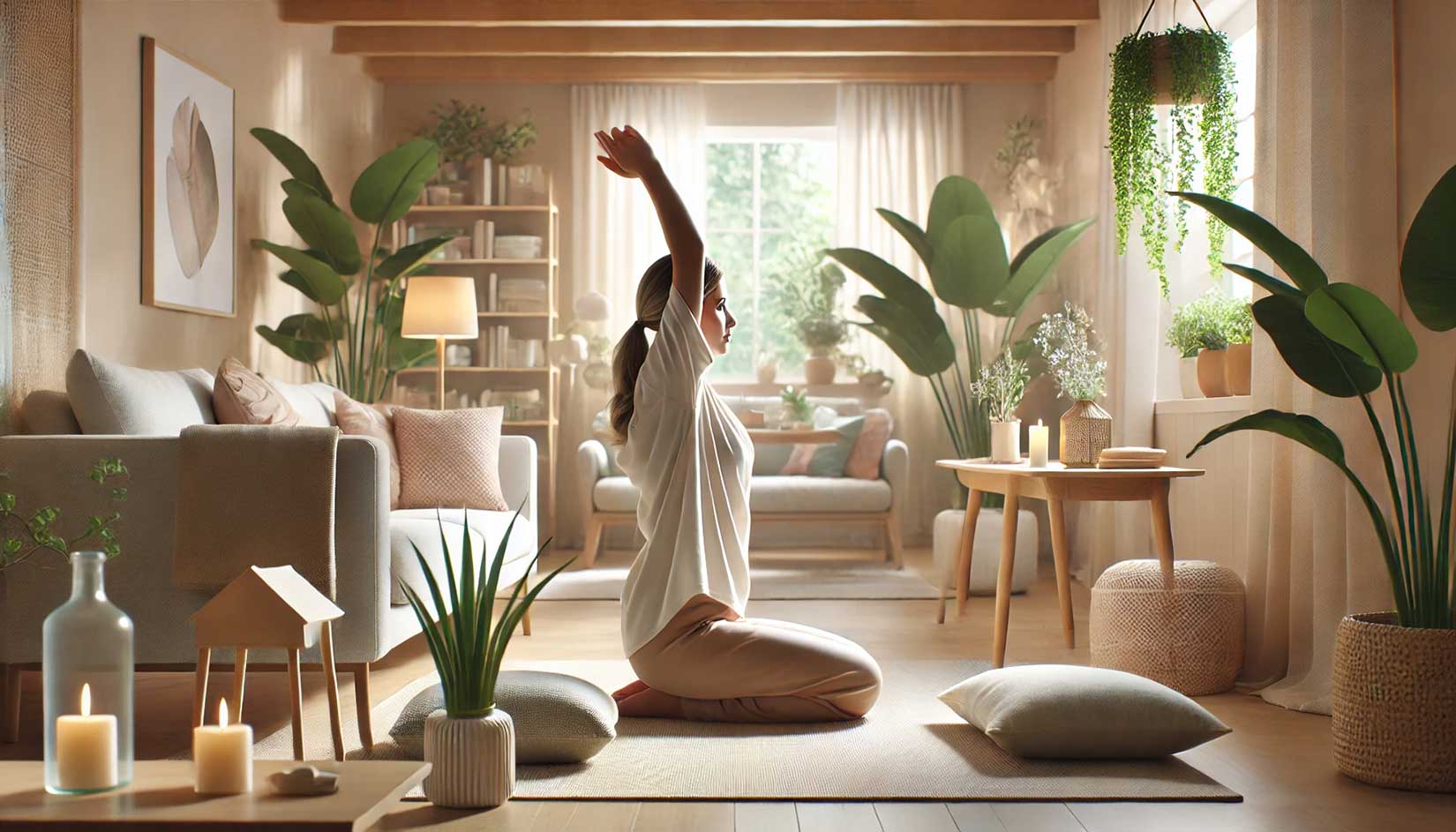
The main methods you can use are:
1. Relaxation Through Breathing Exercises
Breathing is life's most basic need and can become a powerful stress-relief tool when used appropriately. Deep, controlled breathing physiologically calms the body by slowing the heart and lowering blood pressure. So, how do you perform a breathing exercise? Follow these steps for a simple deep-breathing exercise:
- Get comfortable: Sit or lie on your back. Close your eyes and relax your shoulders.
- Breathe in deeply: Inhale slowly and deeply through your nose while counting to 4. Feel the air filling your abdomen (diaphragmatic breathing).
- Hold your breath: Pause, holding your breath for approximately 6-7 seconds.
- Exhale: Exhale very slowly through your mouth while counting to 8. Feel your chest and abdomen fall as you breathe out.
- Repeat: Repeat this breathing cycle a few times.
You can use this simple exercise whenever you feel stressed during the day. Focusing on breathing clears mental distraction and helps you stay in the present.
2. Mindfulness and Meditation: Practicing Presence
An increasingly familiar practice in recent years, mindfulness (conscious awareness)involves experiencing the present without judgment, with acceptance and full awareness. Put simply, what is mindfulness? It is the art of directing the mind toward today and the present moment rather than past regrets or future worries. Meditation is its most important tool: a mental exercise practiced sitting or lying down while focusing attention on breathing or a mantra.
Regular meditation reduces stress hormones, regulates blood pressure, and brings mental calm. Set aside just 10-15 minutes daily to close your eyes in a quiet place and focus on your breathing. If your thoughts wander, return attention to the breath and the present. Over time, this helps you respond more consciously and remain calm in stressful situations.
3. Regular Physical Activity and Exercise
Movement is one of the most natural ways to relieve stress. Feel-good hormones released during exercise, such as endorphins , reduce tension and improve mood. Exercise also helps lower stress hormones such as cortisol, allowing the body to return to normal more quickly. Aim for 30 minutes of moderate physical activity on at least 3-4 days per week. Walking, running, cycling, or even dancing are options; the key is finding an activity that makes you happy and keeps you moving.
Exercise improves not only physical health but also sleep quality. Better sleep increases resilience to daytime stressors. Morning exercise can balance energy throughout the day, while an after-work exercise session can help release the day's stress.
4. Healthy Habits: Nutrition, Sleep, and Time Management
Successful stress management depends on long-term healthy habits as well as techniques that help in the moment. Taking care of the body increases resilience to stress.
- Balanced Nutrition: A nourishing, balanced diet strengthens the body's ability to cope with stress. Limit excessive caffeine and sugar because they may increase anxiety.
- Regular, Adequate Sleep: Try to get 7-8 hours of quality sleep each night. Insufficient or irregular sleep can increase stress and leave you more sensitive the next day. Avoid screens such as phones and computers before bed, and establish a relaxing routine, such as a warm shower, herbal tea, or reading, to improve sleep quality.
- Time Management and Planning: Daily chaos and feeling unable to keep up are major sources of stress. Arrange your to-do list realistically and identify priorities. Learning to say “no” when necessary instead of taking on too much also reduces the burden. Remember to take short breathing breaks during the day.
5. Recharging Through Social Support and Hobbies
Spending time with loved ones and sharing feelings with people you trust are among the most effective ways to reduce the effects of stress.
In addition, engaging in hobbies and activities you enjoy helps take your mind off stress. Make enjoyable pursuits such as listening to music, painting, gardening, or volunteering part of your week. Social activities and hobbies give your mind a break and increase life satisfaction.
6. Do Not Hesitate to Seek Professional Support
Sometimes stress remains difficult to manage despite all your efforts. If it seriously affects daily life, disrupts sleep, or causes symptoms such as panic attacks or intense anxiety, professional help may be the best step. A psychologist or psychiatristcan teach coping methods such as cognitive behavioral therapy and provide support through short-term medication when needed. Mental health matters as much as physical health; seeking help does not mean you have run out of strength but is a sign of courage. With professional support, you can learn to recognize triggers and develop coping strategies, building greater emotional resilience over time.

Frequently Asked Questions
What is mindfulness?
Mindfulnessmeans conscious awareness and refers to focusing attention on current experience, accepting the present without judgment rather than dwelling on the past or future. It is generally developed through meditation but can also be practiced in everyday life, such as focusing on the taste of food while eating or noticing each step while walking. Keeping the mind from constantly wandering into the past or future can reduce stress.
How do I perform a breathing exercise?
First, find a quiet place and sit comfortably. Try this simple technique: inhale deeply through your nose while counting to 4. Hold your breath for 6-7 seconds. Then exhale very slowly through your mouth while counting to 8. You can repeat this exercise, known as the 4-7-8 method, 4-5 times in succession. Try to focus only on your breathing throughout.
Was this article helpful?
Your feedback helps us improve our content.




Reader comments
Share your comment
Your name and comment are published only after administrator approval. Your email address is never shown to visitors.
Be the first to comment.