
Is Armpit Itching a Sign of Cancer?

Itching in the armpit most often indicates irritation, infection, eczema or dermatitis , a skin condition. In very rare cases, itching in the armpit can be a sign of cancer.
This article describes two types of cancer that can cause itching in the armpits. We also outline 6 different, less serious causes of armpit itching, how to prevent itching and when to see a doctor.
Armpit itching and cancer
Most cases of armpit itching are caused by noncancerous skin conditions.
However, lymphomas and inflammatory breast cancer, are two types of cancer that can cause armpit itching.
Lymphoma-related itching
Lymphocytes are white blood cells that help protect the body from infection and disease. Lymphoma is cancer affecting these cells.
There are many different types of lymphoma. The two main types are Hodgkin lymphoma and non-Hodgkin lymphoma.
Itching occurs in approximately %33 of patients with Hodgkin lymphoma and approximately %10 of patients with non-Hodgkin lymphoma.
Itching is caused by chemicals called cytokines that irritate nerve endings in the skin. The immune system releases cytokines in response to lymphoma cells.
Itching may occur in places where lymph nodes are located. There are hundreds of lymph nodes in different parts of the body, including the armpits.
Other areas that may itch because of lymphoma:
- areas of skin affected by lymphoma
- lower legs
- in some cases, itching may affect the whole body.
Other symptoms of lymphoma include:
- swollen lymph nodes (most commonly in the armpits, neck and groin)
- fever
- chills
- night sweats
- unexplained weight loss
- lack of energy
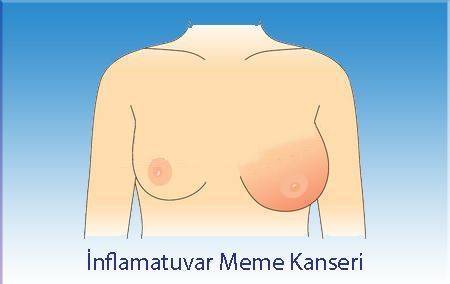
Inflammatory breast cancer-related itching
Inflammatory breast cancer is a rare type of breast cancer that can cause itching of the breast and surrounding areas.
Other symptoms of inflammatory breast cancer:
- a swollen or enlarged breast
- a feeling of warmth or heaviness in the breast
- breast pain or tenderness
- skin changes such as swelling, thickening or dimpling resembling orange peel
- redness covering more than one-third of the breast
- a retracted nipple
However, breast tenderness, warmth, swelling and itching are usually symptoms of a less serious condition, such as an infection (for example, mastitis), rather than cancer.
In such cases, if there are no other signs or symptoms, a doctor may recommend a course of antibiotics.
If symptoms do not improve within 7 to 10 days with antibiotic treatment, people should contact their doctor, who can arrange tests to check for signs of cancer or another condition.
Other causes of itching in the armpit
Itching in the armpit is usually a sign of irritation or various infections.
The following 6 conditions are more common causes of armpit itching.
Intertrigo
Intertrigo is a rash that develops in skin folds. It occurs when heat and moisture become trapped between skin folds, causing yeast, fungi or bacteria to grow.
The rash is usually red or brown and may itch or cause a burning sensation.
The armpits are areas where intertrigo commonly develops. It can also occur in the following areas:
- in neck folds
- under the breasts
- under the abdomen
- in the groin
- between the toes
A doctor may prescribe a topical steroid cream to relieve itching and irritation. In severe cases, they may prescribe an antibiotic or antifungal cream to clear the infection.
Eczema
The term eczema refers to a group of conditions that cause skin irritation. The most common symptoms of eczema are itching and redness. Eczema can occur anywhere on the body.
Some people may find that eczema affects their skin in other ways too. Other skin symptoms of eczema include:
- dryness
- sensitivity / tenderness
- swelling
- oozing or crusting
- dark areas of skin
- rough, leathery or scaly patches
Although there is no complete cure for eczema, some treatments help relieve symptoms and prevent the condition from worsening.
People should visit a dermatologist for diagnosis and to discuss possible treatments.
Irritant contact dermatitis
Deodorant, soap and laundry detergent have the potential to irritate some people's skin.
Irritant contact dermatitis is a type of eczema. Contact dermatitis occurs when the skin comes into contact with an irritant.
The condition may result from a single exposure to a toxic substance or repeated exposure to an irritant.
Any substance that comes into contact with the armpit area has the potential to be an irritant. Examples include:
- water
- soaps
- razors
- deodorant
- laundry detergent
- fabric softener
Itching, burning and stinging are common symptoms of contact dermatitis. In severe cases, the skin may crack and bleed.
People who suspect contact dermatitis should see a doctor, who can recommend treatments to heal the skin and prevent the condition from worsening.
Heat rash
Heat rash, also known as miliaria, is skin irritation that usually occurs in hot and humid weather.
Heat rash occurs when sweat glands become blocked and cannot release sweat. Water trapped inside the glands causes them to swell. This produces painful itching or a prickling sensation.
Heat rash usually appears as a cluster of small pimples or blisters. Clusters commonly occur in the armpits and other places where skin touches skin.
Areas where heat rash may occur include:
- neck
- under the breasts
- in elbow creases
- around the groin
Heat rash usually resolves when the skin cools. Applying cold compresses and wearing loose clothing can ease skin irritation.
In some cases, a doctor may provide a lotion to relieve pain and discomfort.
Hyperhidrosis
Hyperhidrosis is a condition in which the sweat glands produce excessive amounts of sweat.
This condition can affect sweat glands throughout the body or those in specific areas, such as the armpits.
Although hyperhidrosis is uncomfortable, it is relatively harmless. However, hyperhidrosis increases the risk of fungal infection, which can cause armpit itching.
Poor hygiene
The armpits harbor many different bacteria, which are part of our natural skin flora . Poor hygiene practices can lead to a buildup of sweat and dirt on the skin, allowing these bacteria to multiply.
Excess bacteria cause odor and an increased risk of infection, which can in turn cause itching.
Keeping the armpits clean is important for preventing itchy armpits.
When to see a doctor?
People should see a doctor if they think their armpit itching could be a sign of cancer. Some cancers are easier to treat when detected early.
People should also see a doctor if they are concerned about any of the following in the armpit:
- a bacterial or fungal infection
- a skin condition such as eczema or dermatitis
- persistent heat rash
Tips for preventing armpit itching
The following tips may help prevent bacterial and fungal infections:
- keeping the skin cool and dry
- showering after exercise
- drying the armpits thoroughly after a shower or bath
- wearing sleeveless tops or loose T-shirts
- using breathable, sweat-absorbing materials
The following tips may help relieve symptoms of armpit eczema:
- avoiding soaps and deodorants containing harsh chemicals
- avoiding shaving with a dry razor
- using a gentle patting motion to dry the skin
- using laundry detergents intended for babies and people with sensitive skin
- avoiding scented fabric softeners
Summary
Itching in the armpit is usually a sign of a noncancerous skin condition. Common examples include skin infections or a chronic skin condition such as eczema.
Rarely, armpit itching can be a sign of cancer. Lymphoma and inflammatory breast cancer are two cancers that can cause armpit itching.
Sources
Can itchy armpits be a sign of cancer?
medicalnewstoday.com - Wed 14 August 2019
Was this article helpful?
Your feedback helps us improve our content.




Reader comments
Share your comment
Your name and comment are published only after administrator approval. Your email address is never shown to visitors.
Be the first to comment.