
Lifestyle-Related Cancers Have Increased

Alongside research into next-generation cancer treatments, statistical data are collected to generate information about cancer numbers and predict populations’ future health. The Global Burden of Cancer Study Group published diagnosis and mortality rates for 29 cancer types. The study results were published in June 2018 in JAMA Oncology. The most striking finding was the marked increase in lifestyle-related cancers in developing countries.
According to the Study Results:
- In 2016, there were 17.2 million new cancer cases worldwide. The number of people who died from cancer was 8.9 million.
- Between 2006-2016, new cancer cases increased by 28 percent. This increase was largely associated in developing populations with population growth, aging and rising obesity rates . Of all cancers, 65% occur at age 65 or older.
- However, cancer is increasing fastest in low- and middle-income countries. Tobacco consumption and use of cheap convenience foods are very high in these countries.
- The increase in skin, lung and colorectal cancers is concerning. It is important to emphasize that these cancers can largely be prevented by avoiding smoking and excessive sun exposure and eating healthily.
- Cancer cases have increased by one-third over the past decade.
- In 2016, lung cancer accounted for 20 percent of cancer deaths. Air pollution from vehicles and industrial factories is one of the important causes of lung cancer.
- A sedentary (inactive) lifestyle, alcohol use and processed foods are causing an increase in colorectal cancer.
- Cervical cancer and other infection-related cancers such as gastric cancer have declined. This is due to successfully managed vaccination programs against HPV and effective management of Helicobacter pylori infection.
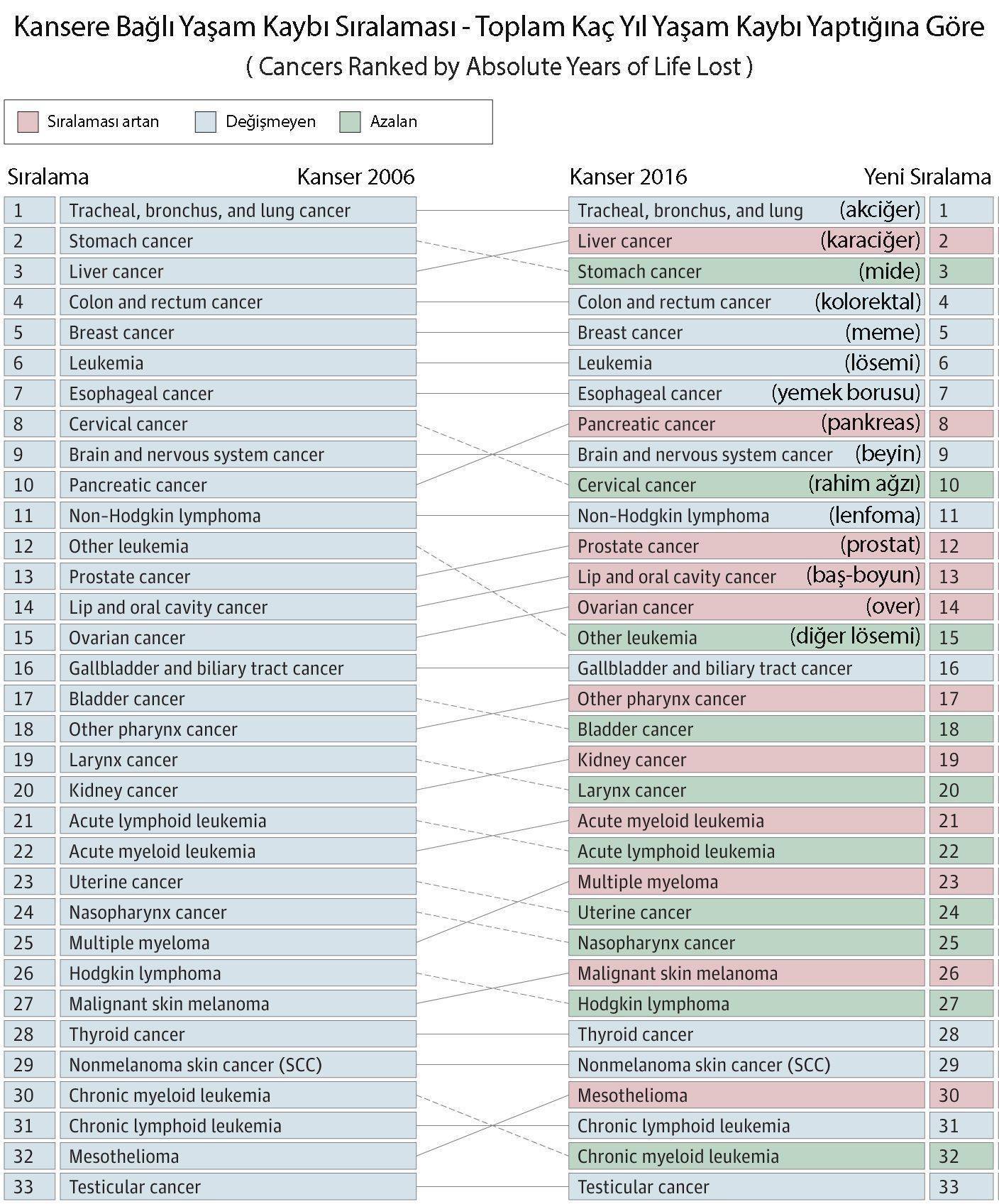
Although increasing cancer cases raise concerns, most of these cancers can be prevented through lifestyle changes. You can protect yourself against cancer by avoiding smoking, adopting a healthy lifestyle and attending regular screening programs. Modern medicine uses the most scientific and up-to-date methods for cancer prevention.
Sources
Global, Regional, and National Cancer Incidence, Mortality, Years of Life Lost, Years Lived With Disability, and Disability-Adjusted Life-Years for 29 Cancer Groups, 1990 to 2016.
JAMA Oncol - June 2, 2018.
Was this article helpful?
Your feedback helps us improve our content.




Reader comments
Share your comment
Your name and comment are published only after administrator approval. Your email address is never shown to visitors.
Be the first to comment.