
MR-HIFU Device Receives FDA Approval for Osteoid Osteoma Treatment
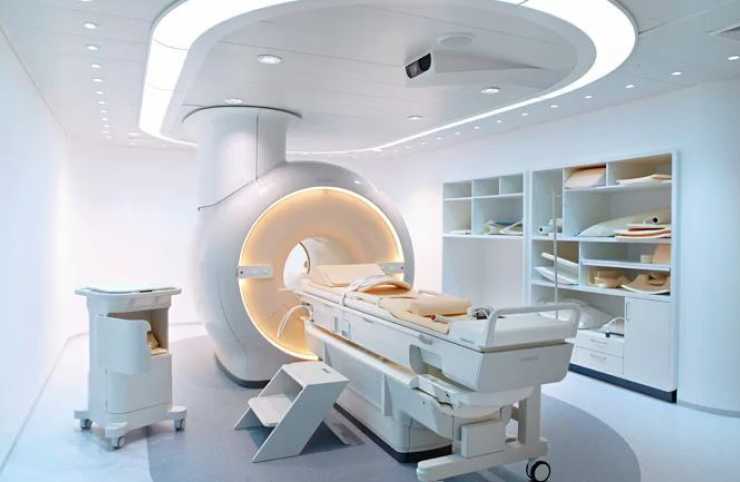
On 27 November 2020, the United States Food and Drug Administration (FDA), for the treatment of osteoid osteoma in the extremities (arms and legs), approved the Sonalleve MR-HIFU system (Profound Medical Inc.).
What Is Osteoid Osteoma?
Osteoid osteoma is characterized by a small radiolucent nidus (dark core) (usually <1 to 1.5 cm in diameter) and is a benign bone tumor. The nidus produces high levels of the hormone prostaglandin. In addition to prostaglandins, there is some evidence that osteoid osteomas may secrete osteocalcin. Osteoid osteoma is structurally and genetically similar to osteoblastoma, and the two tumors may be different presentations of the same genetic entity. Osteoid osteoma accounts for approximately 12% of benign bone tumors.
What Are the Symptoms and Clinical Features of Osteoid Osteoma?
Osteoid osteoma typically occurs in the second decade of life, but it has also been reported in children as young as 11 months. The lower extremity (legs) is most commonly affected; the thigh bone near the groin is the most common site. Other common sites are the tibia, the rest of the femur, and the spine. It is usually a solitary tumor. Boys are affected two to three times more often than girls.
Patients with osteoid osteoma typically complain of progressively worsening pain that is worse at night and may or may not be associated with activity.
Pain is usually relieved by nonsteroidal anti-inflammatory drugs within 20-25 minutes. If patients taking nonsteroidal anti-inflammatory drugs do not obtain relief, other diagnoses should be considered.
Children with a tumor detected in the lower extremity may present with laxity, swelling, muscle atrophy, differences in leg length, bone deformities, muscle contractures, and local point tenderness at the lesion site. Patients with tumors affecting the hip joint may have a reduced range of motion in the hip and / or a positive hip impingement sign (pain with internal rotation and slight adduction of the hip in 90 ° flexion), findings initially femoroacetabular impingement.
Children with spinal lesions may present with scoliosis, localized tenderness, restricted movement, and / or spasm of the paravertebral muscles. Children and adolescents with new-onset painful scoliosis should be evaluated for osteoid osteoma.
What Does Osteoid Osteoma Look Like on Radiological Images?
Radiologically, osteoid osteoma appears as a small, round lucency (nidus) with a sclerotic rim.

A) Full and B) magnified views of the midshaft of the femur show an area of dense sclerotic cortical thickening laterally, containing a small oval lucent nidus (arrow).
Approximately 25 to 40 percent of osteoid osteomas are not apparent on radiographs because of their location (for example, in the spine) or because cortical thickening obscures the nidus (e.g., in the shaft of a long bone such as the tibia or femur), and require computed tomography (BT) for identification. On magnetic resonance imaging (MRG), osteoid osteomas may cause soft tissue edema, which can obscure the nidus and superficially mimic a stress reaction, infection, or malignant tumor. Therefore, BT is the preferred method for further imaging when an osteoid osteoma is suspected on the basis of radiographs.
What Is the Standard Treatment for Osteoid Osteoma?
Treatment of osteoid osteoma depends on the presence of signs and symptoms. If these can be controlled with nonsteroidal anti-inflammatory drugs, the tumor can be observed with serial examinations and radiographs every four to six months.
Other treatment options for osteoid osteomas causing severe signs and symptoms (e.g., unbearable pain, scoliosis) include BT-guided needle localization, radiofrequency ablation (at selected institutions), surgery, cryotherapy, or MRG-guided high-intensity focused ultrasound. Treatment options may be limited by proximity to vital structures.
Course of the Disease
An untreated osteoid osteoma resolves spontaneously within a few years. Removal of the nidus usually results in pain reduction. Recurrence is possible if the nidus is not completely removed.
FDA Approval of MR-HIFU for Osteoid Osteoma Treatment
MR-guided High Intensity Focused Ultrasound (MR-HIFU) treatment is an image-guided technique that combines high-intensity focused ultrasound ablation with real-time monitoring of temperature changes during ablation.
HIFU is an ablation method that destroys the tumor with high heat (see our article Nonsurgical Cancer Treatments).
Clinical studies support the potential benefit of the Sonalleve MR-HIFU system for ablation (destruction with heat) of painful osteoid osteoma. Efficacy was evaluated in a study of nine patients treated with MR-HIFU without technical difficulties or serious side effects. There was a statistically significant reduction in pain scores within 4 weeks after treatment. In 8 of the 9 patients, pain medication was no longer needed after 4 weeks.
Sources
Was this article helpful?
Your feedback helps us improve our content.




Reader comments
Share your comment
Your name and comment are published only after administrator approval. Your email address is never shown to visitors.
Be the first to comment.