
Antidepressants and Cancer: Hope or Risk?

In this article
SSRI (Selective Serotonin Reuptake Inhibitor) antidepressants are frequently prescribed for depression and anxiety. In recent years, however, their potential effects not only on brain chemistry but also on cancer cells and the tumor microenvironment have become a subject of research.
In this article, we will discuss the effects of SSRI antidepressants on cancer, potential benefits and risks, situations requiring caution, and current scientific findings.
How Do SSRI Antidepressants Work?
SSRIs work by increasing serotonin levels in the brain. Serotonin is a neurotransmitter associated with happiness. These drugs inhibit serotonin reuptake in the synaptic cleft, allowing it to remain effective longer.
An interesting fact: serotonin is active not only in the brain but also in the immune system, gastrointestinal system, and cancer microenvironment and other parts of the body.
What Effects Do SSRIs Have on Cancer Cells?
Some preclinical studies have shown that SSRI antidepressants can have antitumor effects on certain cancer cells.
These effects include:
- Suppressing cancer cell proliferation
- Triggering programmed cell death (apoptosis)
- Slowing tumor growth
and similar mechanisms.
Promising results have been reported particularly in these cancer types:
- Colorectal cancer
- Glioblastoma
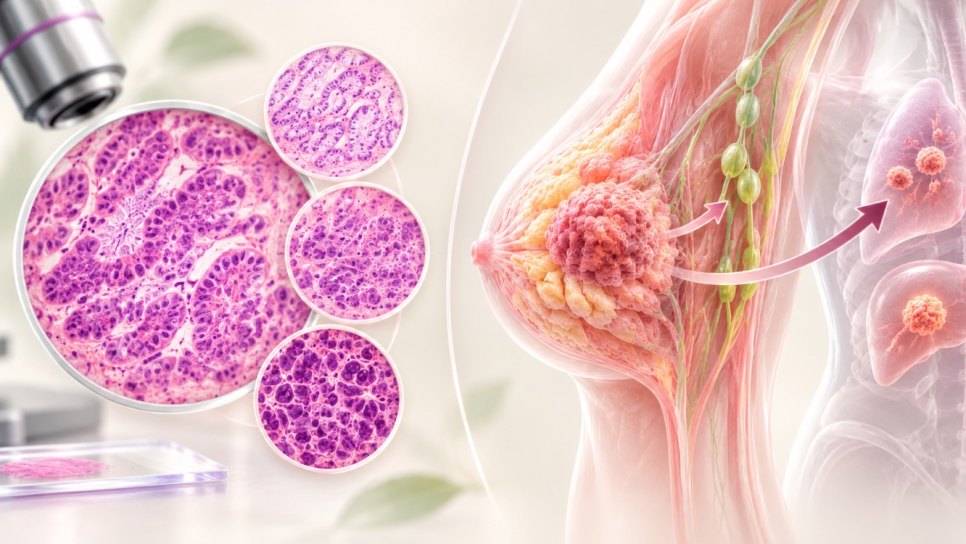
- Breast cancer

Does SSRI Use Carry Risks in Cancer Treatment?
Yes, it can pose risks in certain situations. Particularly in patients with hormone-positive breast cancer, tamoxifen and similar medications may be involved in drug interactions . Some SSRIs (for example, paroxetine, fluoxetine) can reduce tamoxifen's effectiveness.
In addition:
- By suppressing the immune system, SSRIs may reduce immunotherapy effectiveness
- They may promote tumor growth by affecting estrogen metabolism
For this reason, an oncologist and psychiatrist should collaborate in selecting an SSRI.
Do Tumors Cause Anxiety?
Yes, some tumors can lead, both through direct neurological pathways and through indirect mechanisms, to symptoms of anxiety .
1. Neuropsychiatric Effects of Brain Tumors
Tumors in the brain's mood-regulating centers, the frontal lobe, limbic system, or hypothalamus and similar regions can cause anxiety, agitation, and depression and similar symptoms. These symptoms are associated with direct pressure from the tumor or surrounding inflammation.
2. Hormone-Secreting Tumors
Hormone-producing structures such as pheochromocytoma or certain neuroendocrine tumors can cause catecholamine (adrenaline, noradrenaline) excess, resulting in panic attack-like symptoms.
3. Psychological Responses and Diagnostic Stress
Receiving a cancer diagnosis is, for many patients, a traumatic and anxiety-provoking process. Uncertainty, fears about life, physical changes, and uncertainty about treatment can lead to generalized anxiety disorder or adjustment disorder .
Note: In these situations, antidepressant use may become unavoidable, but SSRI selection must be made carefully according to the patient's diagnosis, treatment plan, and concomitant medications.

What Are the Clinical Findings in Cancer Patients Taking SSRIs?
Clinical studies have produced mixed results:
- Some studies have observed in patients taking SSRIs longer survival times .
- Others have reported neutral or negative outcomes.
These differences may depend on cancer type, the SSRI used, treatment duration, and concomitant medications.
Depression in People Diagnosed with Cancer and the Importance of Treatment
Depression develops in approximately %30-40 of cancer patients , as is known. When depression is untreated:
- Adherence to treatment decreases
- Quality of life declines
- The recovery process is adversely affected
For this reason, antidepressant treatment, when planned correctly, is vitally important. However, in treatment selection, an individualized approach is essential.
New Research: Can SSRIs Be Used in Cancer Treatment?
SSRIs are being considered for drug repurposing strategies. Research is examining:
- SSRIs' effects on the tumor microenvironment
- Modulation of the immune system
- Potential for combined use with chemotherapy
Studies in this field suggest that SSRIs may play a broader role in cancer treatment in the coming years.
Conclusion:
The Complex Relationship Between SSRI Antidepressants and Cancer SSRI antidepressants may offer both benefits and potential risks.
In summary:
- Anticancer effects in certain cancer types may occur
- They may be harmful through interactions with certain treatments
- They may be indispensable in providing psychological support
For this reason, SSRI use, taking into account cancer type, the patient's psychological condition, and concomitant treatments , should proceed based on a physician's decision.
Sources
2. Wrobel, L. et al. (2022). Interactions between tamoxifen and SSRIs in breast cancer patients.
3. NEJM, June 2025: Pharmacologic Management of Cancer-Related Symptoms
4. Stark, A.M. et al. (2011). Depressive symptoms and anxiety in brain tumor patients: A clinical perspective.
5. Kwekkeboom, D.J. et al. (2019). Pheochromocytoma and anxiety: neuroendocrine mimics of psychiatric disorders.
Was this article helpful?
Your feedback helps us improve our content.


Reader comments
Share your comment
Your name and comment are published only after administrator approval. Your email address is never shown to visitors.
Be the first to comment.