
Does Everyone Have Cancer Cells?

In this article
Cancer involves abnormal, uncontrolled cell growth and spread to other parts of the body and is a group of diseases. This can lead to tumors or other potentially life-threatening problems.
Healthy cells follow a cycle of growth, division and death. Cancer cells, however, tend not to follow it because abnormalities allow uncontrolled multiplication.
Does Everyone Have Cancer Cells?
Cancer cells generally develop through accumulated DNA damage and disrupted cellular regulation. A healthy body continually produces cells and destroys old or damaged ones through apoptosis, or programmed cell death. This helps maintain cellular balance and eliminate potentially harmful cells.
Everyone may have cells with damaged DNA. Most, however, are repaired or destroyed by natural repair mechanisms and the immune system. Failure of these processes, together with other genetic or environmental factors, can allow cancer cells to develop and accumulate.
Cancer cells usually arise through a series of genetic mutations. These may cause uncontrolled division and proliferation and allow cells to escape normal apoptosis, leading to an accumulation of cancer cells and tumor formation.
Not everyone has cancer cells, but anyone can develop them under particular genetic and environmental conditions. Regular checkups and screening are important for reducing risk and detecting cancer early. Healthy lifestyle choices and steps to reduce potential carcinogen exposure are also beneficial.
Does Everyone Develop Cancer?
Not everyone develops cancer, but everyone has some risk. More specifically, about one in 5 people today are known to receive a cancer diagnosis during their lifetime. Cancer also causes the death of one in 8 men and one in 11 women.
Factors determining cancer risk are listed below:
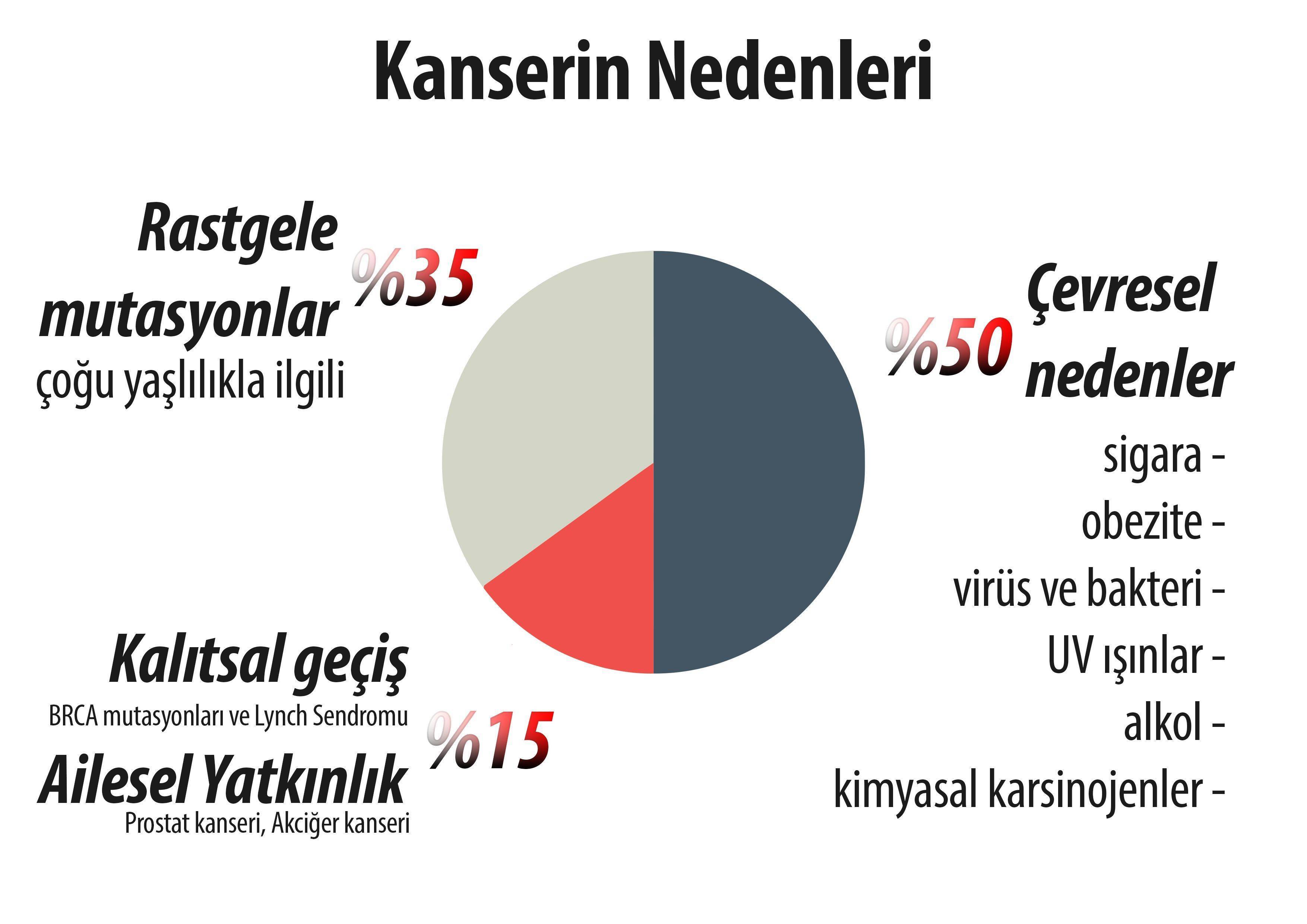
How the Body's Cells Function
The human body contains about 70 trillion cells. Roughly half are human cells, while the other half are microorganisms living in the body, collectively called the microbiota, including viruses, bacteria and fungi. Human cells vary by function, with each type helping the body work properly.
Red blood cells carry oxygen, muscle cells enable movement and nerve cells transmit signals. These functions are essential to the body's survival and operation.
How Do Normal Cells Differ from Cancer Cells?
Normal cells grow, divide and die in a cycle. They are highly organized and communicate with neighboring cells to maintain tissue structure and function. When a cell is damaged or ages, a new, healthy one replaces it.
Cancer cells, by contrast, have genetic mutations and aggressive biological behavior. This allows them to escape cellular and immune controls when they should die, forming masses or tumors that can disrupt nearby tissues and organs.
What Do Benign and Malignant Cells Mean?
Not all cells that multiply excessively and form tumors are cancerous. Growths without cancerous features are called benign tumors . They do not invade nearby tissues or spread elsewhere in the body, although their location may sometimes cause health problems.
In contrast, malignant cells , another name for cancerous tumors, can invade surrounding tissues. Metastasis is the process through which they may also spread to other parts of the body. This ability distinguishes cancer from benign growths and can be life-threatening.
Anyone who discovers a tumor or lump should consult a specialist. Early diagnosis can reduce cancer-related risks.
How Cells Become Malignant
The process of benign cells becoming malignant involves many factors, including genetics, environmental influences and lifestyle choices.
Some people inherit genes that increase cancer susceptibility. Obesity, inactivity, certain infections and lifestyle choices such as smoking or a Western-style diet (fast food and ultra-processed foods) may also contribute, as can exposure to some chemicals or radiation.
Changes in genes can occur over time, altering normal cell growth and division. This can lead to uncontrolled growth and malignancy.
Cancer Prevention
Although cancer cannot always be prevented completely, people can take several proactive steps to reduce their risk:
- Healthy lifestyle choices: A balanced diet, regular physical activity, avoiding smoking and excessive alcohol can substantially reduce cancer risk.
- Screening and early detection: Routine screening such as mammography, colonoscopy, cervical smears and low-dose lung CT for smokers can detect cancer earlier, when it is more treatable. Early diagnosis substantially improves the likelihood of successful treatment and recovery.
- Vaccination: Infections such as human papillomavirus (HPV) and hepatitis B (HBV) may cause cancer. Vaccination can substantially reduce the risks of associated cancers.
- Sun protection: Avoiding excessive sun exposure and using sunscreen may reduce skin cancer risk.
- Environmental awareness: Minimizing exposure to environmental carcinogens such as asbestos and radon can reduce particular cancer risks.
- Family history and genetic testing: Learning about a family's cancer history and having genetic testing when needed can provide valuable information about personal risk factors.
Summary
Not everyone has cancer cells. They can develop through genetic factors, certain toxin exposures and lifestyle choices. The body can control and eliminate damaged cells before they become cancerous, but it is important to distinguish benign from malignant growths or tumors.
Not all tumors are cancerous. Benign tumors do not spread elsewhere in the body. However, suspected cancer symptoms should prompt consultation with a specialist.
Reducing cancer risk involves regular checkups, a healthy lifestyle, vaccination against certain infections, and recognizing and avoiding carcinogenic environmental factors. Although complete prevention is not always possible, understanding how cells work and cancer develops, and taking preventive steps, remains important.
Sources
Was this article helpful?
Your feedback helps us improve our content.




Reader comments
Share your comment
Your name and comment are published only after administrator approval. Your email address is never shown to visitors.
Be the first to comment.