
Lung Transplantation 1963 – Treating Lung Diseases

The human lungs are a pair of spongy, air-filled organs that facilitate the exchange of oxygen from the atmosphere for carbon dioxide in the bloodstream. Air travels to the lungs through the trachea (windpipe), which leads to tubular branches called bronchi. The bronchi divide into progressively smaller branches (bronchioles), eventually becoming microscopic. The bronchioles supply microscopic air sacs called alveoli, where gas exchange actually takes place. Blood containing waste carbon dioxide travels from the heart to the lungs through the pulmonary arteries. Oxygen-rich blood returns from the lungs to the heart through the pulmonary veins.
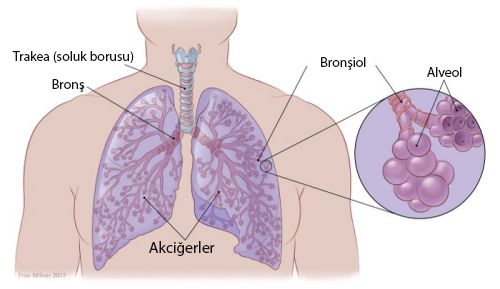
Replacing a recipient's diseased lungs with donor lungs can treat certain types of lung damage. These may include:
- Chronic obstructive pulmonary disease (COPD)
- Emphysema (destruction of the lung tissue around the alveoli, most often caused by smoking)
- Cystic fibrosis (a genetic disease that causes a buildup of thick, sticky mucus)
- Pulmonary hypertension (increased blood pressure in the lung's vascular system)
Lung transplantation through history:
- In 1963, American surgeon James Hardy performed the first lung transplant in a human, but the patient lived for only 18 days.
- In 1981, American surgeon Bruce Reitz performed a combined heart-lung transplant, bringing the two organs together.
- In 1983, American surgeon Joel Cooper performed the first successful single-lung transplant (the patient lived for seven years).
- The first successful double-lung transplant was performed in 1986.
- In 1989, surgeons determined that bilateral sequential lung transplantation, in which each lung is removed and replaced separately, produced better results.
Historical Figures Mentioned in This Article: James D. Hardy (1918–2003)
Sources
Was this article helpful?
Your feedback helps us improve our content.


Reader comments
Share your comment
Your name and comment are published only after administrator approval. Your email address is never shown to visitors.
Be the first to comment.