
Siberia's Frozen Secret: A King, 20 Kilograms of Gold, and the First Diagnosed Prostate Cancer

In this article
Day 16 (Cancer History in 365 Days Series)
A burial chamber untouched for millennia in Siberia's frozen steppes… Inside lie gold, weapons, and a king's bones.
When archaeologists opened the tomb, they found more than treasure: biological evidence that would change medical history. This powerful warrior, who lived in the 7th century BC, had died not from sword wounds but from a silent disease consuming his bones from within.
Today, using modern medical detective methods—proteomics and PSA analysis—we solve a 2700-year-old cold case. The Scythian king's story reveals cancer as an ancient part of biological existence rather than merely a feature of modern life.
From Prehistory to the Laboratory
The 700s BC
The King's End: The Scythian king died on the Tuva steppes, aged around 40-50, with pain from bone metastases.
2001
Discovery of Arzhan 2: German and Russian archaeologists found an unlooted burial mound in the "Valley of the Kings."
2007
Definitive Diagnosis: Prof. Michael Schultz isolated PSA protein in 2700-year-old bone tissue, confirming prostate cancer.
1. A Skeleton Amid Gold: The Arzhan 2 Burial Mound
The Uyuk Valley in Siberia’s Tuva Republic is legendary in archaeology. With thousands of kurgans—burial mounds—it is known as the Valley of the Kings. Most tombs had been looted centuries earlier. Until 2001…
20 Kilograms of Pure Gold
Opened through collaboration between the German Archaeological Institute and Russian colleagues, Arzhan 2 was untouched. The chamber held a royal couple buried with thousands of solid-gold ornaments totaling 20 kg, ceremonial weapons, and sacrificed horses. This wealth made the deceased's status indisputable. For scientists, however, the real treasure was the king's skeleton.
2. Making Bones Speak: A Step-by-Step Diagnosis
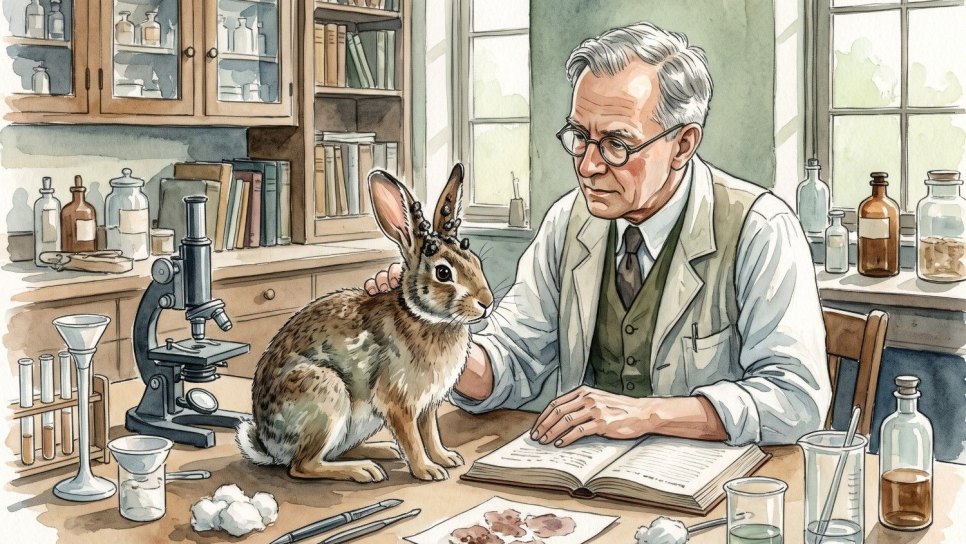
The renowned paleopathologist from the University of Göttingen, Prof. Michael Schultz, noticed strange deformations on the king's bones in the laboratory. They were not smooth but riddled with holes, as if moth-eaten. This could not be a simple infection or a sign of aging. Schultz's team used every available modern medical tool to diagnose it.
Solving a 2700-Year-Old Murder
1. Macroscopic Examination
Visible osteolytic (bone-destroying) and osteoblastic (bone-forming) lesions were found on the bone surfaces, typical signs of metastasis.
2. Histological Analysis
Microscopy showed how cancer cells had invaded and destroyed the bone's internal trabecular structure.
3. Biochemical Evidence (PSA)
This was the critical step. The team isolated proteins from 2700-year-old bone powder. Among them, the marker now routinely checked in men's blood tests, PSA (Prostate-Specific Antigen) , was positive. The diagnosis was certain: metastatic prostate cancer.
3. The Paradox of Organic Living and Cancer
The king's case challenges modern assumptions about cancer. He lived in an unindustrialized world with clean air and 100% organic, GMO-free food. As a steppe warrior, he was highly active, riding, fighting, and hunting.
Despite these healthy conditions, he could not escape his genetic fate. Analyses of his bones showed that the p14ARF tumor-suppressor gene was silenced through hypermethylation. This suggests cancer's genetic mechanisms have remained unchanged for millennia, while we have increased the factors that trigger them.
Was this article helpful?
Your feedback helps us improve our content.


Reader comments
Share your comment
Your name and comment are published only after administrator approval. Your email address is never shown to visitors.
Be the first to comment.