
What Is New in Nutrition and Diet Research – 2019?

Our eating habits play an important role in shaping our health, but much remains unknown about the ultimate effects of diet. In this section, we provide an overview of some of the latest and best nutrition research.
Here you can find specific questions and answers about which foods are best for health and which may have unexpectedly adverse effects.
Notable Nutrition Studies Published in January-February 2019
Eating is essential for life, and eating well helps us feel good, have more energy, and be more productive. But what does eating well mean? What should you eat, what should you avoid, and which dietary patterns should you choose?
Researchers are constantly working to better understand these issues and provide better nutritional advice.
New Scientific Evidence on Intermittent Fasting

Current research has shown that a person fasting for a certain number of hours and eating freely during the remaining hours— intermittent fasting—may help with weight loss and provide benefits by reducing harmful inflammation . Essentially, fasting may trigger beneficial changes by affecting metabolic processes in the body, such as stimulating weight loss.
Our bodies normally use carbohydrates for energy, but when a person fasts and becomes tired and carbohydrates are no longer available, the body starts seeking and using other sources.
Scientific Reports published a study in late January 2019 identifying metabolic changes triggered by fasting that researchers had not previously known about.
Researchers at the Okinawa Institute of Science and Technology Graduate University in Japan found that fasting increases levels of purine and pyrimidine, two organic compounds affecting gene expression and protein synthesis at the cellular level.
Researcher Dr. Takayuki Teruya “These substances are very important metabolites for preserving muscle and antioxidant activity,” explains. This means that, by raising purine and pyrimidine levels, fasting may stimulate rejuvenating processes, potentially keeping the body younger for longer.
Related Topic:
To Eat Breakfast or Not?

Other research published in February 2019 attempted to dispel long-standing myths about dietary best practices, such as breakfast being important for weight loss.
Some believe eating a morning meal stimulates metabolism, allowing more calories to burn faster. Some studies have also found an association between obesity and a tendency to skip breakfast.
However, BMJ published a study last month finding the opposite relationship. It suggests that total daily energy (calorie) intake tends to be higher in people who regularly eat breakfast.
Moreover, researchers found that people who tended to skip breakfast daily weighed less on average than breakfast eaters. However, the many studies showing harms of skipping breakfast should not be ignored. In conclusion, breakfast certainly appears essential for physical workers, but for the office workers most common in modern life, skipping it does not appear as bad for health as assumed. Avoiding excessive daily energy intake and leaving the body somewhat hungry supports health.
Related Topic:
New Scientific Evidence on the Harms of Ultra-Processed Foods

February also saw studies warning that certain dietary choices may endanger our health.
For example, JAMA Internal Medicine published research warning once again that eating ultra-processed foods may be extremely harmful. The study was conducted by experts at Sorbonne University in Paris and Avicenne Hospital in France.
Researchers explain that these foods, including ready meals and processed meats, are high in fat, sugar, and sodium (salt) but low in natural fiber.
You May Be Interested In:
This means that, although tasty, they are not nutritious and trick our stomachs into feeling full without providing the real nutrients we need. Researchers add that ultra-processed foods often contain artificial additives that may increase our exposure to various diseases.
Although experts already understood that such foods increase vulnerability to disease, their effects on overall mortality risk were uncertain. In this study, perhaps for the first time, the authors concluded that a 10 percent increase in the amount of ultra-processed food we eat leads to a 14 percent risk of death .
Related Topic:
Diet / Sugar-Free Drinks May Be Unhealthy, Contrary to Common Belief

Stroke published another study reaching some clear conclusions about consumption of artificially sweetened diet drinks . The research team was particularly interested in how diet drink consumption affects women over 50, so they analyzed data from 82 thousand women in this age category.
The analyses revealed a concerning trend: women drinking two or more diet drinks daily had a % 23 higher risk of stroke/paralysis and a 29 percent higher risk of heart attack or a similar event. Given this, we need to reconsider choosing a low-calorie soft drink as an alternative!
The Link Between Alcohol and Cancer Is Not Well Known Enough
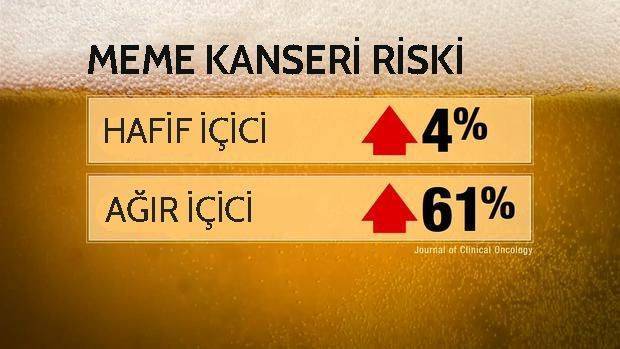
A team of scientists at Flinders University in Adelaide, Australia, turned their attention to PLOS ONE in a new study published there, addressing alcohol-related harms that many people overlook.
Australian researchers asked how aware women were that alcohol is an important breast cancer risk factor. They focused on women aged 45-64, asking how often and how much they drank and whether they knew the risks.
The results suggest low awareness of the link between alcohol and breast cancer, and women continue actively placing themselves at risk. Understanding patterns and driving forces behind drinking behavior may be very important for developing policies and interventions to reduce the growing burden on women and our healthcare system.
From all this research, we should recognize that diets should work for us, not against us, and make choices our bodies will appreciate.
Sources
Diverse metabolic reactions activated during 58-hr fasting are revealed by non-targeted metabolomic analysis of human blood.
Scientific Reports, 31 January 2019
2. Katherine Sievert ve ark.
Effect of breakfast on weight and energy intake: systematic review and meta-analysis of randomised controlled trials
BMJ, 2019
3. Laure Schnabel ve ark.
Association Between Ultraprocessed Food Consumption and Risk of Mortality Among Middle-aged Adults in France.
JAMA Intern Med. 11 February, 2019
4. Yasmin Mossavar-Rahmani ve ark.
Artificially Sweetened Beverages and Stroke, Coronary Heart Disease, and All-Cause Mortality in the Women’s Health Initiative.
Stroke, 14 February 2019
5. Samantha B. Meyer ve ark.
Alcohol and breast cancer risk: Middle-aged women’s logic and recommendations for reducing consumption in Australia.
PLOS ONE, 13 February 2019.
Was this article helpful?
Your feedback helps us improve our content.




Reader comments
Share your comment
Your name and comment are published only after administrator approval. Your email address is never shown to visitors.
Be the first to comment.