
7 ways to protect yourself from coronavirus while dining out

In this article
There is a sharp increase in coronavirus cases. We are currently trying to delay the outbreak as much as possible through intensive measures. Buying hand sanitizer or masks from local medical suppliers has become almost impossible. However, you need to continue living your life, including going out only when necessary.
To stay healthy when eating at a restaurant, preparing your own food or ordering food from outside, the virus called SARS-CoV-2 that causes COVID-19 or other germs should be avoided using certain tested precautions. As Benjamin Franklin once said, "One gram of prevention is worth one kilogram of cure".
Here are some basic, easy-to-follow tips to help you stay healthy:
1. Wash your hands

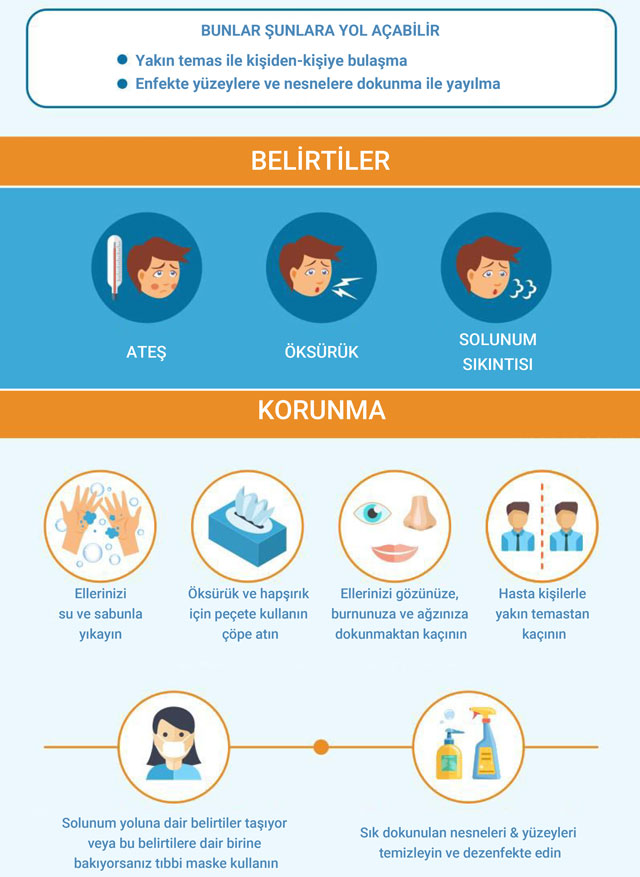
The most obvious and perhaps first precaution is to wash your hands frequently with soap for 20 seconds. Especially before starting a meal, after using the toilet, and after coughing or sneezing.
Many people are continuing to work at present. Canteens and restaurants are places where people eat in crowds. Not everyone may be as healthy as you are. You therefore need to take some responsibility. If soap and water are unavailable, use a hand sanitizer containing at least 60% alcohol. If your hands are visibly dirty, always use soap and water.
2. Avoid the buffet

What we want are protective plexiglass shields covering dishes full of food (especially the glass covers over food in hotels). They are called "sneeze guards" for a reason. However, they are nowhere near 100% safe at preventing airborne contaminants and bacteria from ultimately landing on your plate. Although COVID-19 cannot be transmitted through food, bodily fluids from an infected person may be somewhere nobody wants them.
So, should you worry about an imported product being contaminated with the virus and about eating fresh fruit or vegetables?
The United Fresh Produce Association says that the CDC (American Centers for Disease Control) and the FDA (United States Food and Drug Administration) have not yet issued a specific statement on whether the virus can be transmitted through produce such as fruit and vegetables, but there is currently no evidence to suggest that it can be transmitted.
On the other hand, the Food Safety Authority of Ireland says that coronavirus needs an animal or human to multiply and therefore cannot multiply in food.
Until there is a consensus on more definitive information, buying and eating fruit and vegetables is not a major concern at present. You can soak your fruit and vegetables in water or briefly dip them in boiling water. For produce with a skin, you can try scrubbing it with a brush under running water.
As a general food safety precaution, you should always wash your hands after handling raw meat to reduce the risk of infection.
3. Smaller crowds are ideal

Limiting contact with many people reduces the risk of coronavirus transmission. In other words, when choosing a place to eat, smaller restaurants (with fewer staff and patrons) may reduce the risk of getting sick. With this in mind, skip chain restaurants that serve hundreds of people and choose local restaurants or large, spacious restaurants instead.
So, should I worry about staff who serve food in grocery stores or restaurants?
Of course, it is advisable to choose restaurants whose cleanliness you know and trust.
According to Harvard Medical School, COVID-19 has also been detected in some people's stools. However, these viruses were found to be dead, and in this state it cannot be said that COVID-19 is transmitted through stools.
4. Check food safety ratings

60 percent of foodborne illnesses come from restaurants and are directly related to kitchen and restaurant cleanliness. It is never a bad idea to check how clean your favorite places are; you can also get an idea by looking at the reviews section on Google Maps (or through specific rating apps for different regions).
5. Feeling sick? Stay home

If you feel tired and weak, do the right thing and do not go out to eat. Cover your mouth and nose with your hand and, if necessary, your arm when you cough or sneeze. Otherwise, you can easily leave pathogens on door handles, sink taps and practically everything you touch. The best way to keep coronavirus under control is to avoid passing it on to anything other than yourself.
6. Eat in small groups

If you have to eat out, dining at a large table with a large group in a restaurant increases the likelihood that someone is sick. It may therefore be a better idea to choose a group of only 2 to 4 people. You will probably not only receive better service but also improve your chances of staying healthy.
7. Do not believe false information

Common sense is key to preventing coronavirus, yet many persistent stories surround the pandemic. There is no specific food or brand that can keep you particularly safe. You should maintain your immune system through a balanced and adequate diet.
As the world deals with the dangers of this global outbreak, an overwhelming number of dubious treatment solutions have also emerged (the truth is that common sense and thorough handwashing are the best approaches to avoiding COVID-19, and there is as yet no known treatment specific to this disease). In response, the United States Federal Trade Commission and the Food and Drug Administration (FDA) issued seven joint warning notices. According to this warning, methods such as drinkable silver, essential oils, drinking bleach, drinking water every 15 minutes, herbal treatment (traditional Chinese herbs or cannabis) or garlic soup should be avoided.
Humans have never encountered this virus before, and our immune system has no internal defenses against it. Enormous efforts are being made worldwide to understand the molecular and clinical virology of this virus. An incredible amount of molecular information about this virus's genomics, structure and virulence has already been obtained. However, this information is not yet sufficient to protect us or limit the infection within us.
Related topic
Breaking news about coronavirus – The situation in the world and Turkey



Sources
7 Ways to Protect Yourself from Coronavirus While Dining Out.
eatthis.com/coronavirus-eating-out/ 4 March 2020
Was this article helpful?
Your feedback helps us improve our content.


Reader comments
Share your comment
Your name and comment are published only after administrator approval. Your email address is never shown to visitors.
Be the first to comment.