
A New Generation of Nanoparticles Linked to Cancer and Alzheimer's Discovered

Cells use carrier molecules to communicate with other cells and carry out vital functions. We can think of these molecules as cargo packages. The larger packages covered with a lipid membrane are called exosomes, while the smaller ones are called exomeres. These packages are known to be associated with many diseases.
A New Nanoparticle: the Supermere
In January 2022, Nature Cell Biology published a study discovering a new nanoparticle containing many enzymes, proteins and RNA and associated with many types of disease. This nanoparticle was named the supermere.
Nanoparticle (NP), or nanograin (NT), refers to particles measuring 1 – 100 nanometers (one millionth to one part in 10 thousand of a meter). Nanoparticles are the subject of nanotechnology, a scientific field with wide applications in medicine, biomedicine, physics, chemistry, electronics and energy production.
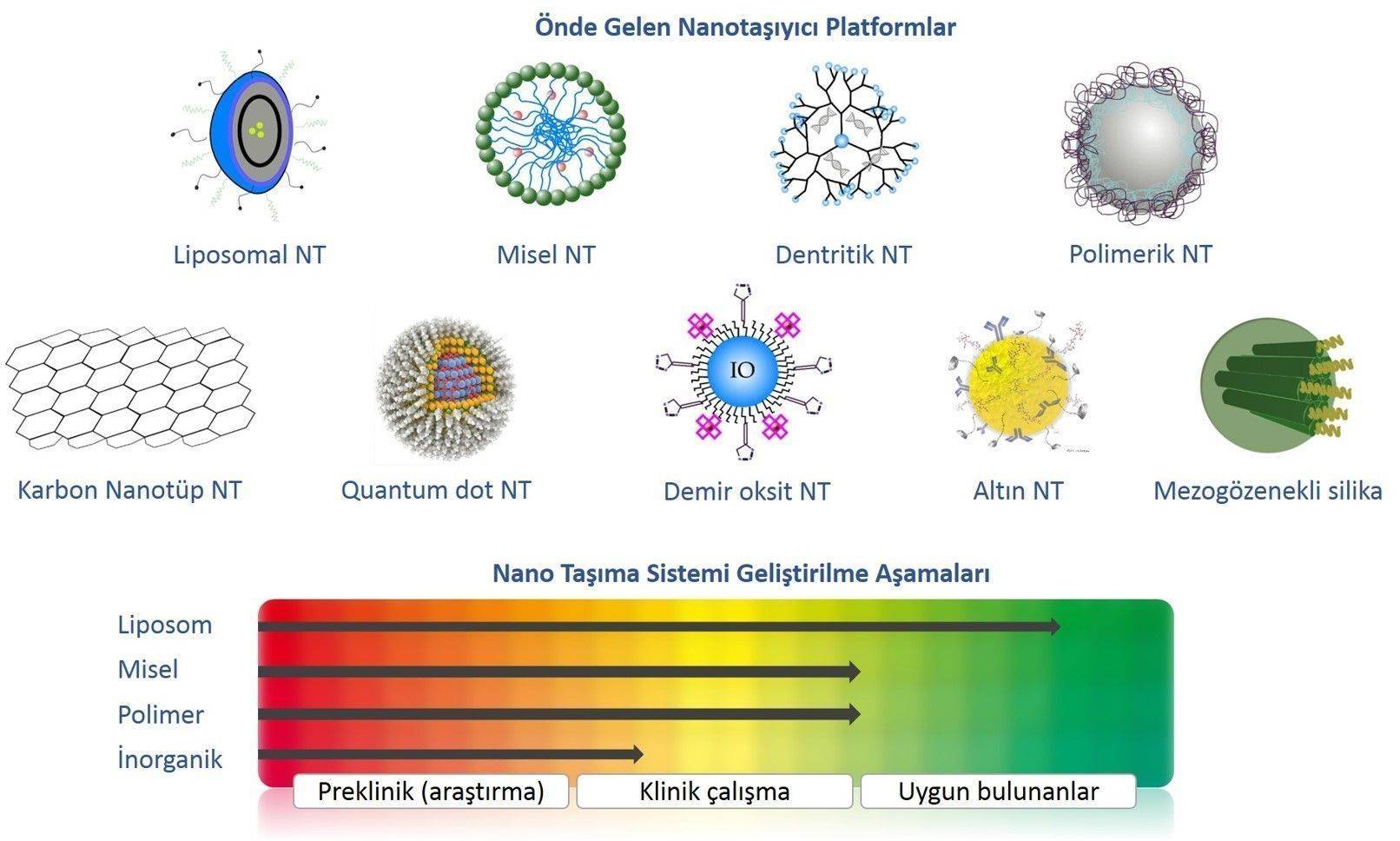
Supermere nanoparticles contain many molecules associated with cancer, heart disease, Alzheimer's and COVID-19. Supermeres were previously thought to be exosomes. However, these nanoparticles were discovered using a different technique in the study.
Supermeres were found to carry molecules associated with different diseases. For example:
- A protein called TGFBI is carried by supermeres. This protein supports tumor growth. TGFBI is also thought to be a potentially important biomarker in colorectal (large bowel) cancer.
- Another molecule is the ACE2 receptor. This receptor plays a role in heart disease and COVID-19. SARS-CoV-2 infects cells by binding to the ACE2 receptor. In this context, the aim is to prevent infection by using supermeres as a “trap” for the virus.
- The APP protein plays a role in the development of Alzheimer's disease. Supermeres can cross the blood-brain barrier. In this context, supermere analysis could enable early diagnosis and targeted treatments.
What Does This Study Mean for Us?
- Identifying these bioactive molecules may enable the discovery of a new generation of biomarkers.
- Metabolomic analysis of molecules containing supermeres may allow early cancer diagnosis.
Sources
Was this article helpful?
Your feedback helps us improve our content.




Reader comments
Share your comment
Your name and comment are published only after administrator approval. Your email address is never shown to visitors.
Be the first to comment.