
What Are the Benefits of Pineapple? What Is It Good For?

In this article
Pineapple (Ananas comosus) is a tropical fruit grown in warm climates. Besides being delicious, it is valuable for health because it is rich in vitamins, minerals, and special enzymes. It is particularly notable for its high content of vitamin C, manganese , and the enzyme bromelain . Its benefits range from supporting immunity and digestion to reducing inflammation and accelerating wound healing. According to scientific research, regular consumption may support immunity, lower certain disease risks, and aid postoperative recovery. The following sections discuss its nutritional value, health benefits, and common questions alongside their scientific basis.
Nutritional Value and Vitamin Content of Pineapple
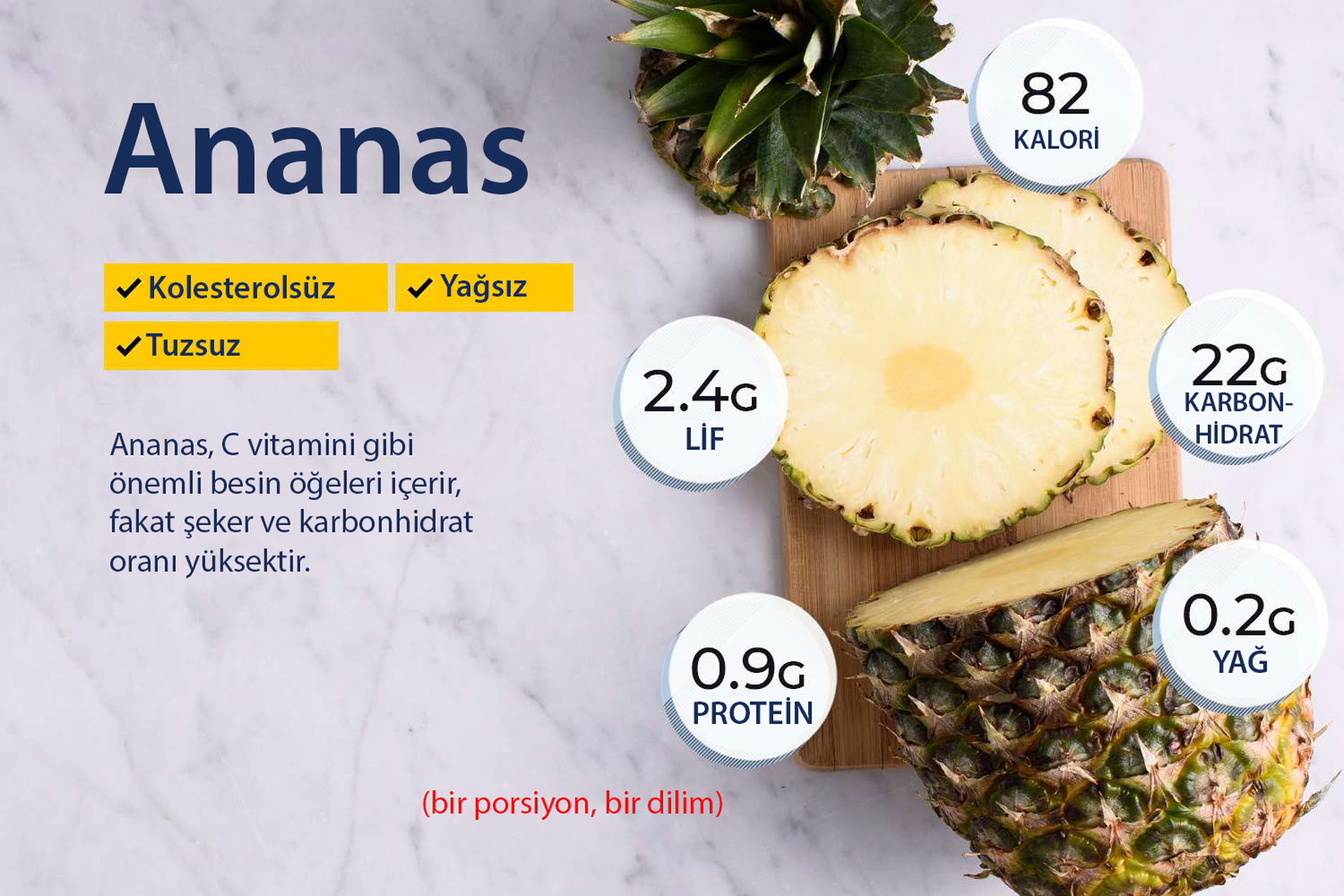
100 grams of fresh pineapple provide approximately 50 calories and contain 13 g of carbohydrate, 1.4 g of fiber, 0.5 g of protein , and negligible fat. Pineapple is nutritious, particularly rich in vitamin C and the mineral manganese . 100 grams can provide more than half the daily vitamin C requirement (approximately 47–50 mg) and around 40% of manganese needs. It also contains small amounts of B vitamins (particularly B1, thiamine , and B6), copper, potassium, magnesium , and iron . Its dietary fiber benefits digestion, and it has a high water content. The enzyme bromelain , an important component characteristic of pineapple, also contributes to its health effects.
| Nutrient (100 g) | Amount |
|---|---|
| Calories | ~50 kcal |
| Carbohydrate | 13.1 g |
| • Sugar | ~9.9 g |
| Dietary fiber | 1.4 g |
| Protein | 0.5 g |
| Fat | 0.1 g |
| Vitamin C | 47.8 mg |
| Manganese | 0.93 mg |
| Vitamin B1 (Thiamine) | 0.08 mg |
| Vitamin B6 | 0.11 mg |
| Copper | 0.11 mg |
| Potassium | 109 mg |
Table 1: Approximate nutritional value of pineapple (per 100 grams of fresh fruit). Pineapple contains no cholesterol and is low in sodium. Its vitamins and minerals, particularly vitamin C and manganese, are noteworthy. High vitamin C provides strong antioxidant activity, protecting cells and supporting immunity. Manganese is needed for enzyme function and bone development. A cup of pineapple (165 g) contains ~2.6 mg of manganese, contributing to strong bones and connective tissue. Pineapple also provides appreciable vitamin B1 (thiamine), which is essential for energy metabolism.
Health Benefits of Pineapple
Some of pineapple's benefits for general health include:
- May strengthen the immune system. Its high vitamin C and antioxidant content increases the body's resistance to infections.
- Helps digestion. Bromelain breaks down proteins to aid digestion, while fiber supports intestinal health.
- Has strong antioxidant properties. Its flavonoids, phenolic compounds , and vitamin C protect the body against oxidative stress.
- Reduces inflammation. Bromelain's anti-inflammatory effects help relieve swelling and pain.
- Supports cardiovascular health. It may help improve circulation, reduce clot formation, and balance cholesterol.
- Benefits bone and joint health. Manganese strengthens bones, while bromelain may reduce joint inflammation.
- Helps weight management. Its low calorie and fiber content provide fullness and support healthy weight loss.
- Supports skin and eye health. Vitamin C benefits the skin by supporting collagen production, while antioxidants may protect against macular degeneration.
These points summarize the main benefits. Let us examine them more closely with scientific explanations:
Strengthens Immunity and Protects Against Infection
Pineapple is among the foods that support immunity. Its rich vitamin C content strengthens the body's defenses against infections. Vitamin C is essential for immune cell function. Even 100 grams of pineapple provides more than half the daily vitamin C requirement, so eating it regularly may help improve resistance to illnesses such as the common cold. Pineapple or its juice has traditionally been used to relieve respiratory symptoms such as flu and cough and other respiratory problems. Modern research also suggests that the bromelain enzyme found in pineapple may have mucus-thinning and cough-suppressing properties. Bromelain supplements, for example, have been observed to reduce nasal congestion and ease breathing in people with sinusitis or bronchitis. More scientific evidence is needed, however, before pineapple juice alone can be called a miracle cough remedy. Eating pineapple or drinking fresh juice may nevertheless help the body fight infection and shorten colds by supporting immune cells and reducing inflammation.
Pineapple's antioxidant and anti-inflammatory components also benefit immunity. Although bromelain does not directly kill microbes, it balances the inflammatory response and may calm excessive reactions to viruses and bacteria. Some studies also suggest that bromelain may enhance antibiotic effectiveness and speed recovery from infections such as sinusitis, bronchitis, and pneumonia . Allergy symptom relief has also been reported, including reduced runny nose or nasal congestion in seasonal allergies. Pineapple is therefore an immune-supporting fruit, naturally supplying vitamins and enzymes important in protection against disease.
Digestive Benefits
One of the best-known benefits of pineapple is helping digestion. Bromelain is a proteolytic, or protein-digesting, enzyme that breaks proteins into smaller pieces in the stomach. This facilitates the digestion of heavy protein foods such as meat, reducing indigestion and bloating . Pineapple is also known to tenderize meat in marinades, as bromelain breaks down proteins before cooking.
Bromelain may have other beneficial effects on the stomach. Animal experiments suggest that supplementation may protect the stomach lining and have the potential to heal ulcers . This suggests pineapple might offer support in problems such as stomach ulcers or gastritis. Its antioxidants may also reduce inflammation that irritates the stomach and thereby relieve gastritis-like conditions.
Another reason pineapple benefits digestion is its dietary fiber . Fiber regulates bowel movements and keeps food moving through the intestines at a healthy pace. Approximately ~10-15% of a medium pineapple consists of fiber, making an important contribution to daily requirements. Adequate fiber prevents constipation and supports intestinal health. Fiber-rich fruits such as pineapple also benefit the balance of helpful gut bacteria and promote regular digestive function.
In summary, pineapple benefits both the stomach and intestines. A slice after a meal may make digestion more comfortable. People with sensitive stomachs also generally benefit from moderate amounts of ripe pineapple. Remember that its high acidity may cause heartburn in some sensitive people when consumed excessively.
Strong Antioxidant Properties
Pineapple is a fruit with high antioxidant capacity . It contains abundant vitamin C and plant antioxidant compounds. In particular, flavonoids and phenolic acids are types of antioxidants identified in pineapple. They neutralize molecules produced in the body by metabolism and environmental factors, known as free radicals . Free radicals damage cells and cause oxidative stress , which can trigger chronic inflammation and contribute over time to diseases such as cancer, diabetes, and heart disease. Pineapple helps replenish antioxidant reserves and reduce oxidative stress.
Experimental studies have shown that pineapple's antioxidant effects may protect heart health . In one animal study, antioxidants in pineapple extract protected heart tissue against damage. By reducing arterial plaque formation and inflammation, antioxidants may also lower the risk of atherosclerosis and heart attack . Antioxidants such as vitamin C, vitamin E, and beta-carotene work together to prevent LDL cholesterol from damaging arterial walls and improve circulation. Pineapple antioxidants have even been identified in “bound antioxidant” form, which allows them to act longer in the body.
Reduces Inflammation and Supports Recovery
Inflammation is the body's natural response to stress or infection, but when chronic it can contribute to problems ranging from joint pain to heart disease. Through bromelain, pineapple is considered a natural anti-inflammatory food. Bromelain suppresses certain molecules involved in inflammatory reactions, helping relieve swelling and pain. Its beneficial effects have been studied particularly in people with arthritis (joint inflammation). Bromelain supplements in people with osteoarthritis have been associated with reduced joint pain and improved mobility. A 2020 clinical study even reported that bromelain-containing enzyme supplements relieved lower-back osteoarthritis pain as effectively as conventional painkillers. This striking finding highlights bromelain's potential as a powerful natural anti-inflammatory.
Pineapple may also help with localized inflammation after intense exercise or surgery. Research suggests that eating pineapple or taking bromelain may reduce post-exercise muscle pain and swelling . One reason is that bromelain helps remove lactic acid accumulated in muscles during exercise more quickly. After surgery, it may similarly accelerate recovery by reducing swelling and bruising around the operated area. Most of these effects, however, have been seen with high-dose supplements; eating ordinary amounts of pineapple may provide similar but milder benefits.
Another property of bromelain is accelerating tissue repair and supporting wound healing. The enzyme clears dead cells and fibrin deposits from damaged tissue, helping wounds heal. It is therefore included in some burn ointments or postoperative supplements. Pineapple's vitamin C provides an additional contribution: it is required for collagen production and plays a key role in new tissue formation. Pineapple thus supports the body's healing mechanisms both internally and externally.
Bromelain may also have some antibacterial effects. Laboratory studies suggest it may inhibit excessive growth of harmful intestinal bacteria such as E. coli . Findings also suggest it may reduce dental plaque and gum inflammation. Helping relieve bad breath is even among pineapple juice's traditionally recognized benefits. In these ways, pineapple has anti-inflammatory, healing, and cleansing effects in the body.
Supports Cardiovascular Health
Fruit generally benefits heart health, but pineapple is particularly noteworthy. Its antioxidants and vitamins help protect the heart and blood vessels. Its abundant vitamin C reduces arterial plaque buildup and prevents cellular damage, helping lower heart disease risk . Vitamin C neutralizes free radicals and prevents LDL (bad) cholesterol from damaging arterial walls, reducing the risk of atherosclerosis and high blood pressure.
Bromelain also has notable cardiovascular effects. Research suggests that its blood-thinning action may reduce clotting . Preventing clots is important for lowering stroke and heart attack risk. Bromelain may even relieve the chronic cough caused by certain ACE inhibitors used for high blood pressure. These findings suggest several benefits for blood vessels and circulation. Like aspirin, eating pineapple may improve blood fluidity and circulation, increasing oxygen delivery to the heart. This does not mean replacing any medicine with pineapple, but it may offer support.
Pineapple's potassium also benefits heart health. Potassium helps balance blood pressure; unlike sodium, it dilates blood vessels and helps lower high blood pressure. A serving provides approximately 200 mg of potassium and very little sodium, making it heart-friendly. A low-sodium, high-potassium diet supports blood pressure control in people with hypertension.
Finally, pineapple's antioxidants protect the heart indirectly by helping repair tissue damaged by chronic stress or inflammation. For example, the beta-carotene and vitamin C obtained from pineapple may help reduce the risk of age-related atherosclerosis and heart failure . Adding fruit such as pineapple to your diet is therefore one enjoyable, healthy step toward protecting your heart.
Benefits for Bone and Joint Health
Pineapple also contains nutrients useful for bones and joints. As noted above, manganese is required for healthy bone development and maintenance. A single cup of pineapple can provide much of the daily requirement. Manganese helps mineralize bone tissue, produce new bone cells, and form connective tissue. Pineapple may therefore support bone development in childhood and adolescence and preserve bone density in adulthood. Some studies find a lower osteoporosis risk in people with higher manganese intake.
Pineapple's vitamin C also supports bones and joints. It is essential for collagen synthesis; collagen is part of the bone matrix and the main structural component of joint cartilage. Adequate vitamin C helps maintain joint flexibility and bone strength. Its antioxidant effects also reduce accumulated oxidative damage in joints, helping lower osteoarthritis risk. Besides its effects on heart disease, vitamin C has been reported to relieve joint pain as well.
Pineapple is particularly recommended for people with joint inflammation (arthritis) . As discussed earlier, bromelain's anti-inflammatory and analgesic properties may ease arthritis symptoms. Studies in people with knee or lower-back osteoarthritis have found reduced joint swelling and improved mobility with bromelain. It is even being studied as a natural alternative to long-term anti-inflammatory medicines. People with these conditions may try adding pineapple to obtain bromelain naturally, while consulting their doctor about any supplement or dietary change.
Pineapple is therefore a useful fruit for strong bones and healthy joints. Its manganese and vitamins make it a valuable dietary addition for people seeking to prevent osteoporosis or experiencing joint problems.
Effects on Weight Management and Metabolism
Pineapple is one of the fruits that first comes to mind in weight-loss diets. For people trying to lose weight , it can be a suitable snack or dessert alternative. First, pineapple is a low-calorie fruit, providing only ~50 kcal per 100 grams. Despite its sweetness, its low calorie content means that a few slices instead of sugary snacks provide far fewer calories when cravings arise. This benefits daily calorie balance.
Another contribution to weight management is its fiber content. Fiber takes up space in the stomach and creates fullness. Pineapple fiber retains water and swells, helping you stay full longer and avoid unnecessary snacks or overeating. Its high water content also occupies space without adding calories. Together, high water + fiber make it a filling food by volume.
Pineapple may also favorably influence metabolic rate. Manganese and B vitamins act as cofactors in energy metabolism and support energy-burning capacity. Bromelain may indirectly improve metabolic efficiency by easing digestion. Although some sources suggest an effect on fat cells, clear scientific evidence remains limited.
Animal studies have investigated pineapple's effects on weight gain. In one study, mice eating a high-fat diet received pineapple daily and gained less weight over time than controls. This suggests it may slow fat accumulation. However, there is insufficient evidence to claim a direct fat-burning or weight-loss effect in humans. Pineapple can nevertheless support a healthy weight-loss diet. Satisfying sweet cravings and making lower-calorie eating easier are valuable contributions in themselves.
In summary, pineapple is suitable for a weight-loss diet . Although not a miracle on its own, it can facilitate weight management alongside healthy eating and exercise. Adding it to your diet satisfies sweet cravings in a healthier way while providing vitamins.
Benefits for Skin and Eye Health
Pineapple's benefits extend beyond internal organs to the skin and eyes . It is rich in vitamin C, one of the most important vitamins for skin. Vitamin C stimulates collagen synthesis. Collagen is the main protein responsible for elasticity and a youthful appearance. Adequate vitamin C allows the body to produce more collagen, making skin firmer, smoother, and more resistant to wounds. Pineapple helps meet daily vitamin C needs and contributes to healthy, radiant-looking skin . It supports skin care from within. Some spas and treatment centers even use pineapple masks and exfoliants because its enzymes and vitamins revitalize the skin: bromelain removes dead skin, while vitamin C has antioxidant effects.
Pineapple's antioxidants also protect the skin against premature aging . Sunlight, pollution, and stress generate free radicals in skin cells, leading to wrinkles and dark spots. Vitamin C and other antioxidants neutralize these radicals and reduce damage. Regular consumption may therefore be associated with fewer wrinkles and skin spots, although such effects require consistent long-term intake.
For eye health , pineapple is also recommended. Its high vitamin C content and antioxidants such as beta-carotene may protect against age-related eye disorders, particularly macular degeneration (age-related macular disease) and cataracts . A study found a lower likelihood of macular degeneration among people eating vitamin-C-rich fruit. Pineapple's beta-carotene, a precursor of vitamin A, is important for retinal health and helps preserve visual acuity. Some findings also suggest that bromelain balances intraocular pressure and might reduce glaucoma risk, although more research is needed.
Pineapple's vitamins and antioxidants therefore also benefit healthier skin and sharper vision . Eating a few slices daily can be a delicious habit supporting appearance and eye health.
Frequently Asked Questions
Is Pineapple Good for the Stomach?
Yes. Pineapple is particularly beneficial for digestion. Bromelain breaks down proteins reaching the stomach and makes them easier to digest, helping reduce bloating, gas, and indigestion. Fiber also regulates bowel movements and prevents constipation. However, excessive pineapple consumption or unripe fruit may irritate some people's stomachs. For a sensitive stomach, moderate amounts such as a few slices daily are generally enough. Too much may cause heartburn because of its acidity, so moderation is recommended.
Does Pineapple Help With Weight Loss?
Although not a “fat burner” on its own, pineapple can support weight loss. Low in calories and high in fiber, it satisfies sweet cravings without adding excess calories. Fiber occupies stomach space and promotes fullness, potentially reducing hunger. Pineapple also contains vitamins and minerals, such as B vitamins and manganese, that help speed metabolism. As a healthy snack or dessert alternative, it may help with weight management . Pineapple does not cause weight loss by itself, but supports it as part of a balanced diet.
Is Pineapple Juice Beneficial?
Like fresh pineapple, its juice provides vitamins and enzymes, particularly vitamin C and bromelain. Drinking it may therefore also support immunity and digestion. However, juice without pulp contains no fiber and may raise blood sugar faster than whole fruit. Fresh fruit is generally more filling and produces a more balanced blood sugar response because it supplies fiber. Portion control matters with juice: the sugar from several slices can fit into a single glass. In moderation, however, it remains a healthy drink choice. Prefer fresh juice without added sugar. Because bromelain is found mainly in the hard central core, try including this part when juicing to benefit from the enzyme.
What Conditions Can Pineapple Help With?
Although not directly a medicine, pineapple can offer protection or symptom relief in various conditions. During colds or flu, its vitamin C and bromelain may support immunity , shorten recovery, and relieve symptoms such as cough and phlegm. In sinusitis and bronchitis , bromelain may thin mucus and provide relief, which is why pineapple juice is traditionally recommended for these respiratory problems. In osteoarthritis , pineapple may help reduce joint pain and inflammation through bromelain. For indigestion, bloating, and IBS (irritable bowel syndrome), pineapple is known to help by supporting digestive enzymes in the stomach. In high blood pressure , potassium and antioxidants may support blood vessel health and help balance pressure. Against eye diseases such as macular degeneration and cataracts , its vitamins offer protective effects. Its enzymes and nutrients may also have indirect benefits in many other situations, including sports injuries, postoperative recovery, allergies, and urinary tract infections. Pineapple therefore supports the body across conditions ranging from colds and joint disorders to digestive and skin problems.
What Vitamins Does Pineapple Contain?
Pineapple is most notable for vitamin C , which is essential for immunity and skin health. It is also a reasonably good source of B vitamins, including B1 (thiamine) and B6 (pyridoxine) . It contains small amounts of folate (B9) as well. Vitamin A content is not particularly high, but its beta-carotene converts to vitamin A in the body and supports eye health. Among minerals, pineapple is especially rich in manganese , providing an important part of daily requirements. Copper is also present and benefits red blood cell production and immunity. Smaller amounts of other minerals include potassium, magnesium, iron in smaller amounts. In summary, pineapple's C, B1, and B6 vitamins and manganese, potassium, and copper minerals make it a nutritious fruit providing a wide range of vitamins and minerals. It also contains the enzyme characteristic of pineapple, bromelain , giving it a distinctive nutritional profile.
Does Pineapple Have Side Effects or Risks?
Pineapple is generally safe and harmless for most people, but excessive consumption should be avoided. Too much may cause tingling, burning of the tongue, or mouth irritation . This is a temporary effect of bromelain and is not serious. Sensitive people or those eating large amounts on an empty stomach may experience nausea or stomach discomfort . Unripe pineapple can even cause severe stomach pain and diarrhea because of its harsh enzymes, so always choose ripe, sweet fruit. Although pineapple allergy is rare, people prone to allergies may develop reactions such as swelling of the lips, tongue, or throat. Anyone allergic to pineapple should avoid it completely. Because bromelain has blood-thinning effects, people taking blood-thinning medicines should consult their doctor before consuming large amounts of pineapple or bromelain supplements. People with diabetes should also watch portions because this sweet fruit can raise blood sugar when eaten excessively. In moderation, side effects are generally minimal. One serving, or a few slices, daily is safe for most people, with benefits far outweighing potential harms.
Conclusion
Besides offering a delicious tropical flavor, pineapple is a true storehouse of health benefits for the body. Its nutrients strengthen immunity and support digestion, while its antioxidant and anti-inflammatory properties help protect against chronic disease. Scientific research recommends eating it fresh to obtain the most benefit from pineapple and bromelain. Adding it regularly to your diet allows you to enjoy these benefits. Remember that variety is essential: eating pineapple alongside other fruit and vegetables in a balanced diet supports long-term health. Enjoy, and stay healthy!
Was this article helpful?
Your feedback helps us improve our content.




Reader comments
Share your comment
Your name and comment are published only after administrator approval. Your email address is never shown to visitors.
Be the first to comment.