
What Causes a Stomach Bug? Symptoms and Treatment

In this article
A stomach bug (medically called viral gastroenteritis) is an infection of the stomach and intestines, commonly known as stomach flu. It generally causes watery diarrhea, stomach cramps, nausea, vomiting, and a mild fever . Particularly common in winter and communal settings, it usually resolves on its own within a few days. However, managing symptoms, preventing dehydration (fluid loss) , and seeking medical help when necessary are important. This article provides detailed information about the causes of stomach bugs, symptoms and treatment options , and answers common questions.
What Is a Stomach Bug?
A stomach bug is a digestive illness resulting from infection of the stomach and intestines, called viral gastroenteritis . Viruses targeting the small intestine cause inflammation in the digestive tract. Despite the colloquial idea of catching a chill, the problem is usually a contagious viral infection. Diarrhea is the most common symptom, typically accompanied by abdominal pain, nausea, vomiting, and a mild fever. Most healthy people recover within a few days without lasting effects. Babies, older adults, and people with weakened immunity need close monitoring because the illness may be more severe.
What Causes a Stomach Bug?
The main cause is a contagious gastrointestinal infection caused by viruses. The most common include norovirus and rotavirus . These viruses can enter the body and cause a stomach bug through the following routes:
- Contaminated food and water: Consuming contaminated food or drinks is the most common transmission route. Viruses may be acquired from inadequately washed vegetables, contaminated drinking water, or improperly stored food.
- Person-to-person contact: Close contact with someone who is ill or sharing utensils, cups, or towels can spread the virus. In communal settings such as nurseries, schools, or care homes, infection can spread rapidly.
- Poor hygiene: Viruses may enter the mouth when hands are not washed after using the toilet or general hygiene practices are neglected. Hand hygiene is therefore crucial for reducing risk.
- Weakened immunity: People with weakened immune systems, such as those with chronic illnesses or receiving chemotherapy, are more susceptible to viral infections and may develop stomach bugs more easily.
- Cold and environmental factors: Sudden weather changes, very cold food or drinks, or chilling the abdominal area are commonly thought to cause stomach bugs. Cold exposure does not directly cause infection, but it may lower the body's defenses and make viral effects more likely. Sudden cold may also cause stomach contractions, temporary cramps, and indigestion.
Are Stomach Bugs Contagious? Yes, viral gastroenteritis is highly contagious. A person may spread the virus from a day before symptoms appear, throughout the illness, and for several days after symptoms improve. If someone in the household has a stomach bug, other family members should therefore take extra care with hygiene.
Symptoms of a Stomach Bug
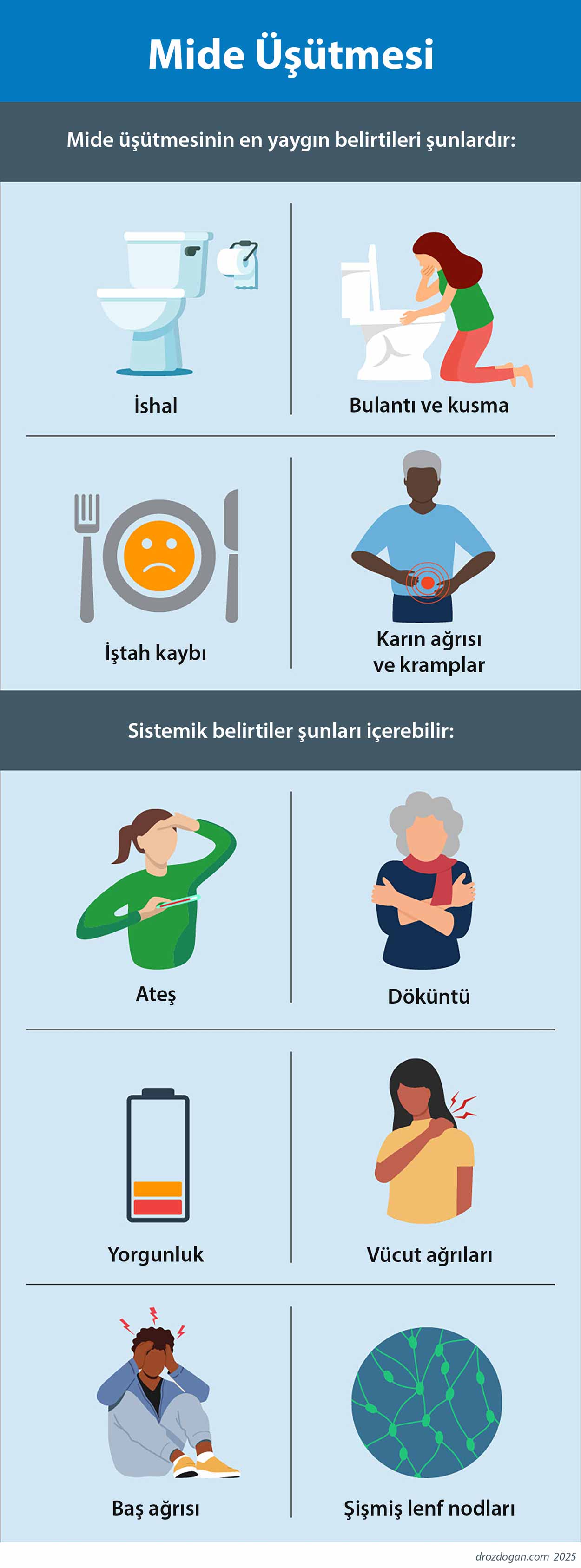
Symptoms generally begin 12-48 hours after exposure and appear suddenly. They may be mild or severe and usually improve within a few days. The most common symptoms include:
- Diarrhea: Frequent, watery stools are the most typical symptom. Diarrhea can cause rapid fluid loss.
- Nausea and vomiting: Sudden nausea and repeated vomiting are common. Vomiting is generally most intense during the first 1-2 days.
- Abdominal pain and cramps: Cramping pain may occur in the stomach or abdomen. Some people also experience gas pain and bloating.
- Fever: A mild fever, generally 37-38°C, and chills may occur. High fever is uncommon but may exceed 38°C in some cases.
- General weakness: Reduced physical resilience may cause a general feeling of illness, including fatigue, muscle aches, and headaches.
Symptoms usually last 1-3 days and disappear on their own. In some situations, particularly rotavirus infection, diarrhea may last up to 7-10 days. Symptoms can resemble food poisoning or other gastrointestinal conditions, so attention should be paid to the serious signs below.
When Should You See a Doctor for a Stomach Bug?
Although most cases improve with rest and fluids at home, certain symptoms mean medical attention is necessary:
- Severe or prolonged vomiting: If vomiting lasts longer than 2 days or nothing stays down, medical support is needed.
- High fever: A fever above 38.5°C, particularly one exceeding 40°C may indicate a serious infection.
- Bloody diarrhea or vomit: Blood in the stool or coffee-ground-like vomit, a sign of bleeding, requires prompt medical attention.
- Severe abdominal pain: Mild cramps are normal, but unbearable pain or pain worsening with pressure on the abdomen requires investigation of other causes.
- Signs of dehydration: Excessive fluid loss may cause dry mouth, dry skin, reduced urination, dark urine, severe weakness, and dizziness . In babies, a dry diaper for longer than 6 hours, no tears when crying, a sunken soft spot, and unusual drowsiness indicate serious dehydration. These situations may require urgent fluid replacement.
The signs above apply to children and adults. In particular, babies and young children can become dehydrated quickly. A child with a high fever above 38.9°C or prolonged vomiting and diarrhea therefore needs medical assessment. Similarly, pregnant women with severe vomiting or diarrhea should seek medical support for their own and their baby's health.
Treatment for a Stomach Bug
A specific antiviral treatment is generally not available. Treatment aims to replace lost fluids and electrolytes, relieve symptoms, and support the body in fighting the virus. Most cases can be managed with simple measures at home. Plenty of rest and appropriate nutritionspeed recovery.
Home Treatment and Helpful Measures
- Increase fluid intake: Replacing fluids lost through vomiting and diarrhea is vital. Water, herbal teas such as mint, chamomile, or ginger, electrolyte solutions, and light salty soups may be chosen. In particular, ginger and mint tea are effective at calming nausea. Try taking frequent small sips. Small amounts taken regularly, rather than a large quantity at once, help prevent vomiting.
- Eat lightly: Even if you have little appetite, do not stop eating entirely. The BRAT diet — bananas, rice, applesauce, and toast — may be suitable. Salted crackers, boiled potatoes, carrots, rice porridge, and low-fat soup are easily digested foods that provide energy without straining the stomach. Bananas and potatoes also provide potassium to support electrolyte balance. Once vomiting decreases, small amounts of yogurt or probiotic supplements may support intestinal flora.
- Rest: Rest and sleep help the body fight infection. Reduce physical activity and, if possible, stay home and allow time to recover. Avoiding work or school, particularly during the first 1-2 days, helps both recovery and prevention of transmission.
- Apply warmth: A hot-water bottle or warm towel on the abdomen may relieve stomach cramps. Heat eases muscle spasms and pain and provides comfort. Keeping the feet warm may also improve comfort.
The table below summarizes recommended measures and things to avoid during a stomach bug:
| Recommended Measures | Things to Avoid |
|---|---|
| Drink plenty of water and fluids such as water, herbal tea, or diluted fruit juice | Caffeinated and carbonated drinks, alcohol (may irritate the stomach) |
| Eat light, low-fat foods such as bananas, rice, boiled potatoes, toast, and crackers | Very fatty, spicy or acidic foods, such as fried foods, hot sauces, and citrus fruit |
| Small, frequent meals, with food chewed thoroughly | Large portions eaten quickly (strain the stomach) |
| Rest and sufficient sleep (help the body recover) | During illness, strenuous exercise (overexerts the body) |
| Frequent handwashingand separate towels (prevent transmission) | Neglecting hygiene or, when ill, sharing personal items (may spread the virus) |
The items to avoid listed above may irritate the stomach and worsen symptoms. Milk and dairy products may be poorly tolerated during diarrhea because temporary lactose intolerance can develop, so milk, cheese, and cream may need to be avoided for a few days. Caffeinated drinks such as coffee, black tea, and cola may increase stomach acid and irritation and worsen fluid loss through their diuretic effects.
If there is no noticeable improvement within 1-2 days of home care, or severe symptoms persist, consult a doctor. Under medical supervision, the following treatments may be used depending on severity:
- Fluid and electrolyte replacement: Patients unable to drink because of severe vomiting or diarrhea may receive intravenous (IV) fluids in hospital. This also replaces lost salts and minerals.
- Medications: Antibiotics have no role in viral gastroenteritis because they do not work against viruses. Symptom-relieving medications may be used when necessary. For example, persistent vomiting may be treated with antiemetic (anti-nausea) medications, while very frequent diarrhea may warrant antidiarrheal agents for a short period. For high fever and pain, paracetamol or similar fever-reducing and pain-relieving medications are preferred. Aspirin is not recommended for children. These medications must be used on medical advice and according to the package instructions.
- Probiotics: Probiotic support, such as yogurt, kefir, or pharmacy products, may speed recovery by balancing intestinal flora, particularly in children or after antibiotic use.
- Medical observation: Babies, older adults, or pregnant patients may be observed in hospital. In severe cases, blood or stool tests may occasionally be performed to investigate a different infection. If a bacterium such as E. coli, Salmonellacauses gastroenteritis, appropriate antibiotic treatment may be considered.
How Can Stomach Bugs Be Prevented?
Prevention requires measures to block transmission routes . The main precautions include:
- Maintain hand hygiene: Especially after using the toilet and before preparing or eating food, wash your hands with soap. Frequent handwashing is the most effective way to prevent viral spread.
- Food hygiene and safety: Wash vegetables and fruit thoroughly and cook meat and seafood fully at appropriate temperatures. Avoid exposed street foods or undercooked food. Refrigerate food carefully, particularly in summer.
- Drink clean water: Use trusted drinking water sources. Do not drink questionable water, particularly well water or water thought not to be sterile; boil it if necessary. When drinking iced beverages away from home, ensure the ice was made with clean water.
- Take care with shared items: If someone at home has a stomach bug, use separate cups, plates, and towels whenever possible. Clean surfaces such as kitchen counters, door handles, and sinks with disinfectants such as bleach.
- Precautions in communal settings: If there is an outbreak at a school, nursery, or care home, keep children home if necessary. Someone who is ill should not attend work or school until symptoms have ended.
- Rotavirus vaccination: To protect babies against rotavirus, which causes severe diarrhea and vomiting, vaccinationaccording to the routine schedule substantially reduces stomach bug risk.
- General health and immunity: Support your immune system with a balanced diet, enough sleep, and regular exercise. People with stronger immunity tend to have milder illness if infected. Simple measures to avoid chilling the stomach may also be taken, such as not drinking very cold beverages suddenly and keeping the abdominal area warm in winter.
Although these measures offer no 100% guarantee, they improve protection against stomach bugs and similar gastrointestinal infections. Simple hygiene rules and careful eating habits are highly effective in preventing outbreaks.
Frequently Asked Questions About Stomach Bugs
How Many Days Does a Stomach Bug Last?
Symptoms usually begin improving within 1-3 days . Many cases resolve in around 2 days, although diarrhea and weakness may sometimes last 5-7 days. In children with infections such as rotavirus, diarrhea may last up to 7 days. If the illness lasts longer than 10 days or symptoms worsen, consult a doctor to check for another underlying infection.
Are Stomach Bugs Contagious?
Yes, the viruses causing them are highly contagious. Transmission may occur through surfaces contaminated by an ill person's stool or vomit, shared items, or direct close contact. Norovirus can cause outbreaks in communal settings. Take extra care with hygiene around someone with a stomach bug. Bear in mind that infectiousness may continue for several days after symptoms resolve. Handwashing, disinfecting surfaces, and keeping personal items separate help prevent spread.
What Helps a Stomach Bug?
The most helpful measures are plenty of fluids and rest. To prevent dehydration, options include water, herbal tea, lightly salted soups, and, when appropriate, pharmacy-supplied electrolyte solutions (oral rehydration fluids) . Choose low-fat, unspiced foods that are gentle on the stomach, such as bananas, rice, potatoes, and crackers. Drinks such as mint and lemon infusion or ginger tea may calm nausea. Ventilating the room, keeping it comfortable, and resting or sleeping when possible also speed recovery. Avoid heavy meals, alcohol, and caffeine until you feel better.
Which Medications Can Be Used at Home for a Stomach Bug?
For a viral stomach bug, antibiotics are ineffectiveand should not be used. If there is fever or substantial pain, symptoms may be relieved at home with paracetamol (acetaminophen)-containing painkillers or fever reducers. Certain nonprescription antiemetic syrups or tablets, such as dimenhydrinate products, may be used briefly on medical advice to reduce nausea. If diarrhea is very frequent, taking antidiarrheals without medical advice may be inappropriate because they can interfere with the body's mechanism for clearing the virus. Such medication should therefore be used on a doctor's recommendation. There are also medical recommendations suggesting that zinc supplements may shorten diarrhea in children; a pediatrician may prescribe a short course of zinc syrup when appropriate. Probiotic supplements in sachets or capsules may support recovery by regulating intestinal flora in children and adults. Nevertheless, consult a doctor or pharmacist before taking any medication.
What Should Be Done for a Stomach Bug During Pregnancy?
Pregnant women with mild symptoms generally recover within a few days by following the rest and hydration advice above. Greater caution is needed, however, because severe vomiting can cause rapid fluid loss. Plenty of water and electrolytes should not be neglected. A doctor may prescribe certain pregnancy-safe medications if appropriate. For example, severe nausea may be treated with vitamin B6 supplements or safe antiemetics when needed. If fever develops, paracetamol -containing fever reducers can be taken safely during pregnancy. Probiotic supplements containing, for example, Saccharomyces boulardii may also be used. If diarrhea or vomiting does not resolve within 1-2 days, or the pregnant woman feels too unwell to eat, medical attention is essential. A stomach bug generally does not directly harm the baby; the main risk is circulatory disturbance if the mother becomes dehydrated. Fluids, and intravenous replacement if necessary, should therefore be used to protect both mother and baby.
Although a stomach bug is generally not a serious health problem, it requires care, particularly in higher-risk groups. The information above can help you assess symptoms and respond appropriately.
Remember, consulting a doctor for any persistent or severe gastrointestinal symptoms is the safest approach.
Was this article helpful?
Your feedback helps us improve our content.




Reader comments
Share your comment
Your name and comment are published only after administrator approval. Your email address is never shown to visitors.
Be the first to comment.