
What Does Vitamin B12 Do, How Should It Be Used, and What Are Its Benefits and Side Effects?
Weakness and fatigue are common symptoms of vitamin B12 deficiency. Vitamin B12 deficiency symptoms appear when your body lacks vitamin B12 to make the red blood cells that carry oxygen. Consequently, you cannot efficiently deliver oxygen to your body's cells and feel tired and weak.

In this article
What Does Vitamin B12 Do, How Should It Be Used, and What Are Its Benefits and Side Effects?
Vitamin B12 (cobalamin), for red blood cell production, nervous system health, DNA synthesis and energy metabolism, is a vital vitamin. It cannot be produced in the body and must therefore come from foods or supplements.
🌟 Quick Summary
- Main roles of B12: Red blood cell production, myelin synthesis (nerve transmission), DNA production, energy metabolism.
- Deficiency symptoms: Weakness, anemia, numbness/tingling in the hands and feet, concentration and memory problems, tongue pain (glossitis).
- Who is at risk? Vegans/vegetarians, people aged 50+, those with gastrointestinal disease/surgery, long-term users of PPI/H2 blockers or metformin as medication.
- When to see a doctor? With prolonged fatigue, neurological sensory loss/tingling or unexplained signs of anemia, blood B12 levels should be measured.
📊 Daily Requirement (RDA) — Vitamin B12
| Group | Recommended Intake | Note |
|---|---|---|
| Healthy adult | 2,4 μg/gün | Water-soluble; excess is usually excreted in urine. |
| Pregnancy | ~2,6 μg/gün | Critical for neural tube development (together with folate). |
| Breastfeeding | ~2,8 μg/gün | Transfer to the baby through breast milk is important. |
Tip: Because absorption capacity is limited, spreading intake throughout the day (across meals) may increase benefit.
🧪 Laboratory Threshold — B12 Levels
- < 200 pg/mL: Consistent with deficiency.
- 200–300 pg/mL: Borderline — consider confirmation through clinical assessment and additional tests (MMA, homocysteine).
- > 300 pg/mL: Generally considered normal.
Vitamin B12 is mainly found in animal-derived foods (meat, fish, dairy products, eggs). With inadequate intake or absorption problems, B12 deficiency may develop and, if untreated, can cause megaloblastic anemia and neurological damage that is difficult to reverseas consequences.
In this article, we will discuss B12's functions and benefits, deficiency symptoms and causes, rich food sources, treatment options and precautions when using supplementsstep by step.
What Does Vitamin B12 Do? (Functions and Benefits)
B12; DNA synthesis, red blood cell production, myelin synthesis and energy metabolismall require it as a critical cofactor. The mini cards below summarize the most clinically important benefits.
🩸 Red Blood Cell Production
B12, folate together in the bone marrow support DNA synthesis to ensure healthy erythrocyte production. Its deficiency causes megaloblastic anemia to develop (MCV ↑).
🧠 Myelin and Neurological Function
B12, myelin integrity and axonal transmission require it. Deficiency may cause paresthesia, reduced reflexes, ataxia and cognitive slowing.
🧬 DNA Synthesis
B12, methionine synthase and methylmalonyl-CoA mutase reactions use it as a cofactor; it is essential for cell renewal and tissue repair.
⚡ Energy Metabolism
Fatty acids and some amino acids take part in mitochondrial energy production with its involvement. Fatigue and reduced performance are common in deficiency.
💙 Cardiometabolic Effect
In B12/folate/B6 deficiency, homocysteine may rise. Maintaining normal levels may contribute to reducing atherosclerotic riskas a benefit.
🤰 Pregnancy and Fertility
B12, together with folate, is required for neural tube development. During pregnancy, ~2,6 μg/gün, and during breastfeeding, ~2,8 μg/gün are recommended.
🧪 Brief Mechanism Note
- Methionine synthase (MS): Homocysteine → Methionine conversion; DNA methylation and epigenetic regulation depend on this fundamentally.
- Methylmalonyl-CoA mutase (MCM): Methylmalonyl-CoA → Succinyl-CoA; integration of fatty acid/propionate catabolism into the TCA cycle.
💡 Clinical Tip
If B12 deficiency is suspected, homocysteine and methylmalonic acid (MMA) measurement, with borderline B12 levels (200–300 pg/mL), may provide diagnostic clarity.
What Are the Symptoms of Vitamin B12 Deficiency?
B12 deficiency has an insidious course; symptoms increase over time. Below, neurological, hematological and systemic categories summarize the most common findings.
🧠 Neurological Symptoms
- Paresthesia: Numbness/tingling in hands and feet, pins-and-needles sensations.
- Ataxia and imbalance: Wide-based walking, frequent stumbling.
- Reduced reflexes/areflexia, loss of vibration/position sensation.
- Blurred vision (optic neuropathy; rare but important).
- Cognitive slowing: Forgetfulness, difficulty with attention and concentration.
Note: Neurological damage is slow to recover; early diagnosis is critical for reversal.
🩸 Hematological and Cardiorespiratory
- Signs of anemia: Weakness, easy fatigue, dizziness, pallor.
- Palpitations, shortness of breath (worse with exertion), cold intolerance.
- Elevated MCV with megaloblastic anemia (laboratory).
👄 Mucocutaneous and Mouth-Tongue
- Glossitis: Tongue pain, redness, smoothness.
- Mouth ulcers, taste changes, loss of appetite → weight loss.
- Skin: Pallor or hyperpigmentation; hair loss, brittle nails.
🧩 Cognitive and Psychological
- Memory problems, mental fog, slow thinking.
- Mood changes: depression, irritability, anxiety.
- Sleep disturbances, loss of motivation.
➕ Other
- Gastrointestinal: Bloating, mild diarrhea/constipation.
- Reproductive: Cycle irregularity, conditions potentially associated with infertility.
- Rare: Hearing problems, tinnitus.
📌 Practical Severity Estimate
- Mild: Weakness, difficulty concentrating; laboratory findings of borderline B12 (200–300 pg/mL).
- Moderate: Signs of anemia + paresthesia; MCV ↑, homocysteine/MMA ↑.
- Advanced: Imbalance, marked neurological deficit; urgent assessment is needed.
🩺 When Should You Consult a Doctor?
- Lasting longer than 3–4 weeks: weakness, forgetfulness or numbness.
- Unexplained signs of anemia, palpitations/shortness of breath.
- Imbalance, blurred vision, rapidly worsening neurological symptoms.
Tip: With borderline B12 levels (200–300 pg/mL) methylmalonic acid (MMA) and homocysteine measurement helps diagnosis.
⚠️ Important Warning
Only folate supplementation can temporarily correct anemia due to B12 deficiency, but may mask and worsen neurological damage. If symptoms occur, medical assessment and appropriate laboratory tests are essential.
What Causes Vitamin B12 Deficiency? (Causes and Risk Factors)
Underlying B12 deficiency may be diet, malabsorption, surgical procedures, medicines, older age and autoimmune diseases and many other causes. Here are the most common situations:
🥗 Inadequate Dietary Intake
The body cannot synthesize B12; vegan/vegetarian diets may lead to deficiency when followed long term. Plant foods do not naturally contain B12. Cereals fortified with B12, soy milk or supplements are important for this group.
🩺 Malabsorption
- Pernicious anemia: intrinsic factor deficiency → B12 cannot bind or be absorbed.
- Celiac / Crohn's: Small intestinal damage → impaired B12 absorption.
- Chronic gastritis, pancreatitis or bacterial overgrowth also contribute.
🔪 Surgical Procedures
Stomach reduction (bariatric surgery) or intestinal resections result in permanently reduced B12 absorption. These patients generally need lifelong B12 supplementation.
💊 Medication Use
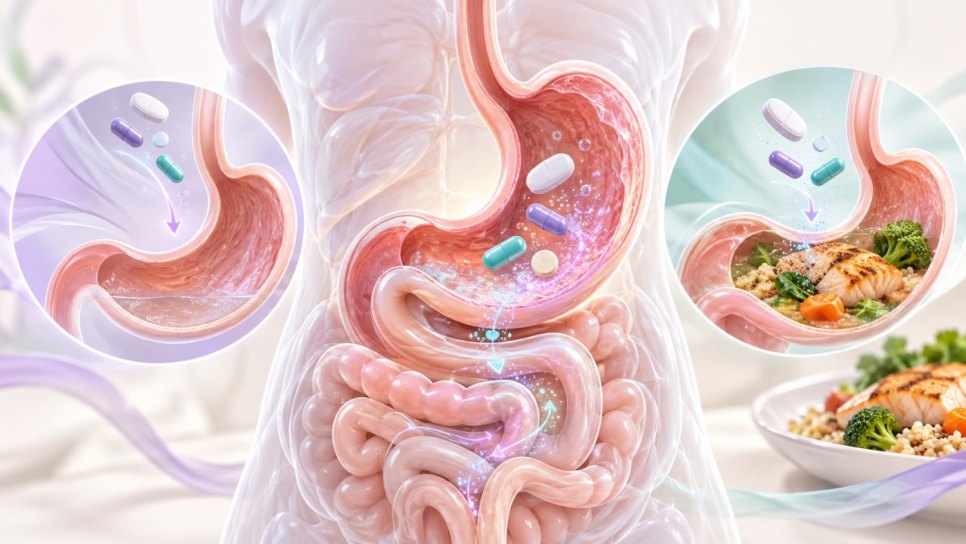
- Proton pump inhibitors (omeprazole, etc.): Reduce stomach acid, preventing B12 release.
- Metformin: Long-term use in diabetes treatment → reduces B12 absorption.
- Birth control pills and some antibiotics may also contribute.
👵 Older Age
After age 50, stomach acid and intrinsic factor production decrease. B12 deficiency is therefore much more common in older people.
🧬 Autoimmune & Endocrine Diseases
Type 1 diabetes, thyroid diseases and other autoimmune conditions facilitate B12 deficiency. The body may develop antibodies against its own stomach cells, reducing intrinsic factor.
🍷 Alcohol and Smoking
Alcohol → stomach/intestinal mucosal damage + inadequate nutrition; smoking → negatively affects stomach acid and nutrient absorption.
👥 Who Is at Risk?
- Vegan/vegetarian individuals
- People over age 50
- Those with chronic digestive system disease
- Those who have undergone stomach/intestinal surgery
- Long-term PPI, metformin or birth control pill users
- People with poor eating habits
Which Foods Contain Vitamin B12?
In nature, vitamin B12 is mainly found in animal-derived foods these foods. Deficiency can generally be prevented through a balanced diet.
🥩 Meat and Organ Meats
- Beef liver: The richest B12 source (100 g > several times the daily requirement).
- Red meat: Beef and lamb contain high B12 levels.
🐟 Fish and Seafood
- Salmon, tuna, sardines, trout: Contain high B12 levels.
- Mussels, oysters, shrimp: Very rich sources (100 g mussels > several times the daily requirement).
🥚 Eggs
One large egg contains approximately 0.5–0.6 μg B12. A supplementary source for people who do not eat meat.
🥛 Milk and Dairy Products
- Milk: 1 glass of milk → %15–20 of daily requirements.
- Cheese and yogurt: Hard cheeses and fermented dairy products provide B12.
🌾 Fortified Products
For people following vegan diets, B12-fortified breakfast cereals, soy milk, nutritional yeast are reliable sources.
📊 B12 Content of Selected Foods
| Food | B12 Content (μg/100 g) | Meeting Daily Requirements |
|---|---|---|
| Beef liver | ~70 μg | Up to 30 times |
| Mussels | ~98 μg | Up to 40 times |
| Salmon | ~3.2 μg | >100% |
| Eggs (1 egg) | ~0.5 μg | Around %20 |
| 1 glass of milk | ~1 μg | %15–20 |
Note: Plant sources do not naturally contain B12; forms in products such as “spirulina” are not biologically active.
How Is Vitamin B12 Deficiency Treated?
The aim is to rapidly replenish B12 stores, relieve symptoms and the factor causing recurrence correct it. Treatment is individualized according to deficiency severity and absorption statusof the patient.
🗺️ Practical Treatment Pathway
- Confirm deficiency: B12 (pg/mL) ± MMA, homocysteine; hematological panel (Hb, MCV).
- Determine severity and select the route: Mild/moderate without absorption problems → high-dose oral/sublingual.
Moderate-advanced, neurological findings or malabsorption → prioritize injections. - Loading → maintenance: After stores are replenished, the maintenance interval is determined (for example, monthly i.m. or daily/weekly oral).
- Correct the underlying cause: Diet, medicines (PPI/metformin), celiac/Crohn's, bariatric surgery, etc.
- Monitoring: Hb/MCV at 6–8 weeks; at 8–12 weeks, B12 ± MMA; neurological symptoms improve more slowly.
💊 Oral / Sublingual Treatment
- Example dose (adult): 1000 μg/gün methylcobalamin or cyanocobalamin (4–8 weeks), followed by 1000 μg/hafta or 1000 μg/2–3 days for maintenance; individualized thereafter.
- Advantage: Noninvasive, accessible; provides partial absorption at high doses through passive diffusion.
- When preferred? Mild-moderate deficiency without malabsorption; when access to injections is difficult.
- Choice of form: Methylcobalamin (active form) and cyanocobalamin are similarly effective clinically; selected according to tolerance and availability.
💉 Injection (Intramuscular) Treatment
Malabsorption, neurological findings or advanced deficiency are situations where the i.m. route provides rapid and reliable correction.
Example Loading + Maintenance Schedule (adult):
- Loading: 1000 μg i.m. every other day or 2–3 times weekly (1–2 weeks).
- Consolidation: 1000 μg i.m. 1 weekly (3–4 weeks).
- Maintenance: 1000 μg i.m. 1 monthly (if pernicious anemia/permanent malabsorption, lifelong).
Note: Hydroxocobalamin and cyanocobalamin forms may be used; follow institutional protocols.
🌬️ Nasal Spray and Alternative Forms
- Sublingual/nasal spray: Aims to partly bypass absorption problems; offers convenience for regular use.
- When? Mild-moderate deficiency with poor adherence to injections or a need for practicality.
📈 Monitoring and Clinical Response
- Hematological response: Reticulocytes increase in 3–7 days; Hb generally recovers in 6–8 weeks.
- Neurological findings: Improvement weeks–months may be needed; delay increases permanent deficit risk.
- Laboratory follow-up: At 8–12 weeks, B12 ± MMA/homocysteine; subsequently, if recurrence risk is high, periodic monitoring.
🎯 Manage the Underlying Cause
For vegan diets, fortified foods + regular supplementation; with PPI/metformin use, periodic B12 monitoring; in celiac/Crohn's, control of the underlying disease; after bariatric surgery, lifelong maintenance plans are considered.
Safety: B12 is water-soluble; toxicity is rare. However, Leber hereditary optic neuropathy or a history of B12/cobalt allergy requires medical supervision.
Side Effects of Vitamin B12 Injections
B12 is a water-soluble vitamin that is generally safe. However, particularly after the injection form, some mild and rare conditions may occur.
✅ Most Common (Usually Mild)
- At the injection site: Pain, redness, slight swelling, itching.
- Mild digestive complaints: Nausea, diarrhea, bloating.
- Temporary dizziness or a feeling of fatigue (rarely).
⚠️ Rare Reactions
- Allergic reactions: Rash, itching, fever, extreme weakness.
- Severe hypersensitivity (anaphylaxis): Swelling of the face, tongue or throat; shortness of breath; difficulty speaking. Requires emergency intervention.
- After rapid injection: Very rarely, chest pain, arrhythmia or dizziness may be reported.
💊 Oral Supplements
In pill, drop or sublingual form, B12 supplements generally cause no side effects. Rarely, mild stomach discomfort or skin redness may occur.
🚨 Clinical Warning
B12 allergy is very rare but can be serious. If shortness of breath, severe rash or throat swelling develops after injection, seek medical care immediately.
Precautions When Using Vitamin B12
B12 supplementation is generally safe; however, certain drug interactions, coexisting deficiencies and special situations should be considered.
💊 Drug Interactions
- Metformin: Long-term use → reduces B12 absorption.
- PPI / H2 blockers: Stomach acid decreases, preventing B12 from separating from foods.
- Aspirin, antibiotics, birth control pills: May cause fluctuations in levels.
👉 If you use these medicines long term, have your B12 levels measured regularly.
🧩 Other Vitamins and Minerals
B12 deficiency is often accompanied by folate (B9) and iron deficiency as well. Giving B12 alone may not fully correct anemia. Therefore, a complete blood count and vitamin panel should be evaluated together.
⚠️ Special Situations
- Leber disease: High-dose B12 may worsen vision problems.
- Polycythemia vera: B12 levels may already be high → avoid unnecessary supplementation.
- Hypokalemia: Rapid correction increases cell production → potassium may fall; monitor electrolytes.
- Cobalt allergy: Present in B12's structure; rarely a serious reaction may develop.
📈 Regular Follow-up
- Treatment begins after deficiency diagnosis → at 8–12 weeks follow-up.
- For conditions such as pernicious anemia or bariatric surgery with lifelong risk present, every 6–12 months follow-up.
- Unnecessarily high doses generally do not cause problems, but can be a financial burden.
💡 Supplement Form
B12 is generally available as cyanocobalamin or methylcobalamin forms. Both are effective; selection should follow medical advice and availability as its basis.
Conclusion and Summary
Vitamin B12, red blood cell production and nervous system health depend on it critically. Deficiency can cause serious consequences such as weakness, forgetfulness, numbness and anemia.
Encouragingly, B12 deficiency can be diagnosed with simple blood tests and effective treatment options are available. With early diagnosis and supplementation (oral, sublingual, injection), the condition improves rapidly. However, delayed treatment can cause irreversible nerve damage to develop.
Recommendation: Especially vegans/vegetarians, older people and those who have undergone gastrointestinal surgery and long-term PPI/metformin users should have B12 measured regularly and use supplements when necessary.
Scientific References
- O’Leary F, Samman S. Vitamin B12 in health and disease. Nutrients. 2010;2(3):299–316.
- Allen LH. Causes of vitamin B12 and folate deficiency. Food Nutr Bull. 2008;29(2 Suppl):S20–34.
- Langan RC, Zawistoski KJ. Update on vitamin B12 deficiency. Am Fam Physician. 2011;83(12):1425–30.
- Stabler SP. Vitamin B12 deficiency. N Engl J Med. 2013;368(2):149–60.
- O’Leary F. Vitamin B12: Deficiency and management. BMJ. 2020;369:m2383.
Was this article helpful?
Your feedback helps us improve our content.


Reader comments
Share your comment
Your name and comment are published only after administrator approval. Your email address is never shown to visitors.
Be the first to comment.