
What People With Cancer Need to Know About Coronavirus

In this article
We know that people undergoing cancer treatment and cancer survivors, particularly those whose immune system is weakened, may be concerned about the potential impact of coronavirus on their health. Patients should talk with their oncologists and healthcare teams to discuss options for protecting themselves from infection.




What Is the Novel Coronavirus Outbreak?
Coronavirus disease 2019 (or COVID-19) is a respiratory illness caused by a new coronavirus first identified during an outbreak in Wuhan, China, in December 2019.
Coronaviruses are a large family of viruses that usually cause mild illnesses, such as a runny nose and the common cold, but can occasionally cause more serious diseases, such as Severe Acute Respiratory Syndrome (SARS) and Middle East Respiratory Syndrome (MERS).
The new coronavirus was found to be 80% genetically similar to the coronavirus that causes SARS (SARS-CoV), so it was named SARS-CoV-2.
When a person coughs or sneezes, the disease can spread from person to person through small respiratory droplets from the nose or mouth. Another person can contract COVID-19 by inhaling these droplets or by touching a surface where droplets have landed and then touching their eyes, nose or mouth. While research into COVID-19 is still ongoing, we believe the disease mainly spreads through contact with respiratory droplets.
- Related topic: Latest Coronavirus News – The Situation Worldwide and in Türkiye
COVID-19 symptoms can range from mild to severe and may include fever, cough and shortness of breath. The most common symptom is fever. Other signs and symptoms may include aches, nasal congestion, a runny nose, sore throat or diarrhea. However, some infected people may have no symptoms.
What Can I Do to Avoid Coronavirus Infection?
- There is currently no vaccine to prevent COVID-19.
- The most important way to protect yourself is to avoid a known case of COVID-19 whenever possible.
- Another critical way to protect yourself is to wash your hands frequently with soap and water, ideally for 20 seconds. If soap and water are unavailable, use hand sanitizer containing at least 60% alcohol. Soap and water are the best way to clean your hands.
In addition to washing your hands frequently:
- Avoid touching your eyes, nose and mouth.
- If you need to cough or sneeze, use a tissue / handkerchief and then throw it away. Alternatively, cough or sneeze into your elbow rather than your hand.
- Avoid close contact with people who are ill.
- Clean frequently touched objects and surfaces with a household cleaning spray or wipe. These include doorknobs, countertops, toilets, keyboards, tablets, phones and more.
Note: Face masks are not recommended as a way to prevent COVID-19. However, if you have a respiratory illness such as flu or COVID-19, wearing a face mask may prevent the illness from spreading to people around you.
Are There Special Precautions That People With Cancer Should Take?
People with cancer or other chronic medical conditions may be at higher risk of a more severe form of COVID-19. However, there are no special steps that people with cancer need to take to protect themselves. Make sure you wash your hands thoroughly and often. Avoid touching your face and avoid close contact with people who are ill.
To help reduce your risk of flu, make sure you receive your annual flu vaccination. Remember, it is still flu season.
What Should You Do if You Think You May Have This Coronavirus?
If you have symptoms of a respiratory illness, such as fever, cough and shortness of breath, consult your doctor, particularly if either of these 2 situations applies to you:
- You have had close contact with someone known or suspected to have COVID-19;
- You live in, or have recently traveled to, an area with a known outbreak of the disease;
Before visiting your healthcare professional or emergency department, call and let them know that you think you may have COVID-19. Your healthcare professional will work with regional health departments and local health authorities to determine whether you should be tested for SARS-CoV-2.
Staying home when you are ill is the best way to prevent the novel coronavirus and other respiratory viruses, such as flu, from spreading to other people.
If you are receiving cancer treatment that suppresses the immune system and develop fever and respiratory symptoms, inform your oncology team; also let them know if you develop fever during treatment. Make sure you follow their guidance on when to come to hospital and when it is safer to stay home.
And again, make sure you wash your hands frequently.
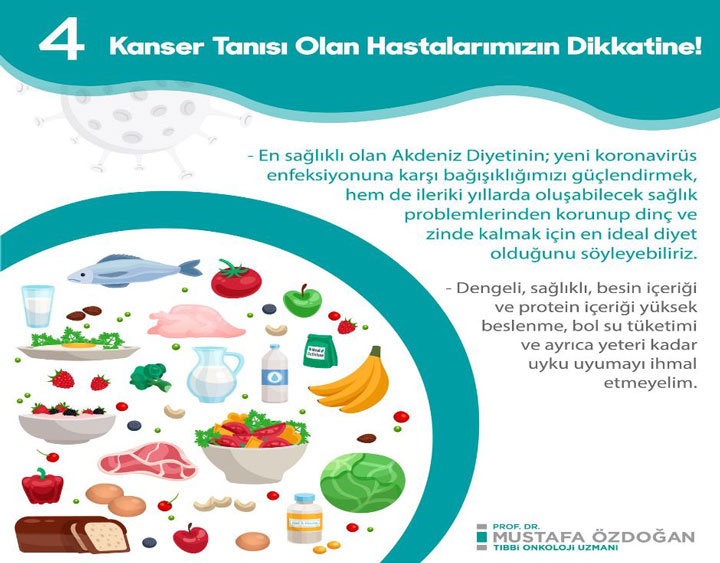
You can follow our infographics below for the latest information about COVID-19:
Sources
Coronavirus 2019: What People With Cancer Need to Know.
cancer.net 3 March 2020
Was this article helpful?
Your feedback helps us improve our content.


Reader comments
Share your comment
Your name and comment are published only after administrator approval. Your email address is never shown to visitors.
Be the first to comment.