
Causes of Cancer – What Are They, Briefly?

In this article
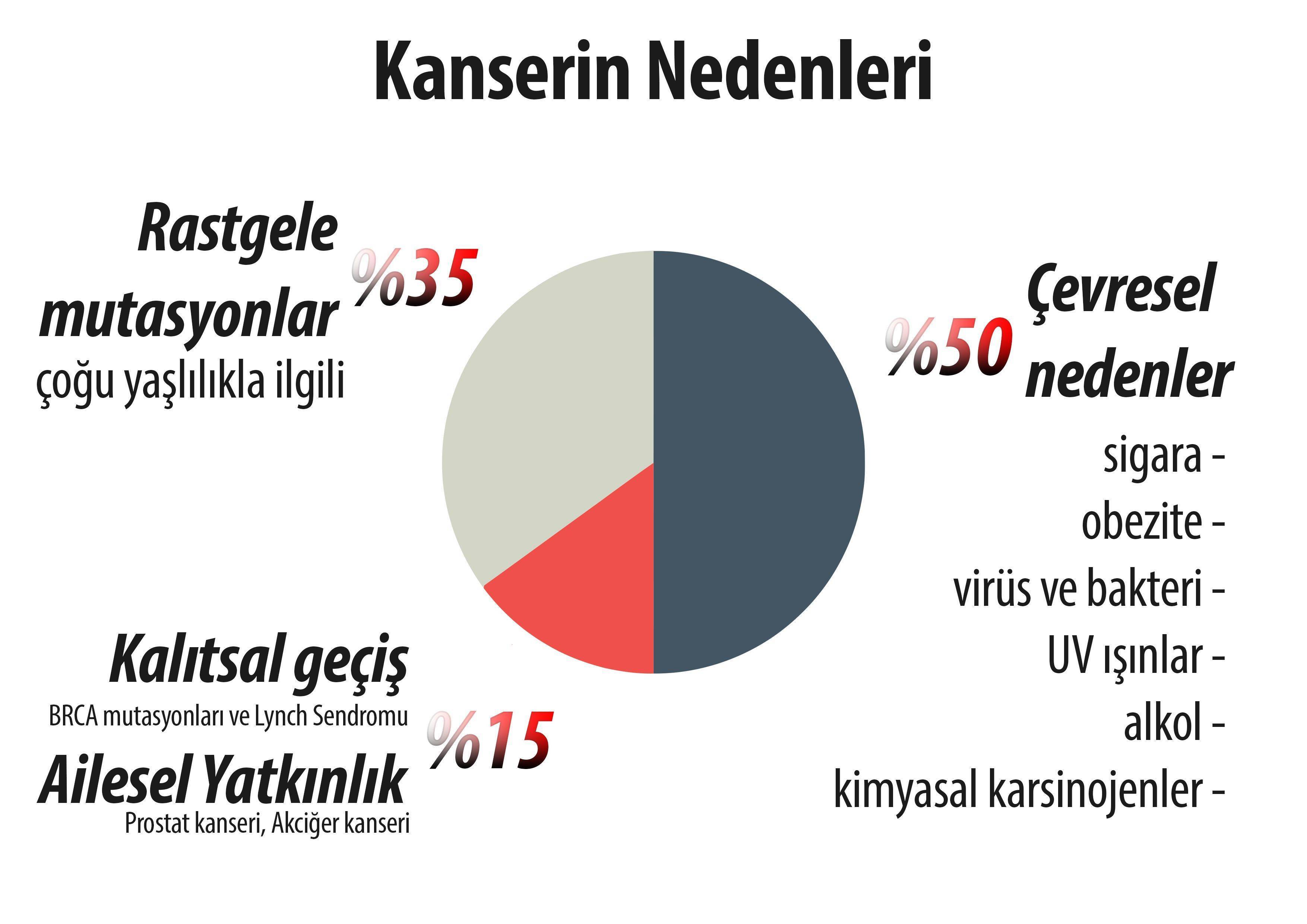
Whoever “I have found the cure for cancer” says this, know that it is not true! Cancer is not a single disease, nor does it have a single cause. Naturally, a group of diseases with different causes will have different treatments. Nevertheless, we firmly believe that in the not-too-distant future, many cancer types will first become manageable, then completely treatable or preventable diseases. However, this will only be possible through advanced treatment methods developed from scientific knowledge that also sheds light on cancer’s causes, and their combined use... In this article, we will briefly discuss the environmental causes of cancer .
What Is Cancer?
Canceris a serious group of diseases resulting from uncontrolled proliferation of cells in the body. Normally, cells grow, divide and die in a regulated manner. Cancer cells disrupt this order, continually multiply and cause masses called tumors to form. Depending on the cancer type, these tumors may spread into surrounding tissues or metastasize to other parts of the body.
Cancer is among the leading causes of death worldwide. However, many cancer types can be prevented or effectively treated through early diagnosis, appropriate treatment and lifestyle changes.
Causes of Cancer
The causes of cancer are diverse and may arise from a combination of factors such as genetic predisposition, environmental factors and lifestyle. The main factors involved in cancer development are:
Tobacco and Tobacco Products
Tobacco and tobacco products are the principal cause of %30 of cancer-related deaths. Cigarettes, cigars, hookahs and other tobacco products are associated with lung cancer, laryngeal cancer, esophageal cancer, liver cancer, pancreatic cancer, cervical cancer, colorectal cancer and leukemia , among many other cancer types.
- Tobacco products contain approximately more than 60 carcinogenic substances .
- These substances cause DNA damage, triggering cell mutations.
Quitting Smoking Reduces Cancer Risk:
- Quitting smoking significantly reduces the risk of lung and heart disease in particular.
Related Topic: How Can I Quit Smoking?
Infections
Certain bacteria, viruses and parasites can also cause cancer. Approximately %16 of cancer cases worldwide are caused by infections.
Infection-Related Cancer Types:
- Hepatitis B and C Viruses (HBV, HCV): Liver cancer
- Human Papillomavirus (HPV): Cervical cancer, head and neck cancers
- Epstein-Barr Virus (EBV): Burkitt lymphoma, nasopharyngeal cancer
- Helicobacter pylori: Stomach cancer
- HIV: Kaposi sarcoma, some lymphomas
Infection-related cancers can be prevented through vaccination and early treatment.
Inflammation
Chronic inflammationis an important risk factor in cancer development. Prolonged inflammation increases cellular damage, creating conditions for cancer.
Cancer Types Caused by Inflammation:
- Reflux disease: Esophageal cancer
- Hepatitis: Liver cancer
- Chronic pancreatitis: Pancreatic cancer
Regular health checks are important for preventing cancers caused by inflammation.
Chemical Carcinogens
Certain chemicals in the environment can cause cancer. Prolonged exposure to these substances may cause mutations in cells.
Major Chemical Carcinogens:
- Asbestos, silica: Lung cancer, malignant mesothelioma
- Radon, arsenic, nickel dust: Lung cancer
- Benzene: Leukemia
- Aflatoxin: Liver cancer
- Smoked and pickled foods: Stomach cancer
- Ethyl alcohol: Head and neck cancers, liver cancer
Physical Factors
Certain physical environmental factors can also cause cancer.
- Ionizing radiation: Thyroid cancer, leukemia
- Ultraviolet (UV) rays: Skin cancers
- Radioactive substances: Cancers of various organs
Protection from sunlight and reduced radiation exposure may lower the risk of these cancers.
Lifestyle Factors
Diet, obesity and physical activity levelplay important roles in cancer development.
Lifestyle-Related Cancer Types:
- Obesity: Breast, colon, uterine and esophageal cancers
- Low-fiber diet: Colorectal cancer
- Processed meat consumption: Colon and rectal cancer
- Physical inactivity: Colorectal and uterine cancer
A balanced diet, regular exercise and healthy lifestyle habits can significantly reduce cancer risk.
Sources
Was this article helpful?
Your feedback helps us improve our content.




Reader comments
Share your comment
Your name and comment are published only after administrator approval. Your email address is never shown to visitors.
Be the first to comment.