
Causes of Testicular Lumps – What Should You Watch For?

In this article
Most testicular lumps are harmless, but some may be a sign of a more serious medical condition. Regular self-examinations can help detect early signs of testicular cancer.
Most lumps found in the testicles are not caused by cancer. Testicular lumps or swelling more commonly result from edema, infection or enlarged veins.
Testicular lumps are usually investigated after a person notices one and consults a doctor. A doctor’s physical examination may not establish an exact diagnosis, so further imaging such as ultrasound (USG) is often preferred.
In this article, we answer questions about conditions causing testicular lumps, noticing testicular changes, when to see a doctor, possible causes, and diagnosis and treatment.
- You may be interested: Do muscle-building supplements increase testicular cancer risk?
What causes testicular lumps?
Lumps and swelling within the testicles or in the surrounding skin can have various causes, including the following:
Testicular cyst
A cyst is a fluid-filled sac that may feel like a small, hard lump. Cysts can develop almost anywhere in the body and are generally harmless.
Varicocele
A varicocele is a lumpy area caused by swollen/enlarged veins in the testicles. It resembles varicose veins in a person’s legs. The exact causes of varicocele are unclear.
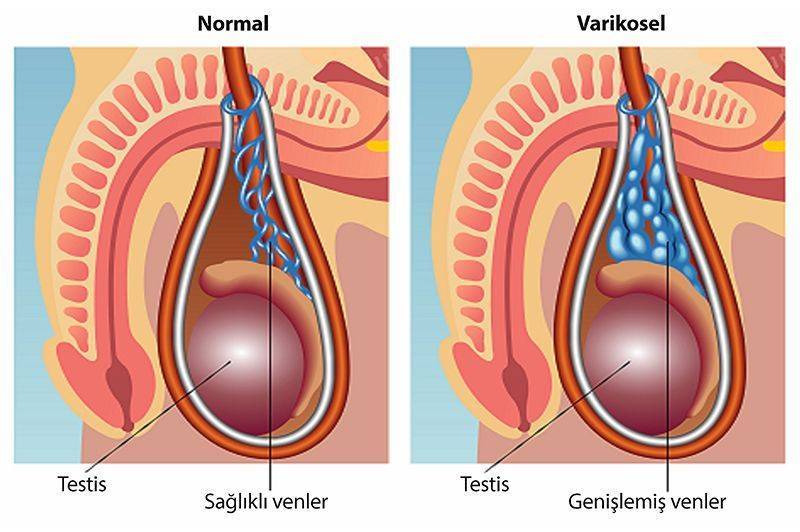
Hydrocele
Fluid collecting around a testicle can cause swelling known as a hydrocele.
This usually happens after an infection or injury in this area of the body. Hydroceles are generally painless. Swelling can affect one or both testicles.
Testicular torsion
Testicular torsion is a serious medical condition requiring emergency treatment. It occurs when the cord attached to the testicles twists, cutting off the blood supply.
People with testicular torsion usually experience severe pain, which can also cause vomiting and testicular swelling.

Epididymitis
Epididymitis is a condition that can cause pain and swelling of the epididymis. The epididymis is an accessory organ behind the testicles, consisting of tightly coiled, thin microscopic tubes. As sperm pass through it, they mature and acquire the ability to move independently.
The swelling may feel like a lump. People with epididymitis may also have pain, tenderness and warmth in the skin around the testicle.
Epididymitis is associated with a sexually transmitted disease called chlamydia.

Testicular cancer
A lump or swelling can be one of the first signs of testicular cancer. Most testicular tumors do not cause pain.
The lump usually forms at the front or side of a testicle. It may feel hard and firmer than normal. A lump may develop inside or immediately below the testicle. One testicle may be larger or swollen.

Testicular cancer is uncommon; according to United States statistics , among every 263 people, only 1 develops testicular cancer in their lifetime; among approximately 5000 people, 1 dies from it.
- Related topic: 1 cycle of BEP found sufficient for preventive chemotherapy after testicular cancer surgery
Understanding your body and noticing changes can be an important part of managing health. Checking the testicles for lumps or swelling and seeking medical help if necessary can help resolve any problem as quickly as possible. It is best to perform a self-examination when the body is warm and you are relaxed. This makes it easier to feel anything unusual.
When should you see a doctor?
Anyone who notices a testicular lump should see a doctor soon. Without a doctor’s examination, it is difficult to tell whether a lump is cancerous or harmless.
Describing your medical history and other symptoms may help diagnosis. There may have been an infection such as chlamydia or a testicular injury. Sharing this information with the doctor can help them make a diagnosis.
Diagnosing a testicular lump
After listening to the history of the patient’s symptoms, the doctor examines the testicle by hand. A light may also be shone through the skin to check for fluid accumulation. Ultrasound is the most commonly preferred imaging method for diagnosing testicular lumps. It uses sound waves to visualize body tissues and is an easy, noninvasive method.
Treatment of a testicular lump
If a person has no pain or discomfort, they may not receive treatment. If monitored without intervention, people with a testicular lump should check it regularly to ensure it is not growing or changing shape.
Cysts usually go away on their own. If a cyst is painful, applying a cloth soaked in warm water may help reduce swelling. If it becomes infected, medication may be needed.
Doctors can remove a cyst using local anesthesia. However, they generally do not recommend this because cysts are unlikely to cause health problems. A cyst can recur in the same place.
People with a varicocele or hydrocele that causes no symptoms may not need treatment. The fluid sac in which a hydrocele forms can be repaired or sometimes removed.
Surgery may be considered for someone with a varicocele. The procedure involves stopping blood flow to the swollen veins to reduce their swelling.
Doctors generally treat epididymitis with antibiotics. A person may take painkillers or apply a cold compress to the testicles to help with pain and swelling. A cancerous lump within the testicle will require treatment. Treatment varies depending on the stage of testicular cancer . Testicular tumors often require more than one treatment (surgery, chemotherapy and radiotherapy). They are among the tumors most sensitive to chemotherapy, and since the discovery of cisplatin, 5-year survival rates have steadily increased and now exceed 95%.
A surgically removed testicle can be replaced with an implant. Treatment for a testicular tumor may affect fertility, so a person may be offered sperm storage before surgery.
Conclusion
There are several possible causes of testicular lumps, most of them harmless. People without pain or discomfort may not need treatment. Rarely, a lump may be a sign of testicular cancer, and treatments specific to testicular cancer are used. Anyone who notices a lump in their testicles should always see a doctor.
*
- Testicular cancer, which men are particularly reluctant to discuss
Was this article helpful?
Your feedback helps us improve our content.




Reader comments
Share your comment
Your name and comment are published only after administrator approval. Your email address is never shown to visitors.
Be the first to comment.