
Do Stress and Anxiety Cause Cancer?

In this article
We often hear statements such as “grief gave her cancer” or “stress caused his cancer.” Many people worry that intense stress, anxiety, or deep sadness can lead to cancer. But how accurate is this? Do stress and anxiety really cause cancer, or is this a myth?
Scientists have conducted many studies to understand the relationship between stress and cancer. The findings show that there is no strong evidence that stress and anxiety directly cause cancer. In other words, there are no conclusive data allowing us to say that someone “developed cancer because of stress.” This means that stress alone is not a determining factor in cancer. However, its indirect effects on the body can harm overall health and make an existing cancer more difficult to cope with. Let us look more closely at the facts about stress, anxiety, and cancer.
What Are Stress and Anxiety?
Stress is the body's natural response to a challenging or threatening situation. For example, nervousness before an exam or getting stuck in traffic causes short-term acute stress ; once the event is over, the stress usually disappears. Stress triggers the body's “fight or flight” response: the heart beats faster, blood pressure rises, muscles tense, and the mind becomes alert. In the short term, these responses are normal and vital.
Anxiety , by contrast, is an ongoing state of worry and tension about the future. A person may feel uneasy even without a specific threat. Stress and anxiety are often discussed together because they produce similar physical reactions; both involve the release of stress hormones such as adrenaline and cortisol. In essence, stress is a temporary state of tension, whereas anxiety is more persistent worry. Both place greater-than-usual demands on the body and mind.
Effects of Stress on the Body
When acute (short-term) stress ends, the body returns to normal, usually without lasting damage. However, chronic (long-term) stress keeps the body constantly on alert. This can predispose to various health problems:
- Weakened immunity: Long-term stress reduces the effectiveness of the immune system, making it harder for the body to fight illness.
- Cardiovascular problems: Chronic stress keeps blood pressure persistently elevated and increases the risk of hypertension; over time, it may raise the risk of heart attack and stroke.
- Psychological effects: Persistent stress increases the risk of anxiety disorders and depression. Irritability, difficulty concentrating, and sleep problems are common.
- Digestive problems: Excessive stress may contribute to digestive problems such as stomach pain, ulcers, and changes in appetite.
- Lifestyle changes: People under intense stress may smoke or drink more, eat unhealthily, or become less active. These behaviors indirectly increase the risk of many illnesses.
Does Stress Cause Cancer?
In light of the scientific evidence, no evidence has been found that stress alone causes cancer. Cancer develops through the interaction of many factors, including genetic predisposition, environmental exposures (such as smoking, radiation, and certain viruses), and lifestyle. Large studies over the years have found no clear difference in cancer rates between people experiencing chronic stress and those leading calmer lives. Intense stress alone therefore does not make someone significantly more likely to develop cancer.
Although some experiments suggest that severe stress may accelerate tumor development, long-term follow-up in humans shows no clear practical effect. In brief, the current scientific view is that stress alone does not cause cancer.
Stress may nevertheless trigger some risks indirectly. For example, someone who starts smoking because of stress has a higher risk of lung cancer, while drinking alcohol to soothe distress increases the risk of alcohol-related cancers. The main problem here is the unhealthy habits caused by stress rather than stress itself. The weakening of immunity by chronic stress may also reduce the body's ability to eliminate abnormal cells, although this effect is difficult to measure directly.
The Relationship Between Anxiety and Cancer
Anxiety (persistent worry) is likewise not considered a cause of cancer on its own. Studies have found that cancer rates in highly anxious people do not differ from those in the general population. Having an anxious disposition therefore does not, by itself, predispose someone to cancer.
Anxiety is nevertheless a problem that deserves attention. Intense worry and fear are especially normal after a cancer diagnosis; in this situation, however, anxiety is a consequence of the illness rather than its cause. What matters is managing this anxiety through professional support and stress management.
The Psychological Impact of Cancer and Stress
A cancer diagnosis is itself a major source of stress. This psychological burden can adversely affect treatment adherence and quality of life. For example, an extremely anxious patient may miss medicines or experience sleep and appetite problems. Recovery may also be harder when the body is under high stress.
During this process, psychological support is very valuable for managing stress and anxiety. Psycho-oncology specialists can provide emotional support to people with cancer. Therapy can reduce anxiety when necessary. Relaxation exercises, hobbies, and spending time with loved ones can also help relieve stress. Patients should not blame themselves for past distress; knowing that stress alone does not cause cancer prevents unnecessary guilt. Remember that maintaining morale and calm can give patients strength during treatment.

Ways to Cope With Stress and Anxiety
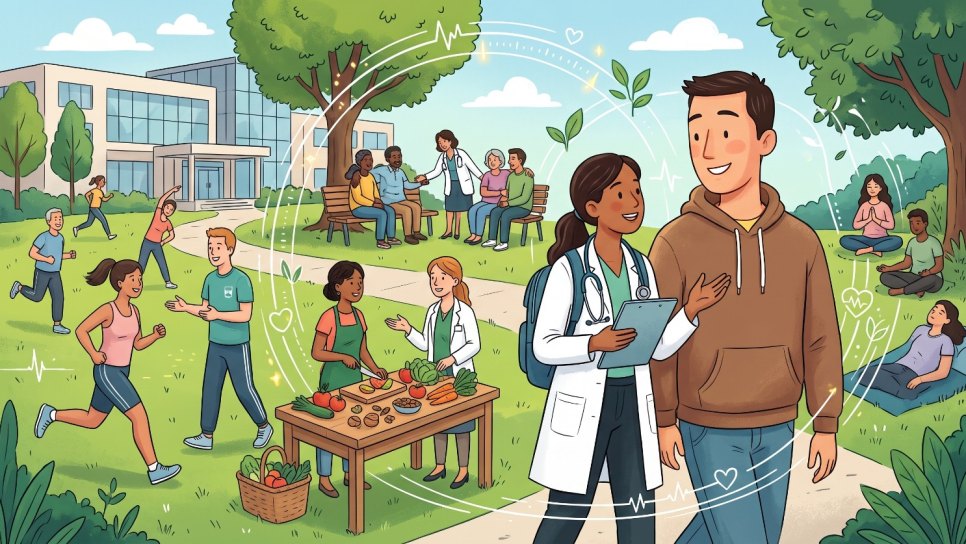
Reducing everyday stress benefits both general health and disease prevention. Here are some suggestions for coping with stress and anxiety:
- Exercise regularly: Physical activity reduces stress hormones and increases the release of endorphins (the hormones associated with happiness).
- Try relaxation techniques: Deep breathing exercises, meditation, or yoga may calm your mind and reduce anxiety.
- Maintain a regular sleep routine: Good-quality sleep improves the body's resilience to stress. Try to get enough sleep each night (7-8 hours).
- Seek social support: Share your feelings with people you trust. Talking with family, friends, or support groups can be comforting. Do not hesitate to seek professional help if necessary.
- Develop healthy habits: Eat a balanced diet and avoid smoking and excessive alcohol. Making time for hobbies you enjoy also keeps your mind positively engaged and reduces stress.
Conclusion
According to the scientific evidence, stress or anxiety alone does not cause cancer. Genetic predisposition, environmental factors, and lifestyle habits are the main determinants of cancer development. Factors such as stress and sadness may affect health only indirectly.
Although a completely stress-free life is impossible, we can learn to cope with stress. Psychological support and a focus on what we can control (such as quitting smoking, eating healthily, and adhering to treatment) are especially important when facing a serious illness. This can protect both mental and physical health and make us more resilient to illness.
Frequently Asked Questions
Does stress really cause cancer?
No. Scientific studies have not proved that stress directly causes cancer. Stress alone is not considered a cancer-causing factor.
Can sadness or depression cause cancer?
No. There is no evidence that intense sadness causes cancer. Depression alone does not increase cancer risk either.
What illnesses can stress lead to?
Chronic stress may predispose to problems such as heart attack, high blood pressure, stroke, stomach ulcers, sleep disorders, and anxiety.
Does stress make existing cancer worse?
There is no evidence that stress directly enlarges an existing tumor. However, excessive stress can reduce quality of life for people with cancer and make treatment more difficult. People coping with cancer are therefore advised to avoid stress as much as possible.
Was this article helpful?
Your feedback helps us improve our content.


Reader comments
Share your comment
Your name and comment are published only after administrator approval. Your email address is never shown to visitors.
Be the first to comment.