
Early Diagnosis of Colon Cancer by Detecting Changes in Intestinal Bacteria

It has long been accepted that the intestines contain trillions of bacteria. These bacteria are closely related to our health, and changes in them can sometimes lead to serious health problems. The general name for the communities these bacteria form in the intestine is the microbiota. There is a very important balance among the bacteria composing the microbiota, and this balance can change with factors such as diet and antibiotic use.
Colorectal (large bowel) cancersare a common type of cancer with weak early symptoms that often go unnoticed, leading to diagnosis at advanced stages, and with high metastasis rates. An exception is that cancer screening such as colonoscopy is very effective for early diagnosis.
Genetic predisposition and environmental factors (such as obesity, a diet low in fiber, inactivity and smoking) are known causes of colorectal cancers. The role of the microbiota among these environmental factors is being investigated.
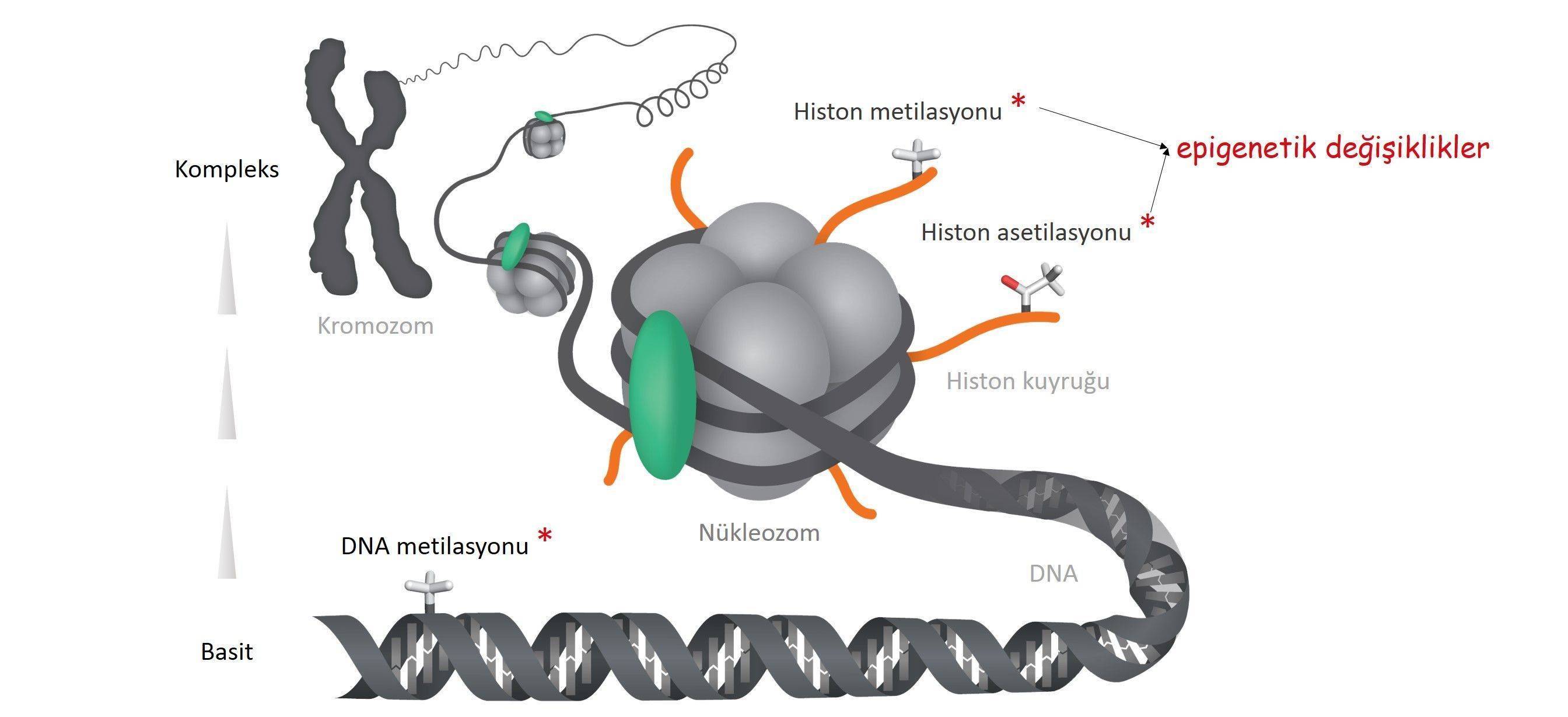
On 27 September 2019, PNASpublished a study in which tissues from individuals with colorectal cancer and healthy individuals were transferred into mice. As a result of this experiment, in mice receiving tissues from individuals with cancer, disruption of the intestinal microbiota and, in bacteria in the microbiota, epigenetic changes were observed. In addition, precursor tumor structures were observed in the intestinal samples examined. These epigenetic changes were found to be high levels of methylation in the genome, which are also commonly found in cancer cells. In particular, these methylation changes were observed in 3 genes (Wif1, PENK and NPY). Similar results were obtained in human studies.
On the basis of these results, the researchers worked on a blood test that could diagnose colorectal cancer at an early stage. In these studies, the cumulative methylation index (KMİ) was developed as a system indicating methylation levels in patients. A blood test examining the cumulative methylation index in the 3 genes where methylation is concentrated may make early diagnosis of nonfamilial colorectal cancer possible. The researchers state that a more reliable blood test could be developed through more detailed, larger-scale studies.
Sources
Was this article helpful?
Your feedback helps us improve our content.




Reader comments
Share your comment
Your name and comment are published only after administrator approval. Your email address is never shown to visitors.
Be the first to comment.