
From Alchemy to Medicine: Al-Razi's Transformation and the Meat Experiment

In this article
Day 27 (Cancer History in 365 Days Series)
Born in AD 865 in Rayy, near modern Tehran at the heart of the Silk Road, Abu Bakr Muhammad ibn Zakariya al-Razi is among medical history's most unusual figures. His story began in a music room rather than a hospital.
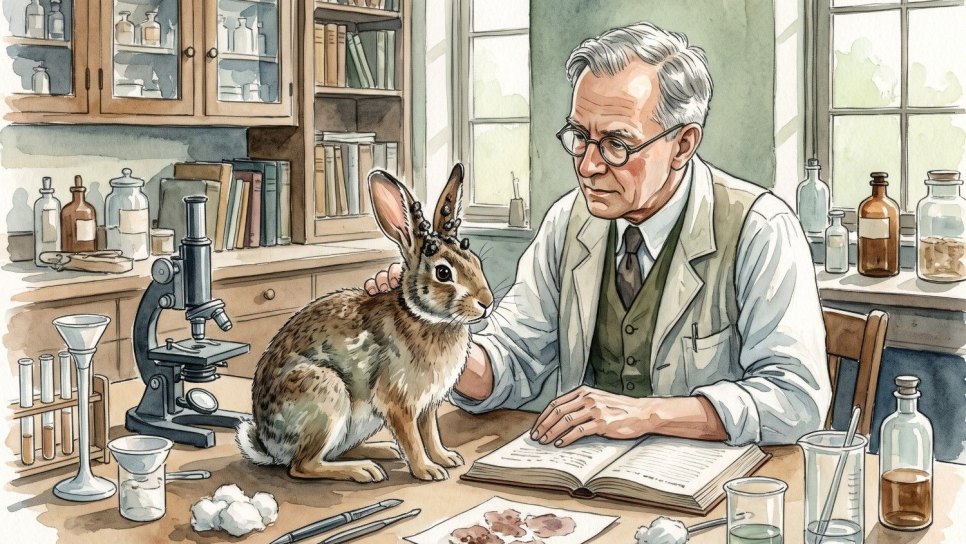
Curiosity took Razi beyond art into matter's secrets. He turned to alchemy, distilling sulfuric acid and ethanol (alcohol) to help lay modern chemistry's foundations. Al-Asrar (The Book of Secrets) became a masterpiece of laboratory techniques.
The experimental discipline acquired then later shaped his medical practice, emphasizing observation and experimentation. For him, alchemy meant understanding nature's workings as well as transforming metals.
Darkness in His Eyes and the Search for Healing
Laboratory fires and toxic chemical fumes exacted a price. In his 30s, Razi developed permanent eye damage and severe pain. Seeking his own cure led him into medicine, where he remained.
The Birth of Evidence-Based Medicine: Baghdad's Meat Experiment
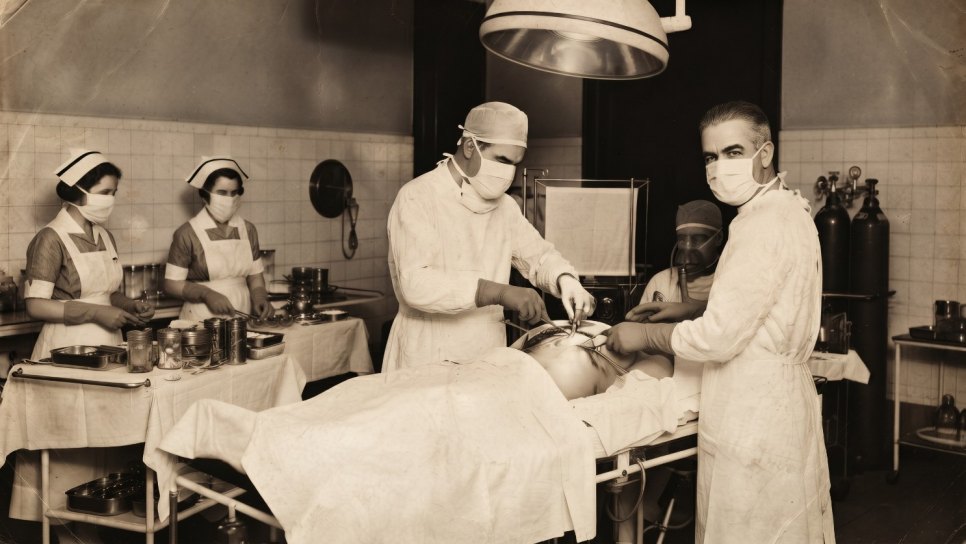
The Caliph wanted a vast hospital, a bimaristan, in Baghdad. Asked where to build it, Razi did not consult the stars or tell fortunes. Instead, he designed one of history's best-known environmental health experiments.
Hypothesis: "Clean air accelerates healing; polluted air, or miasma, promotes decay."
Razi hung fresh meat in different Baghdad neighborhoods and observed it for days. Beyond site selection, it was an early application of scientific methodology—observation, experiment and conclusion—to medicine.
EXPERIMENTAL RESULTS
Meat quickly smelled, discolored and decayed.
UNSUITABLEMeat dried but remained unspoiled and fresh for longer.
HOSPITAL SITE SELECTEDThe experiment showed that medicine concerns the environment as well as the patient. "Where meat decays most slowly, wounds will also take longest to become infected." This approach helped lay foundations for hospital architecture and infection control.
Sources
- Modanlou HD. "Abu Bakr Muhammad Ibn Zakariya Al Razi (Rhazes): Philosopher, Physician and Alchemist." Pediatric Research.
- Hajdu SI. "Rhazes' (864-925) views on cancer and the introduction of chemotherapy." JBUON.
- Zarrintan S. "Al-Razi and Islamic medicine in the 9th century." Journal of Investigative Surgery.
- "Abu Bakr al-Razi." Stanford Encyclopedia of Philosophy.
- El-Razi, Ebu Bekir. Kitab al-Hawi (The Comprehensive Book on Medicine).
Was this article helpful?
Your feedback helps us improve our content.
Reader comments
Share your comment
Your name and comment are published only after administrator approval. Your email address is never shown to visitors.
Be the first to comment.


From Alchemy to Medicine: The Triumph of Scientific Method
Abu Bakr al-Razi helped free medicine from dogma and turn it into a science of observation and experimentation. His laboratory discipline of understanding matter became clinical rigor in understanding disease.
The seeds of evidence-based medicine were planted 1100 years ago with meat hanging in Baghdad's streets. Razi teaches us that reading alone does not make a good physician: we must observe nature, question and experiment.
Tomorrow, Day 28, we will open his monumental Al-Hawiand examine how he described cancer and distinguished benign from malignant tumors.