
Stop the Patient-Blaming Game: What Really Causes Obesity?

Obesity is a complex condition intertwined with many diseases. Some suggest it is a condition invented simply to use a different expression instead of fatness, as a claim, but obesity has, with diabetes, cardiovascular disease and cancer among many diseases, a strong relationship with them, and is therefore now recognized as a disease and one of the most important health problems worldwide.
Below, you can see the calculation of body mass index (BMI), the most commonly used method of assessing obesity.

Many people accept that they are obese because they eat too much. Then the solution is simple: not eating should restore everything to how it was. But if this is really true, how do we explain obese people who do not overeat or people who cannot lose weight despite taking care ?
Because obesity is a complex disease with many causes, its prevention and treatment involve numerous challenges. Therefore, discussing dietary choices alone is not enough! We need to understand the factors causing the disease and discuss all the facts and myths (common misconceptions) about obesity:
- CLAIM 1: Overeating Is Not the Cause of Obesity!
In other words, eating a lot does not necessarily make us fat. Otherwise, would everyone who consumes a lot of sugary foods not have diabetes, and everyone who drinks a lot of water not have edema? Yes, excessive food consumption may play a role in predisposition to weight gain. However, this can be considered similar to developing diabetes in someone already predisposed, or edema in someone whose kidney and heart functions are impaired.
Once food enters the mouth, mechanisms regulate its distribution in the body and its storage or expenditure as energy. Obesity involves defects in energy regulation, particularly excessive storage as fat. Food types do not cause this defect; therefore, foods do not cause fatness.
- CLAIM 2: Obesity Is Not a Condition We Choose!
We may see people around us who do not watch what they eat or say they lack dietary willpower but do not look obese at all. We may even see people with low body weight despite large portions. How is this possible? The answer may lie in the hormones regulating energy balance— leptin, ghrelin , and insulin —and the mechanisms controlling them.
Hunger and satiety hormones regulate food intake and energy mechanisms. For example, as blood ghrelin rises, hunger is activated; as eating continues, ghrelin levels fall. Then satiety hormones such as GLP-1 (glucagon-like peptide) and PYY (peptide tyrosine tyrosib) begin to act, and we feel full and end the meal. In addition, leptin instructs the brain about increasing and decreasing adipose tissue. Increased lipoprotein lipase (LPL) activity in adipose tissue or a decrease in skeletal muscle LPL in response to a meal may produce potential weight gain. In winter, increased LPL in fat stores appears to facilitate fat storage, perhaps attempting to provide an insulating fat layer against the cold. Recent studies have also claimed that our gut microbes can extract additional calories from food.
- CLAIM 3: High-Calorie Foods Do Not Make Everyone Fat
The belief that weight can be controlled with simple calorie arithmetic is a popular misconception. Studies suggest that, among the factors determining body weight, rather than food or eating habits, genetic characteristics are more decisive . For example, studies show that continuously monitored participants given an additional 1000 calories do not gain the same amount of weight; twins raised by separate parents after birth and followed over time maintain weights resembling their biological parents despite different environments and habits.
Conversely, not everyone following the same low-calorie diet and increasing metabolic rate loses the same weight, which may again suggest that genetic characteristics are decisive.
- CLAIM 4: Obesity Cannot Be Explained Solely by Weakness for Food or Lack of Willpower
Two people offered the same meal consume different amounts depending on meal-ending signals controlled by their individual hunger and satiety hormones. However, we know that willpower can allow people to eat less when desired and control habits. The question is how long we can sustain this.
Expecting someone voluntarily to maintain this for months or years through willpower alone, without considering brain-related energy balance disturbances, satiety and hunger hormones, other hormones and enzymes, gut microbes, and reduced calorie-burning brown fat, is a tall order. For most people it is unrealistic and unsustainable.
- CLAIM 5: Obesity Treatment Should Focus on Its Cause Rather Than on Food
Like cancer, obesity is a collection of diseases with many possible causes. Similarly, treatment needs to focus on causal factors, individual genetics, and treatment differences.
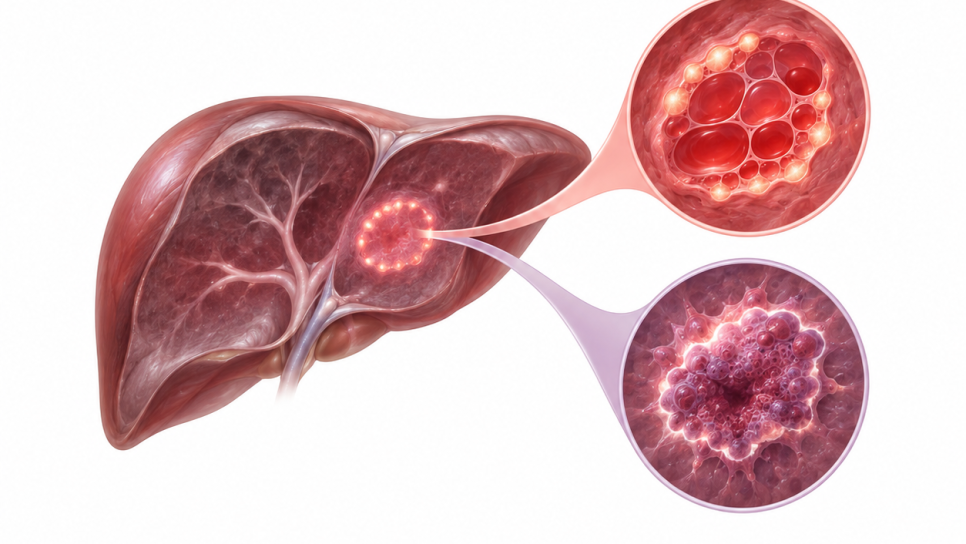
- Related Topic: Which Cancers Are Caused by Obesity?
Current obesity treatments include diet and lifestyle management, some drug treatments, and limited use of bariatric surgery (obesity operations). Although these appear individualized, they are actually blanket approaches independent of cause. If individual causes are correctly identified, treatment can target specific causes and may be more effective than current approaches.
For example, many people with obesity are resistant to leptin’s effects, while some are born without leptin. These cases typically involve severe childhood obesity. Contrary to common belief, these children’s or individuals’ obesity is not caused by too much television or junk food. Treatment of genetic obesity due to leptin deficiency should therefore simply be leptin administration rather than diet and lifestyle changes! Similarly, obesity arising in endocrine diseases such as hypothyroidism and Cushing syndrome requires specific treatment approaches.
Conclusion Many people struggle to lose excess weight in daily life. Short-term success with rapid weight-loss diets gives way to long-term failure. Thus, the causes and treatments of obesity remain unsettled. The examples above show that obesity requires a broader perspective, and more research is needed to identify overlooked additional causes and specific treatment solutions.
In the video below, over the past 40 years, like a worldwide epidemic , the rise in obesity rates can be seen.
Sources
Was this article helpful?
Your feedback helps us improve our content.


Reader comments
Share your comment
Your name and comment are published only after administrator approval. Your email address is never shown to visitors.
Be the first to comment.