
The Poison in Snuffboxes: John Hill's Forgotten Tobacco Warning from 200 Years Ago

In this article
Day 63 (Cancer History in 365 Days Series)
The first discovery in medical history of the deadly link between tobacco and cancer: a genius's silenced cry and the price of ignorance.
Yesterday, we witnessed Bernard Peyrilhe bring cancer to the laboratory bench, moving oncology from speculation to experiment (Day 62). While 18th-century physicians searched for cancer in sooty chimneys “outside” or poisonous fluids “inside”, Europe's aristocracy was sniffing one of the deadliest carcinogens as a “status symbol” from the silver boxes carried in their pockets. Although Dr. John Hill clinically proved the link between tobacco and cancer in 1761, his cry was ignored for 200 years by the tobacco industry and addicted courtiers. This analysis explains that sound guidance means not simply producing data, but transforming those data into collective resolve.
The Aristocracy's Deadly Fashion
In 18th-century Europe, smoking tobacco was considered a habit of the “common people”, while sniffing finely ground tobacco powder (snuff) was the nobility's indispensable passion. Believed to sharpen the mind and relieve headaches, this “healing” habit was actually an executioner rotting faces from within.
Snuffboxes were symbols of wealth. From kings to queens, everyone believed that this powder was an “antidote” that facilitated socialising.
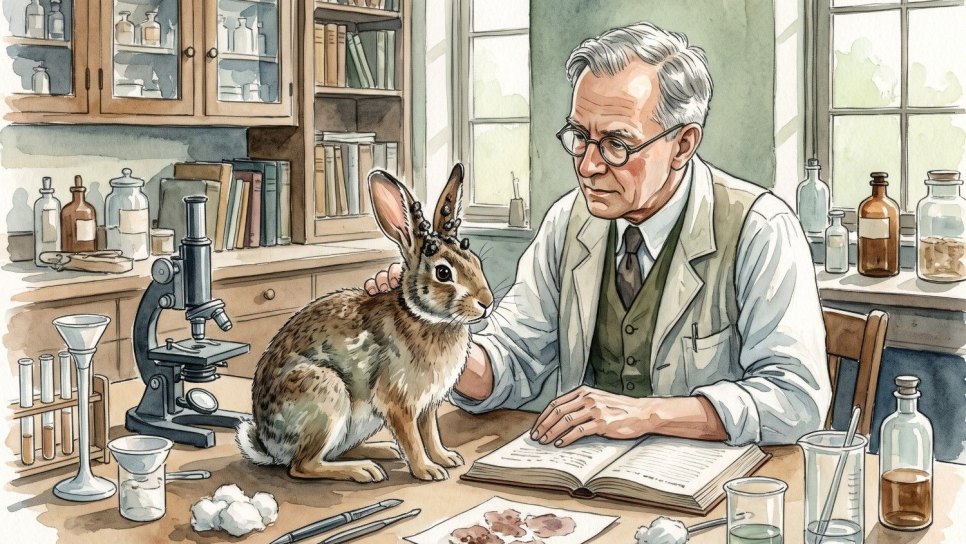
The London genius John Hill noticed that this “elegant” powder irritated the nasal mucosa, leading first to bleeding polyps and then to aggressive nasal cancers.
1761: The Book That Should Have Shaken the World but Was Silenced
In 1761, John Hill published medical history's first major tobacco warning: Cautions Against the Immoderate Use of Snuff (Cautions Against the Immoderate Use of Snuff). In his book, Hill cried out that cancer was harm people inflicted on themselves through a substance taken in from outside.
From Clinical Evidence to Statistics
Hill's formal declaration of tobacco as the first chemical carcinogen preceded Percivall Pott's discovery among chimney sweeps (Day 61) by a full 14 years. His book included reports of patients who developed nasal cancer and died in terrible pain simply because they used tobacco. Yet the result was complete silence: the snuff industry was an enormous economic power, and medical professors themselves were addicted to the powder.
The Heavy Price of 200 Years of Silence
John Hill's warning was branded an “exaggerated delusion”. Humanity would have to wait for the studies of Richard Doll and Bradford Hill in the 1950s to “officially” acknowledge that tobacco causes cancer. John Hill had spoken 200 years too early, and the price of that ignored cry was millions of lives in the centuries that followed.
Tomorrow (Day 64): We will enter Frederik Ruysch's magical laboratory in Amsterdam, where he first mapped “tumour nutrition” (angiogenesis) by injecting hot wax into blood vessels!
The Power of Data Is Courage That Hits the Mark
John Hill's isolation in 1761 teaches us oncology's most critical lesson today: “Scientific data produces healing only when joined with collective resolve.” Shelving the fact that tobacco causes cancer for 200 years was a defeat for ethics and economics, rather than medicine.
In keeping with our philosophy of biological restoration, truly sound guidance means refusing to overlook carcinogens that pollute the body for the sake of “fashion” or “status”. Today's health informatics systems can turn Hill's observations into vast statistics within seconds. What matters, however, is having a conscience willing to hear those data. Healing means not just seeing the truth, but showing the courage to defend it.
Scientific References and Further Reading
- 1. Hill J. Cautions Against the Immoderate Use of Snuff. London, 1761. (Original Text).
- 2. Redmond DE. "Tobacco and Cancer: The First Clinical Report, 1761." New England Journal of Medicine, 1970;282(1):18-23.
- 3. Mukherjee S. The Emperor of All Maladies: A Biography of Cancer. Scribner, 2010.
- 4. Doll R, Hill AB. "Smoking and carcinoma of the lung." British Medical Journal, 1950.
Was this article helpful?
Your feedback helps us improve our content.


Reader comments
Share your comment
Your name and comment are published only after administrator approval. Your email address is never shown to visitors.
Be the first to comment.