
What Is Intestinal Metaplasia? Symptoms and Treatment

In this article
Intestinal metaplasiaoccurs when cells in upper digestive regions such as the stomach or esophagus become similar to intestinal cells , resulting in a cellular change . In particular, intestinal metaplasia of the stomachis commonly called cellular change in the stomach or intestinalization of the stomach . Long-term irritants cause normal stomach-lining cells to become intestinal-type cells. Intestinal metaplasia is not itself cancer but is considered a lesion increasing the risk of stomach cancer (precancerous) . Understanding its meaning, symptoms, and treatments is therefore important for patients and families.
What Is Intestinal Metaplasia?
It most frequently occurs in the stomach lining, where chronic damage causes gastric mucosa to become cells resembling small intestinal epithelium. A similar process can occur in the esophagus, Barrett esophagus, although gastric intestinal metaplasia is more commonly discussed. In this condition, stomach cells change : the stomach's own cells become mucus-producing types such as intestinal goblet cells.
In medical literature, metaplasia means a tissue type adapting to stress or irritation through transformation into another mature cell type . This transformation is often considered reversible : cells may return to normal when the harmful stimulus disappears. Intestinal metaplasia is one example. This adaptive change in an organ such as the stomach with prolonged inflammation, acid irritation, or infection is initially viewed as protective, but if the stimulus persists, the metaplastic change may eventually become cancerous. It is therefore considered a precancerous condition.
In summary, what is intestinal metaplasia of the stomach? – A pathological condition where healthy stomach-lining cells, under persistent irritation and injury, become small-intestinal-like cells. It is detected microscopically through intestinal characteristics, such as mucus-producing goblet cells. Without early detection and necessary precautions, intestinal metaplasia may progress to dysplasia, more abnormal cell changes toward cancer and ultimately create a basis for stomach cancer.
Is Intestinal Metaplasia Cancer?
Intestinal metaplasia is not cancer by itselfbut is an important warning sign. As noted, it creates a setting capable of developing into cancer . If irritants such as Helicobacter pylori infection or persistent acid reflux continue, metaplastic areas may develop dysplasia over time. Dysplasia is a less reversible stage where cancer-like changes begin. Without intervention when dysplasia develops, progression to cancer is more likely.
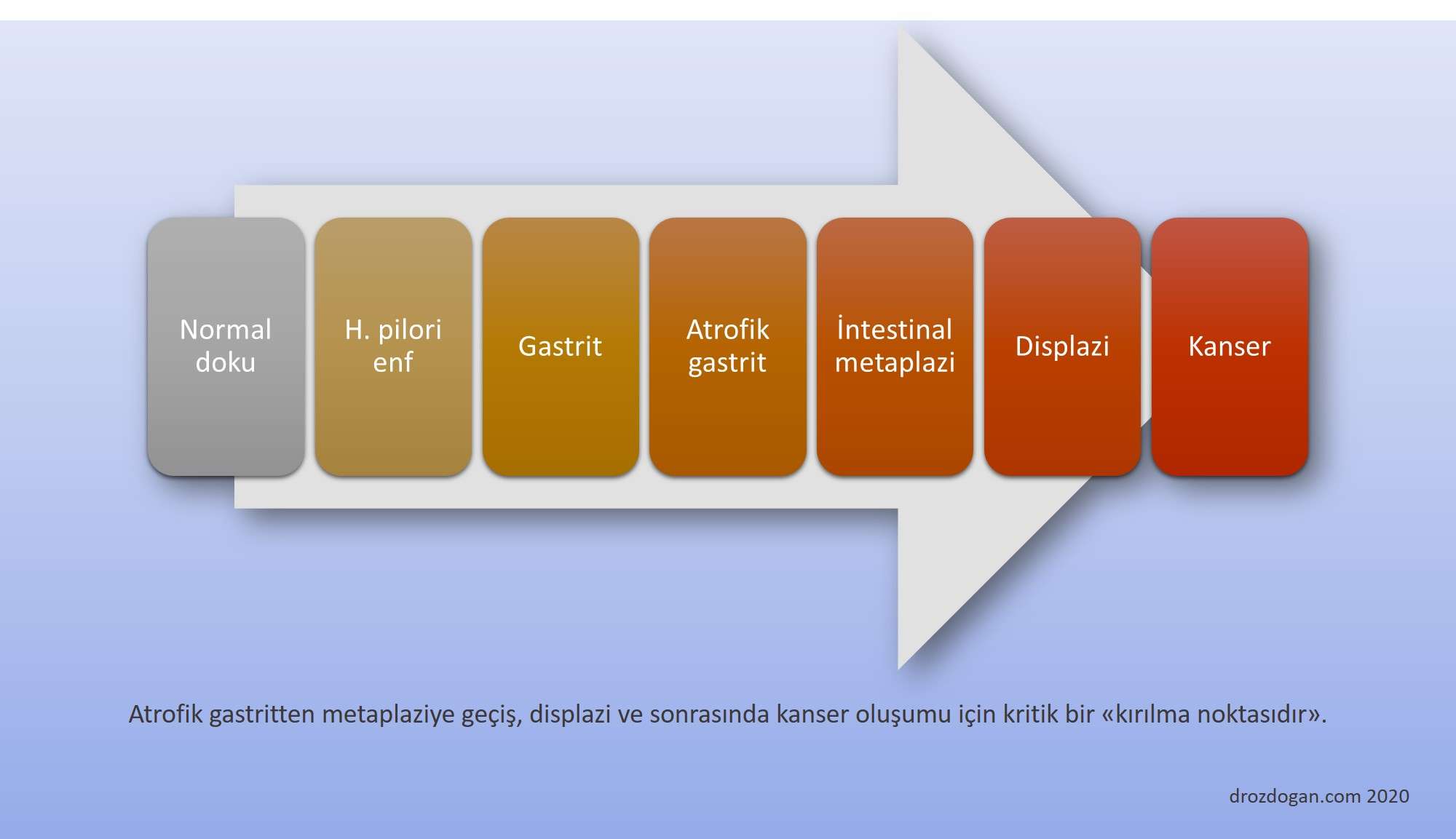
Research shows stomach cancer risk is substantially higher with intestinal metaplasia than in the general population . Some studies, for example, report an increase of approximately 4-6 times . The main concern is therefore a future increase in the likelihood of stomach cancer. However, not every case becomes cancer; many people live healthily with appropriate treatment and monitoring. Critical measures are early diagnosis and halting or slowing progression by eliminating causes.
In summary: Intestinal metaplasia is not cancerbut over time is a precursor that may lead to cancer. Doctors should take it seriously, treat underlying causes, and monitor regularly.
Symptoms of Intestinal Metaplasia
There are no distinctive symptoms specific solely to intestinal metaplasia. Most cases are found incidentally during endoscopy and biopsy for another reason. Metaplasia itself produces no directly perceptible complaint. It is a microscopic internal change patients cannot notice directly.
However, symptoms related to underlying causes may occur. For example, the most frequent suspected cause, Helicobacter pylori infection or chronic gastritis may cause digestive complaints. Similarly, when metaplasia develops in people with chronic acid reflux (Gastroesophageal Reflux Disease - GERD), the symptoms actually belong to reflux. Thus, patients may have the following due to underlying gastritis or reflux:
- Stomach or abdominal pain: Pain particularly before or after meals, sometimes severe enough to wake someone at night.
- Indigestion and bloating: Post-meal stomach fullness, bloating, gas, and belching.
- Reflux symptoms: Bitter-sour taste, burning in the chest (heartburn), dry cough, hoarseness, or sore throat from acid leakage.
- Nausea and vomiting: Occasional nausea or vomiting episodes.
- Loss of appetite and weight: Reduced appetite and unintended weight loss from persistent digestive problems.
- Early satiety: Feeling full after little food and being unable to continue, possibly due to inflammatory stomach-lining changes.
Symptoms can vary from person to person and often remain mild. It is important to emphasize again that these symptoms arise not from intestinal metaplasia itselfbut generally from conditions causing it, such as gastritis, ulcers, or reflux . Some patients have no symptoms, and endoscopy alone reveals the condition. If one or more complaints occur, especially persistently, seek care promptly. Early endoscopy can identify their cause and changes such as intestinal metaplasia.
Causes and Risk Factors of Intestinal Metaplasia
The exact cause is not fully understood. Research identifies several risk factors. The chief common elements preparing gastric cells for intestinal transformation are chronic inflammation and irritation. Major causes and risk factors include:
- Helicobacter pylori (H. pylori) infection: This bacterium causes prolonged gastric mucosal inflammation and is considered the strongest risk factor. More than approximately %50 of people worldwide harbor H. pylori. Not every infection causes metaplasia, but in people carrying H. pylori chronic gastritis may progress over years to atrophic gastritis , thinning of the stomach wall, followed by intestinal metaplasia. Active H. pylori infection is found in a significant proportion of diagnosed patients.
- Genetic predisposition: A family history of chronic stomach problems or stomach cancer may increase similar problems and metaplasia risk. Genetics can make some people's gastric mucosa more sensitive to environmental damage.
- Lifestyle and environmental toxins: Smoking causes long-term gastric and esophageal mucosal injury, increasing metaplasia risk. Smokers have greater likelihood of both gastric and esophageal Barrett metaplasia. Tobacco smoke, including passive exposure, can damage mucosal cells. Continual intake of harmful chemicals, such as heavy metals or toxins, may also trigger gastric cell changes.
- Dietary habits: Excessive consumption of highly salted foods, preserved foods, and processed meats may irritate the stomach wall and increase risk. High-salt populations, such as some Asian countries, have more stomach cancer and precursor lesions.
- Alcohol consumption: Excessive intake repeatedly irritates and inflames gastric mucosa, encouraging chronic gastritis and indirectly metaplasia.
- Chronic reflux and gastritis: Longstanding acid reflux into the esophagus may cause intestinal metaplasia called Barrett, while chronic gastric gastritis facilitates gastric cell transformation. Persistent acid contact may make cells change type for protection.
- Older age: The mucosa encounters irritants for years, accumulating injury. After the 50s, particularly the 70-80s, H. pylori prevalence and metaplasia increase. Rare in youth, intestinal metaplasia is detected more often later in life.
Risk factor exposure does not guarantee metaplasia but increases its likelihood. Especially H. pylori infection, smoking, and high salt intake are preventable risks whose control may prevent onset or progression. Healthy eating, avoiding smoking, and H. pylori screening-treatment when possible are key protective steps.
Diagnosis of Intestinal Metaplasia
Intestinal metaplasia is diagnosedthrough endoscopic examination and tissue biopsy. Suspicion often arises during gastroscopy, endoscopic stomach examination performed for symptoms. The gastroenterologist examines the stomach carefully and takes small tissue biopsies from suspicious areas. Even without a suspicious area, longstanding gastritis may prompt a precautionary biopsy to check microscopic changes.
Gastric biopsy specimens are examined in pathology laboratories. The pathologist evaluates cells microscopically for signs of intestinal-type transformation . Goblet cells , mucus-producing cells normally in the intestine, are characteristic. Special stains make them clearer. A commonly used pathological technique is called PAS-AB staining (Periodic Acid-Schiff & Alcian Blue) . So, what is PAS-AB? It is a chemical staining technique revealing intestinal-type mucus-producing cells in gastric biopsy specimens. PAS-AB staining colors intestinal goblet cells blue-turquoise, distinguishing them from surrounding gastric cells and confirming diagnosis. A report stating “PAS-AB-positive goblet cells observed” means intestinal metaplasia areas were identified.

Diagnosis also requires Helicobacter pylori detection . Endoscopic samples can undergo special H. pylori stains or rapid urease tests. Alternatively, before or after endoscopy, a patient may receive an H. pylori breath test, stool antigen test, or blood serology. Detecting H. pylori matters for metaplasia because it influences treatment planning.
In summary, suspected intestinal metaplasia or longstanding gastritis requires endoscopic assessment and biopsy, allowing early detection of metaplastic areas. Regular endoscopic follow-upis recommended, particularly in extensive metaplasia, to detect future dysplastic, near-cancer changes promptly. Frequency depends on risk factors, extent, and medical assessment; some experts suggest endoscopy every 2-3 years for extensive metaplasia with negative H. pylori.
Treatment of Intestinal Metaplasia
Unfortunately, no guaranteed treatment completely eliminates intestinal metaplasia. No medication or intervention directly restores altered cells to their original state. The main approach is to eliminate underlying causes, reduce gastric inflammation, and try to stop or slow metaplasia progression. Main treatments and follow-up methods are:
- Helicobacter pylori Eradication (Antibiotic Treatment): If H. pylori infection is detected, the primary treatment is eliminating this bacterium. Eradication generally combines 2 or 3 different antibiotics with an acid-suppressing proton pump inhibitor. Your doctor may prescribe an approximately 14-day triple or quadruple antibiotic course. Common examples include amoxicillin, clarithromycin, metronidazole and/or tetracycline . Eliminating H. pylori substantially improves chronic gastric inflammation and reduces progression risk. Antibiotics must be prescribed and medically supervised, taken regularly, and not stopped halfway. A post-treatment test may confirm clearance.
- Acid-Suppressing and Gastric-Protective Treatment: Excess acid or mucosal contact can increase injury and encourage metaplasia. Patients therefore often receive proton pump inhibitors (PPIs) to reduce acid. Examples include omeprazole, lansoprazole, pantoprazole , which suppress acid and allow healing. This also relieves gastritis or reflux and helps prevent further metaplastic injury. Depending on your condition, treatment may be short- or long-term. Because prolonged PPI use can cause adverse effects, dose and duration require regular medical review.
- Endoscopic Follow-up and Intervention: Regular endoscopic monitoring matters. If findings indicate dysplasia, markedly abnormal cellular changes , intervention before cancer becomes possible. Larger biopsies are taken from suspicious areas. Dysplastic or early cancerous foci may be removed through endoscopic mucosal resection (EMR) or endoscopic submucosal dissection (ESD) , preventing early progression to cancer. Extensive high-risk metaplasia may require more frequent monitoring.
- Diet and Lifestyle Changes: Dietary adjustments and lifestyle measures protecting gastric mucosa and digestive health are important treatment components, discussed next.
In conclusion, the main treatment goal is treating factors causing cellular change and minimizing risks. Eliminating H. pylori, controlling excess acid, improving diet, and stopping smoking may keep metaplasia stable. Thus, even without potential for reversal, progression to cancer may be prevented or substantially slowed. Your doctor will determine an individualized plan and monitor stomach health regularly.
Diet and Lifestyle Recommendations for Intestinal Metaplasia
For someone diagnosed, proper nutrition and a healthy lifestyle are very important. Though not reversing metaplasia alone, these changes can protect mucosa, reduce progression, and improve gastric health. Scientists continue studying dietary effects, but general recommendations are:
- Eat Mainly Vegetables and Fruits: Fresh produce, leafy salads, and high-fiber foods benefit stomach health. Vitamin C- and antioxidant-rich produce may reduce inflammation. Include broccoli, cauliflower, carrots, apples, and citrus fruits.
- Avoid Excess Salt: Limit pickles, preserved foods, soy sauce, packaged chips, and crackers. Reduce added salt. High salt irritates the stomach, worsens H. pylori infection, and increases metaplasia risk. Reducing salt also lowers long-term stomach cancer risk.
- Limit Processed and Smoked Foods: Nitrite/nitrate additives in processed meats such as sucuk, sausages, and salami and heavily processed or smoked foods can harm the stomach, affect acid, and become carcinogenic compounds. Prefer natural, minimally processed foods. Replace red meat with fish, chicken, or plant proteins such as legumes.
- Avoid Fatty and Fried Foods: Fried and heavy fatty meals impair digestion and may worsen reflux, especially in metaplasia patients. They facilitate acid entering the esophagus and increase irritation. Prefer light boiled or baked meals.
- Be Careful with Spicy and Acidic Foods: Very hot, spicy foods or sour pickles and vinegar may upset sensitive stomachs. Limit them if they trigger heartburn or pain. Tolerance varies; listen to your body.
- Eat Probiotic-Rich Foods: Yogurt, kefir, and sauerkraut may balance gastric and intestinal flora and help reduce H. pylori harm. Yogurt also contains substances potentially reducing gastric inflammation.
- Quit Smoking and Avoid Alcohol: Smoke toxins directly damage stomach cells and delay healing. One of the best healing steps after diagnosis is quitting smoking . This significantly reduces metaplasia and possible stomach cancer risks. Avoid especially frequent, heavy alcohol consumption; with metaplasia, restrict alcohol as much as possible.
- Regular, Balanced Meals: Rather than long fasting followed by large meals, eat moderate portions regularly. This prevents excessive distension and balances acid. Avoid eating near bedtime, stopping at least 2-3 hours beforehand, to reduce reflux.
- Healthy Weight and Exercise: Excess weight increases abdominal pressure and may encourage reflux. Maintain ideal weight with balanced eating and regular light exercise. Exercise also strengthens immunity, supporting infection control against H. pylori.
Lifestyle and dietary changes are indispensable to management, aiming to reduce gastric inflammation, minimize cellular damage , and support digestive health. Everyone differs, so discuss dietary changes and supplements with your doctor. The general principle is eating natural, fresh foods, avoiding excess, and abandoning harmful habits . Following this principle may make it possible to slow progression of metaplastic foci and prevent the development of new damage.
Frequently Asked Questions
Question: Does Intestinal Metaplasia Heal? Can It Disappear Spontaneously?
Answer: Unfortunately, affected gastric tissue generally does not return completely to normal spontaneously. Once foci develop, cells do not magically revert. Appropriate treatment, such as H. pylori eradication and acid suppression, can stop or slow progression. Some studies suggest partial improvement in very early metaplasia with intensive antioxidants, such as vitamin C, or prolonged anti-inflammatory treatments, but evidence is not conclusive. What matters is preventing progression to cancer and preserving gastric health through treating causes and monitoring. Saying metaplasia fully “heals” is inaccurate, but it is controllable.
Question: Is Intestinal Metaplasia Cancer? Does It Become Cancer?
Answer: No, intestinal metaplasia is not cancer. However, it is a lesion with potential to become cancerous , considered a step or predisposing setting. Dysplasia and cancer risk are higher than in normal gastric mucosa. Therefore, rather than ignoring it, take it seriously and monitor closely . Appropriate measures keep it controlled without cancer in many people. In summary: Intestinal metaplasia = not cancer, but if neglected and risk factors persist → cancer risk exists. Following medical recommendations and checkups is crucial.
Question: What Is PAS-AB? How Does It Relate to Intestinal Metaplasia?
Answer: PAS-ABstands for “Periodic Acid-Schiff & Alcian Blue,” a special pathological tissue staining technique. Gastric biopsies use it to reveal intestinal-type cellular change . In particular, goblet cells , intestinal mucus-producing cells, become visible. PAS-AB stains their mucus blue-green in metaplastic areas, helping pathologists definitively detect intestinal metaplasia. Briefly, PAS-AB is a laboratory stain used to confirm intestinal metaplasia diagnosis. Its mention in your report means the technique investigated metaplasia findings.
Question: Can Intestinal Metaplasia Be Completely Prevented?
Answer: Preventing it %100 may not always be possible because uncontrollable factors such as genetics and accumulated injury also contribute. However, preventive measures can substantially reduce risk. For example, early treatment of Helicobacter pylori infection, healthy eating, stopping smoking, and avoiding excess alcohol and salt protect mucosa. With chronic gastritis, regular review and prescribed medicines may also prevent metaplasia. Measures can therefore reduce likelihood. Particular caution is advised with family stomach cancer history or known H. pylori infection.
Question: Which Doctor Should Be Consulted for Intestinal Metaplasia?
Answer: Diagnosis and treatment are generally managed by Gastroenterology specialists. Consult a gastroenterologist first for gastric complaints. If necessary, endoscopy establishes diagnosis and treatment planning. During treatment and follow-up, biopsy-assessing Pathology specialists also play a critical diagnostic role. If later endoscopic treatment or surgery is needed, General Surgery and Surgical Oncology specialists may become involved. Gastroenterology is the correct initial department for stomach complaints.
Conclusion and Recommendations
Intestinal metaplasiacauses no symptoms as a disease by itself but may signal future stomach cancer development . It usually results from years of irritation such as H. pylori, chronic gastritis, reflux, or smoking. When caught early, proper treatment and lifestyle changes can control it and prevent deterioration.
Remember, a diagnosis is an alarm, but there is no need to panic. Follow medical advice precisely, use prescribed treatments such as H. pylori antibiotics and gastric protection regularly, and eliminate risks. Regular endoscopy is vital for early detection of deterioration.
Our advice is to make diet and lifestyle healthier and live in a stomach-friendly way. This is an excellent investment not just for metaplasia but overall health.
As with all health information, this is general guidance. Consult your doctor for decisions specific to your health. With early diagnosis and correct treatment, intestinal metaplasia is manageable. Caring for your stomach and not ignoring symptoms can prevent future problems.
Was this article helpful?
Your feedback helps us improve our content.




Reader comments
Share your comment
Your name and comment are published only after administrator approval. Your email address is never shown to visitors.
Be the first to comment.