
What Symptoms Can Persist for Up to 7 Months After Covid-19?

In this article
Beginning to spread from China in December 2019, the SARS-CoV-2 virus causes Covid-19 disease, which increasingly affected the entire world, and this was declared a pandemic. Many studies have been conducted, and continue to be conducted, to understand, treat and prevent this virus that has shaken the world.
During the pandemic, public attention focused particularly on very severe or fatal cases. However, recent research shows that some patients who initially had mild Covid-19 have a wide variety of symptoms and, contrary to expectations, these symptoms persist over the long term.
- Related topic: 50 long-term symptoms of Covid-19
Long Covid-19 and Its Surprising Effects
Early in the pandemic, the group experiencing long-term symptoms was described as having “Long Covid” or being “Long Haulers.” However, there are still not enough studies on this group. Relatively little is known about symptom severity, the expected clinical course of the disease, its effects on daily activities and a person's return to health. In addition, no common definition of Long Covid has yet been agreed upon.
In a study of people with long-term symptoms, Long Covid was defined as symptoms that develop during or after the illness in a person with confirmed or suspected disease and persist for more than 28 days. This definition is similar to the definition of “post-Covid conditions” used by the US Centers for Disease Control and Prevention (US-CDC).
To better describe the experiences and recovery processes of confirmed Covid-19 cases, this study investigated symptoms in Covid-19 cases occurring between December 2019 and May 2020 and presented the results of a survey analyzing symptoms over 7 months.
Table: Types of tests performed on participants and numbers of results
|
Type of test used to detect SARS-CoV-2* |
Number of participants tested |
Percentage of participants tested** |
Number of participants with positive results |
Percentage of participants with positive results** |
|
Diagnostic (RT-PCR / antigen) |
2330*** |
61.9% |
600 |
15.9% |
|
Antibody (IgG, IgM or both) |
2166 |
57.6% |
683 |
18.2% |
|
Diagnostic (RT-PCR / antigen) or antibody |
3121 |
83% |
1020 |
27.1% |
* Some participants underwent both molecular diagnostic tests (RT-PCR / antigen) and antibody tests. These participants are included in all rows.
** Percentages were calculated using the total number of people who responded to the survey (3762).
*** A total of 2362 people underwent diagnostic testing, including 32 with inconclusive or pending results.

Figure 1: Probabilities of symptoms expected to be observed over the long term in patient groups classified by the types of tests performed and their results.
a) Probability of having symptoms a certain time (T) after the illness.
b) Probability of symptom severity scores over time from the onset of illness.
c) Average numbers of symptoms over time in people who recovered in less than 90 days or had symptoms for more than 90 days.
Blue: Those who tested negative on both molecular diagnostic tests (RT-PCR/antigen) and antibody tests.
Orange: Those who tested positive on molecular diagnostic or antibody tests.
Green: All responses.
The study investigated neuropsychiatric (Figure 3) and non-neuropsychiatric (Figure 2) symptoms in two categories, totaling 203 symptoms. For 74 symptoms, participants were asked when they experienced them (weeks 1-4, months 2-7). For the remaining 131 symptoms, they were asked whether they had developed these symptoms during the course of the illness.
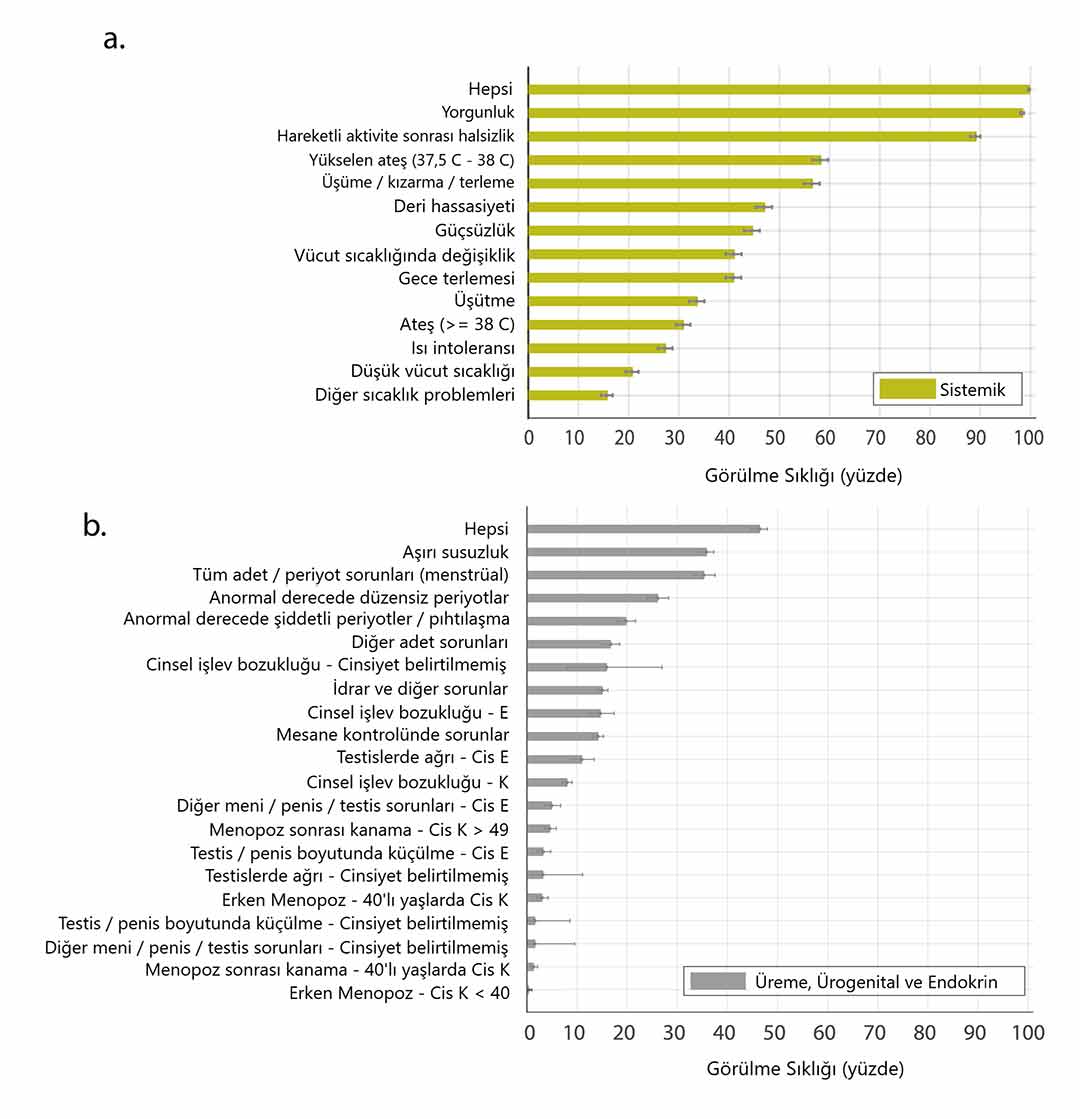


Figure 2: Non-neuropsychiatric symptoms and their frequencies as percentages.
Cis = Sexual dysfunction
E = Male
K = Female


Figure 3: Neuropsychiatric symptoms and their frequencies as percentages.
Conclusion
The survey results of this most comprehensive study conducted during the Covid-19 pandemic show that Long Covid generally affects multiple organ systems. Many of the reported Long Covid symptoms also resemble those of Mast Cell Activation Syndrome (MCAS). On this basis, further research could investigate the role of mast cells in Long Covid.
Dysautonomia, including Postural Orthostatic Tachycardia Syndrome (POTS) and Myalgic Encephalomyelitis / Chronic Fatigue Syndrome (ME / CFS), appears to be a highly likely diagnosis in these groups.
After completing the survey, 155 participants were diagnosed with POTS and 118 with ME/CFS. Among participants who reported tachycardia (palpitations), 33.9% had an increase of at least 30 bpm on standing measurements, suggesting possible POTS. In light of these observations, screening for POTS is recommended for people experiencing symptoms such as tachycardia, dizziness, brain fog or fatigue.
The study's investigation of ME/CFS assessed whether people's symptoms worsened after physical and mental activity. For ME/CFS, Post-Exertional Malaise (PEM) is an important phenomenon, and a high rate of PEM was identified. Fatigue also remained a common symptom in people who did not experience PEM at month 6.
The study also focused on neurological symptoms and found that more than 88% of participants experienced problems with memory and cognitive function. This could be a sign of more serious neurological problems involving both the central and peripheral nervous systems.
- Related topic: New data on cognitive and brain problems after Covid-19
Sources
Was this article helpful?
Your feedback helps us improve our content.


Reader comments
Share your comment
Your name and comment are published only after administrator approval. Your email address is never shown to visitors.
Be the first to comment.