
Avicenna's Genius in Pharmacology and Nutrition Where Surgery Reaches Its Limits

In this article
Day 31 (The History of Cancer in 365 Days Series)
Where the knife could not reach, Avicenna's intelligence came into play. Herbs that cleared burnt bile, minerals that cauterized tumors, and the vision of holistic treatment inherited by today's oncology.
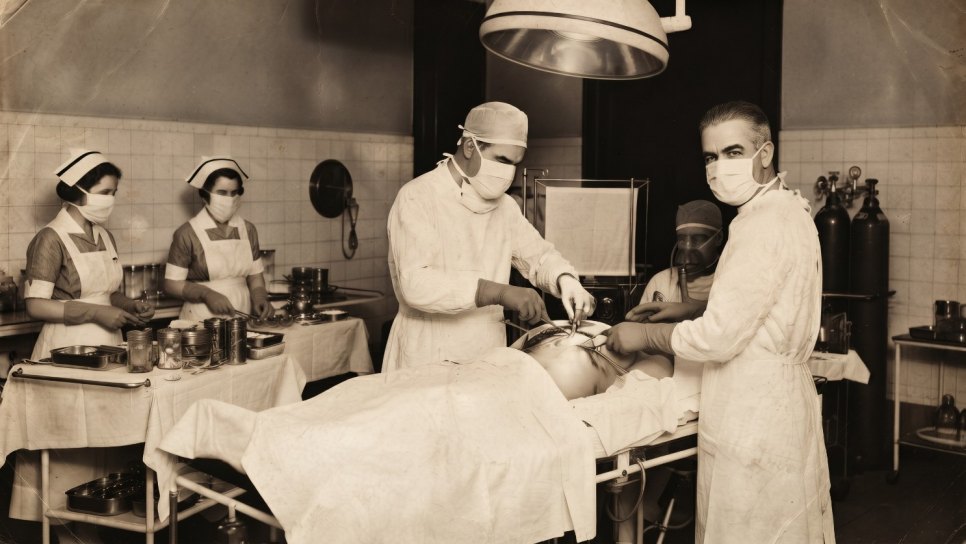
In the final installment of our Avicenna series, we turn to what may be the most sophisticated pages of The Canon of Medicine. Surgery (Part 2)was intended to remove the visible enemy. But Avicenna knew that cancer was not merely that swelling: it was a systemic poison spread throughout the body by black bile. The surgeon's knife alone could not fight this hidden enemy; nature's pharmacy and the wisdom of the kitchen were needed.
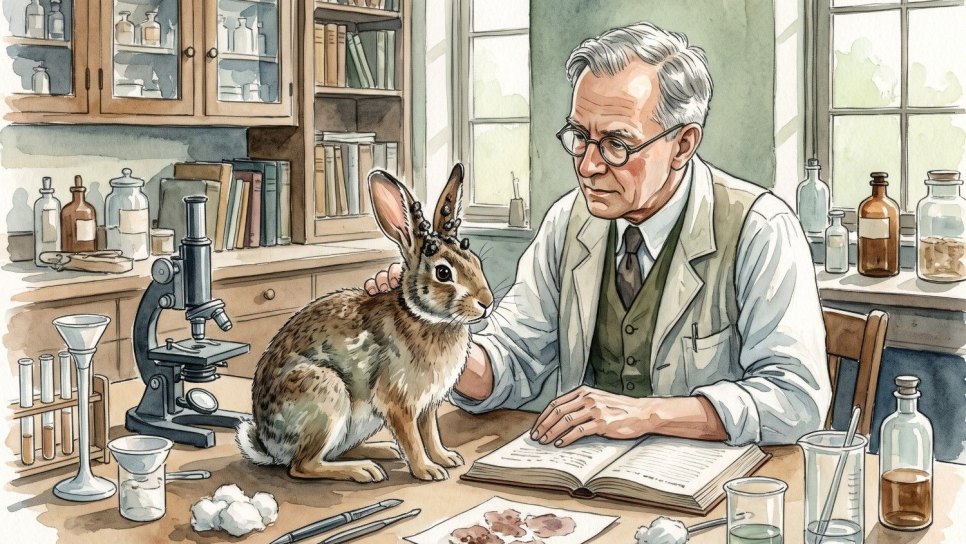
Avicenna's pharmacological approach was a primitive but surprisingly logical prototype of the chemotherapy (cytotoxic medicines) and palliative care (painkillers) we use today. He used plants not merely as herbs but as molecular weapons.
Nature's Pharmacy: Poison and Antidote
Book 5 of The Canon (the Aqrabadhin) is full of complex prescriptions prepared for cancer treatment. Avicenna's strategy had three pillars: shrinking the tumor, relieving pain, and expelling black bile from the body.
The liver's best friend. Avicenna used it to clear obstructions in the liver, which he regarded as the source of black bile. Modern science is now finding antitumor compounds in chicory.
A deadly poison, but a medicine in skilled hands. It was used in low doses to burn ulcerated, decaying tumors and chemically cauterize tissue.
The medicine of compassion. It was indispensable to Avicenna for relieving the unbearable pain of patients with advanced cancer. It was a precursor to palliative care.
The Battle in the Kitchen: You Are What You Eat
For Avicenna, cancer treatment began in the kitchen. Since the disease had a cold and dry nature (black bile), patients should restore balance by eating warm and moist foods. Here is the anticancer diet from a thousand years ago:
These foods thicken the blood and produce black bile:
- Beef (Especially from Older Animals)
- Salted and Dried Meats
- Lentils and Cabbage
- Salty, Aged Cheeses
These foods thin the blood and moisten the body:
- Fresh Fish (Boiled)
- Soft-Boiled Egg Yolk
- Chicken Broth
- Figs, Almonds and Fresh Fruit Juice
An Echo Across a Millennium: Avicenna's Legacy
When Avicenna died in 1037, he left not just books but a way of thinking. His approach to cancer embodies the concept that modern medicine is rediscovering today: holistic oncology (integrative oncology).
“If I were stranded on a desert island, the only medical book I would take would be The Canon.” — Sir William Osler
Today we know that what Avicenna called burnt bile is, in fact, chronic inflammation and oxidative stress. His dietary advice, avoiding processed meat, corresponds exactly to today's World Health Organization (WHO) recommendations for cancer prevention. Beyond technology, his legacy lies in his approach to the patient.
DROZDOGAN Academy Commentary
As we conclude our Avicenna series, we see that, as a “physician-philosopher”, he regarded cancer not merely as a tumor but as a disruption of the balance of body and soul. By combining surgery (the knife), medicines (herbs) and diet (food), he established history's first multidisciplinary tumor board in his own mind. Today, although we oncologists work with genetic maps and targeted medicines, we are moving toward the fundamental goal Avicenna showed a thousand years ago: healing the person, not the disease.
- Avicenna's Canon of Medicine, Book V (Pharmacopoeia).
- Dietary Recommendations in Traditional Persian Medicine for Cancer.
- Anticancer effects of Cichorium intybus (Chicory): A review.
Was this article helpful?
Your feedback helps us improve our content.


Reader comments
Share your comment
Your name and comment are published only after administrator approval. Your email address is never shown to visitors.
Be the first to comment.