
BILL OF RIGHTS FOR CANCER PATIENTS – 10 Principles for High-Quality Care

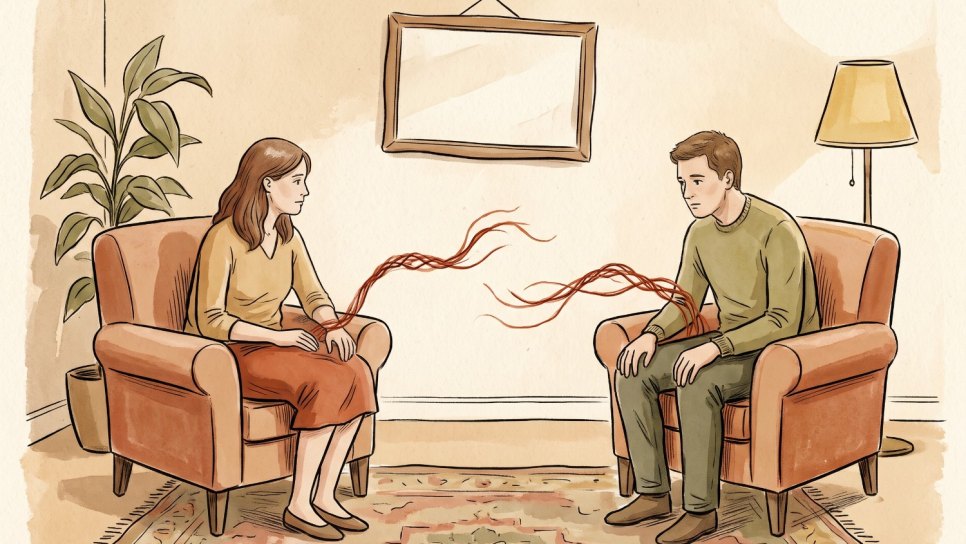
Despite oncologists’ efforts, there is a gap in the provision of high-quality cancer care. A rough mathematical expression of this gap is the difference between what patients expect and what the healthcare system provides.
Studies evaluating the experiences of people with cancer identify several gaps in care processes, including the following:
- Delays in appointments to begin planned interventions
- Lack of coordination between doctors
- Unclear answers about the diagnosis
- Patients also report concerns such as the lack of an approach to daunting financial difficulties.
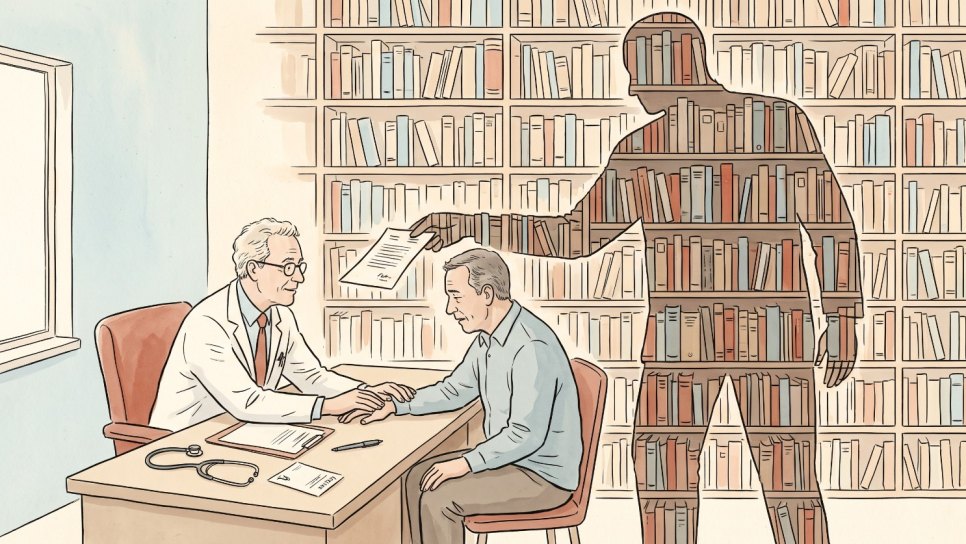
Improving current conditions in cancer care requires changes throughout the system. It is far too large a task for an oncologist to tackle alone. Joseph O. Jacobson, who serves as a quality officer at the Cancer Institute at Harvard Medical School and is responsible for patient safety and care quality in oncology, and his team are working to close this gap. Jacobson and colleagues created and published a bill of rights for cancer patients entitled "10 principles for excellence in patient-centred cancer care", setting out the rights of these patients.
This bill of rights aims to establish good communication between the oncology team and the patient.
The bill of rights was developed using information obtained from oncologists, people with cancer, caregivers and cancer survivors.
The authors stated that the document provides "a starting point for a much larger effort".
"These efforts will require comprehensive changes in approaches to the course of disease. This means retraining doctors and other staff to achieve a truly team-based approach."
These 10 principles, which represent the rights of a person with cancer, can only be achieved by establishing effective healthcare systems.
10 Principles for a Cancer Patient Bill of Rights
The list of rights offered to people with cancer is based on the following goals for excellence in patient-centred cancer care:
1. Risk reduction
Based on the best available knowledge, individuals have the right to education about reducing cancer risk and to advice about screening to detect cancer early, including counselling on having such screening performed.
2. Diagnosis
Patients with suspected cancer have the right to timely access to relevant specialists, prompt diagnostic testing and access to interpretations of results shared with the doctors involved.
- Related topic: What imaging (radiology) tests are used in cancer?
3. Multidisciplinary expertise
Patients diagnosed with cancer have the right to care informed by a multidisciplinary team’s input into treatment planning.
4. Treatment
Patients have the right to adequate information about treatment options, presented in understandable language and taking their priorities and values into account. They have the right to answers to all their questions, including the prognosis (how the disease is expected to progress). Patients are entitled to up-to-date information about relevant clinical trials and have the right to obtain access to these studies.
4. Second opinion
Patients have the right to seek a second opinion at any point during their cancer journey.
- Related topic: Why is it important to obtain a second opinion after a cancer diagnosis?
5. Coordinated care
Patients have the right to receive all investigations and treatments in a timely and coordinated manner.
6. Communication
Patients have the right to know how communication works within the team overseeing their care.
- Related topic: How should patients, their loved ones and doctors communicate?
7. Supportive and ancillary services
Patients have the right to supportive and ancillary services addressing cancer-related health problems (emotional changes, pain and side effects) and personal difficulties (financial management and caregiving support). To help them move from active treatment to follow-up care, patients have the right to psychological counselling and other services that support this transition.
8. Privacy
Patients have the right to have their privacy protected by every member of the team and support staff.
9. Follow-up
Patients have the right to a treatment summary and information explaining how the disease will be monitored after treatment, the chances of recurrence, which symptoms to look for and whom to contact when they need help.
10. Kindness in Cancer Care
Another study conducted before this bill of rights showed that, in situations involving stress and many tasks to complete in little time, attentive patient care can reduce the emotional distress caused by a cancer diagnosis and treatment. This may also improve patients’ treatment outcomes and make doctors less exhausted. Berry and colleagues say that compassionate cancer care involves 6 different types of kindness. These include:
- Deep listening,
- Empathy,
- Generosity,
- Timely care,
- Gentle honesty, and
- Companion / caregiver support.
The researchers conducted a study reviewing care at cancer centres in the USA and Australia. During this process, they interviewed 400 patients, families, oncologists and cancer care staff.
In an interview, Berry said that providing advanced cancer care "becomes difficult amid the rush of the day, and it can be easy to forget kindness. We wanted to offer this approach to oncology patients by defining it scientifically, without being sentimental or insincere," he commented.
He said that many fields encourage the goal of excellence in cancer care. "However, if you want examples of the most humane cancer care in the world, you need look no further than paediatrics."
Caring for frightened children and families has led paediatric oncologists and nurses to develop "truly clever and kind" solutions. For example, at a paediatric cancer centre, children were encouraged to put their teddy bears into a mock MRI scanner before their procedure. A subsequent study showed that the proportion of children requiring anaesthesia before an MRI fell significantly following what Berry called "this generous discretionary effort", the practice introduced at the centre.
In their article, the authors detail the 6 types of kindness and how they strengthen a culture of compassionate cancer care.
Deep listening
They say that taking time to understand the needs of patients and families by using simple, open-ended questions builds trust and respect. This means asking patients how they understand their prognosis (the likely course of their disease) and about their concerns over what lies ahead.
They learned that, at Brigham Hospital in Boston, intensive care nurses routinely ask patients: "What is the most important thing we can do for you today?", as part of their care.
Deep listening helps doctors avoid "the hidden costs of not listening", which can otherwise affect care. "Deep listening should lead to treatment plans that work better for the values of patients and families. If you listen, you are more likely to get it right."
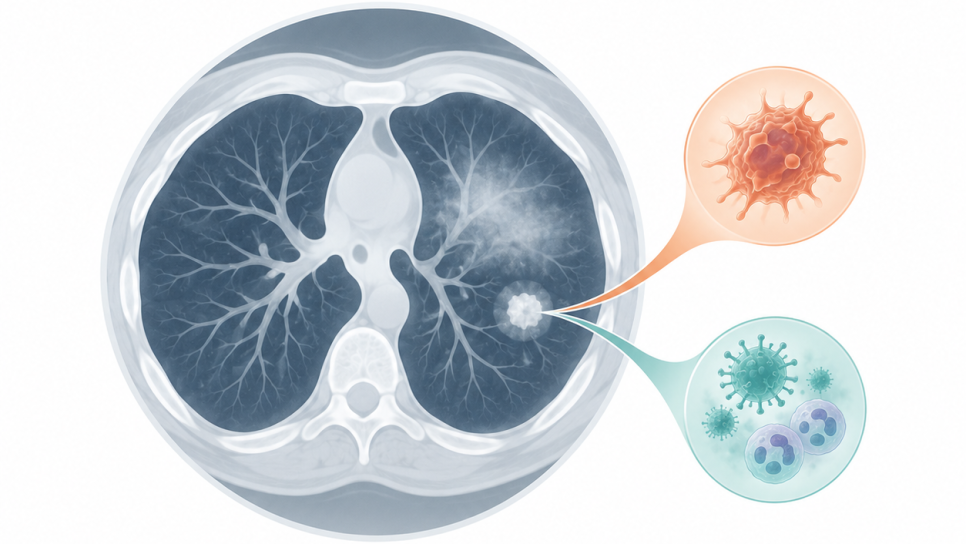
Deep listening is also very important for patients receiving lifelong cancer care. For example, through deep listening, a frail older patient with advanced lung cancer was allowed to move from active treatment to treatment aimed at improving quality of life (palliative care). The person lived for 3 months but, during that time, was able to fulfil the dream of going on the Hajj pilgrimage to Mecca with their family.
Empathy
Seeing things from the patient’s perspective and responding to emotions without judgement is a compassionate approach that prevents avoidable suffering. Any serious illness involves suffering, but a care team can reduce avoidable distress by understanding the emotions stirred by diagnosis and treatment and then responding with kindness.
For example, at the Peter MacCallum Radiation Centre in Victoria, Australia, anxious children awaiting cancer treatment can choose a superhero costume to wear to their appointments.
Timely care
The intensity of emotion patients experience after a cancer diagnosis may heighten their sense that immediate action is needed. Delays in scheduling clinic appointments and treatment dates or obtaining test results can increase uncertainty and feelings of powerlessness. The researchers say that, for parents of children with cancer, receiving a treatment plan and establishing a routine "greatly reduces stress and anxiety". The sooner we give them the information they need, the calmer they can become.
The review also showed that some cancer centres invested in methods to improve timely care despite the additional costs. Examples include:
- Direct contact with an assigned patient navigator;
- A multidisciplinary clinic day when patients discuss their treatment plans with every member of the care team and schedule appointments;
- An out-of-hours call centre staffed by nurses with access to the patient’s medical records, who can answer questions, book appointments or send a doctor to the patient’s home.
The researchers noted that increasing opportunities for patients to obtain information through convenient cancer services, such as an e-learning website, telemedicine and video-conference visits, could also improve the timeliness of effective care.
Gentle honesty
In an interview, an oncologist noted that patients and their doctors are "too often" excessively optimistic. Patients and doctors need a sound grasp of reality to make good decisions.
When cancer progresses and the chance of remission is low, doctors should convey the truth directly, using carefully chosen words that guide patients towards "intrinsic hope".
As an example, the study’s authors suggest that patients whose pain is well managed may choose to enjoy a good day surrounded by beloved family members, with a young grandchild or a pet on their lap.
Support for the companion / caregiver
Studies show that family caregivers need support both to care for their loved ones and to keep themselves healthy. Berry said, "If a family is prepared to care well for patients with cancer during treatment, it also helps them cope."
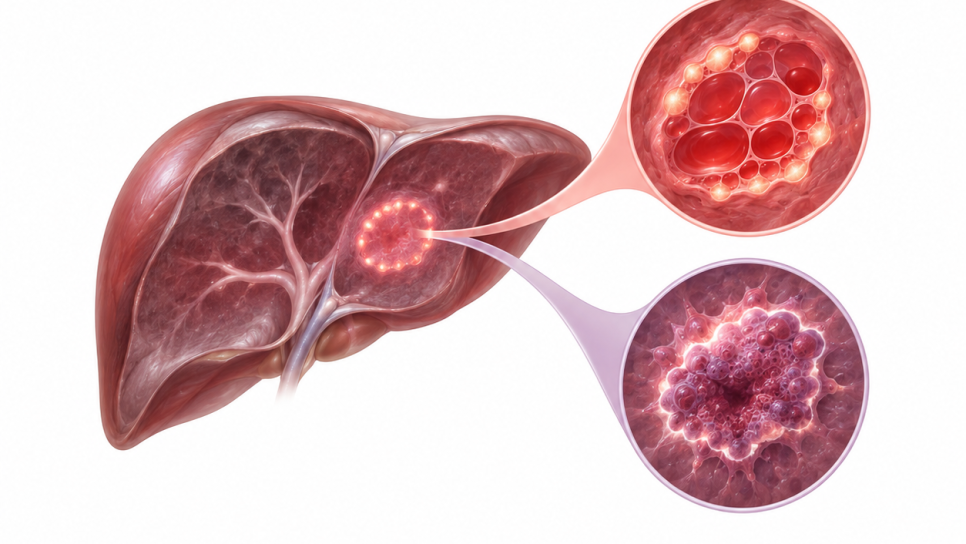
According to Rana LA Awdish, a study author and medical director of the pulmonary hypertension programme at Henry Ford Hospital in Detroit, individual acts of compassion can be equally powerful. She recalled developing a condition that caused bleeding in her liver in 2008, resulting in multiple organ failure and the loss of her baby while she was pregnant. Her husband slept at her bedside while she was in intensive care.
"Rather than disturb his sleep, the radiology technicians gently covered him with a lead apron while taking my X-ray", she recalled. "This quiet awareness of my husband’s needs was so simple, but it meant everything to us. It meant they recognised his suffering."
However, while enduring five major operations and multiple hospital admissions, Awdish also experienced care that seemed casual and indifferent. At times she felt there was no empathy at all. As a result, she became an advocate for training in patient communication, so that healthcare professionals can communicate more effectively and empathetically with their patients.
Kindness towards oneself to prevent burnout
Despite doctors’ good intentions, the demands of complex clinical care, alongside financial and institutional stressors, can create barriers to compassionate care. Paradoxically, doctors who overcome these barriers often succumb to "compassion fatigue".
What, then, can oncologists do to prevent burnout? "Oncology is a particularly difficult profession," Berry said. "There is no magic solution here."
He added that the best things doctors can do "all fall under the heading of ‘take care of yourself’. If you do not, you will gradually lose the ability to care for others."
Kindness is not only an important antidote to the stress felt by patients and families; it also acts as a buffer between doctors and their sources of stress. Kindness can help maintain resilience when doctors feel exhausted or a patient experiences a setback.
"Compassionate physicians suffer," Berry said. "It is not easy to enter an examination room with laboratory results showing that chemotherapy is not helping and have to tell a patient who has waited 4 days that their tumours have grown."
Doctors need to work as a team to discuss difficult cases and share support offline. Perhaps periodic peer-group sessions, led by another oncologist and a psychiatrist and involving other doctors, will show doctors that they are not alone in their work.
Make time for useful non-clinical activities, such as teaching or conducting a research project. Working with other people, learning from them, publishing an article and speaking at a symposium are examples of ways to achieve balance.
Everyone with a stressful life needs time for regular physical exercise, and doctors are no exception. However, most doctors do not set aside time to exercise. Berry recommends going outside: even a 10-minute walk can help change one’s perspective. It can also bring to mind the importance of one’s work, an upcoming family holiday or time spent with a grandchild. A 10-minute walk acts as a powerful antidote to everything stressful in life.
Sources
Was this article helpful?
Your feedback helps us improve our content.
Reader comments
Share your comment
Your name and comment are published only after administrator approval. Your email address is never shown to visitors.
Be the first to comment.