
Healthy Eating Recommendations for Breast Cancer and Questions About Different Foods

Breast cancer is the most common cancer in women, with many identified risk factors : age, heredity, late menopause (after 55), sex, lifestyle and diet. Studies suggest appropriate nutrition and lifestyle can reduce cancer likelihood even with inherited susceptibility (epigenetics and cancer). Nutrition is important in breast cancer as in many cancers. Obesity from poor nutrition promotes development and is known to reduce survival after diagnosis. Daily energy intake, food frequency and food types therefore matter.
Body Mass Index (BMI)

Unlike other cancers, overweight or obese patients with breast cancer, particularly estrogen-dependent disease, should return to normal weight to reduce fat tissue. However, inadequate intake from chemotherapy side effects such as poor appetite, nausea and vomiting, or bodily catabolism, requires an adapted approach. Determine previous weight and duration of excess weight. High circulating ovarian sex hormones are a breast cancer risk factor.
Fat consumption

Trans fats, imbalanced saturated-to-unsaturated fatty acids and an irregular omega-6 (soy, corn and sunflower oils) to omega-3 (salmon, anchovy, mackerel, flaxseed, canola oil, walnuts) balance alter cell-membrane fluidity.
How excess weight and obesity increase breast cancer risk
Trans fats convert long-chain to short-chain fatty acids in membranes, altering insulin receptor numbers and causing insulin insensitivity (insulin resistance / prediabetes). Obesity-related resistance reduces sex hormone-binding globulins, increasing circulating androgens and estrogens and indirectly increasing risk. Although some studies found no relationship between high fat consumption and cancer consumption, some studies found higher breast cancer risk with fatty diets. Daily fat should not exceed %30 of energy; choose healthy fats. Saturated fat should not exceed %10 daily, while monounsaturated and polyunsaturated fats are recommended at %15-%10 respectively. Choose low-fat dairy, avoid frying because it creates trans fats, and use healthy cooking methods preserving vitamins and minerals. Avoid excessive oil: for 1 kg vegetables, add 2-3 tablespoons. Remove visible meat fat and add no extra fat when cooking meat.
Protein consumption
Proteins are plant- or animal-derived. Examining them individually:
Meat consumption

Studies show processed/red meats such as salami, sausages and sucuk increase cancer development. Processing and cooking produce potentially carcinogenic heterocyclic amines. Inappropriately applied cooking methods, temperatures and times are therefore risk factors. Grilling meat and cancer is another article you may wish to read. Regions with high red-meat consumption, such as North America and Western Europe, have higher rates of certain cancers, including colorectal cancer. More meat also means more saturated fat. As a nutritionally important food, red meat should be consumed in moderation.
Milk and dairy consumption
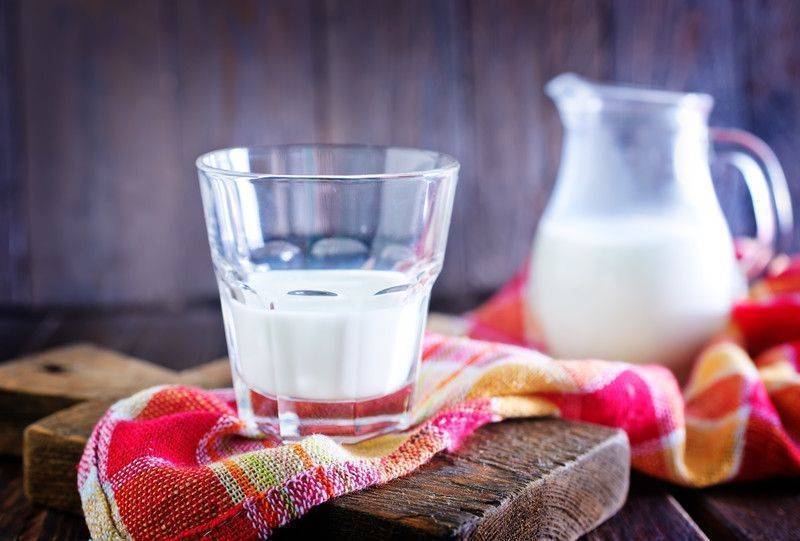
Milk and dairy are good calcium and vitamin D sources. They contain fatty acids, CLA (conjugated linoleic acid), estrogen, casein, whey protein, sphingolipids, CA and vitamin D. A study following 52,062 women for 12 years found no breast cancer association. One controversial idea is increased risk from estrogen ingested with milk; one study found no significant relationship. Lactose is also discussed: digestion increases intestinal calcium absorption and raises glucose slowly. A study suggested low-fat dairy protects against cancer. Daily 2-3 portions of low-fat or fat-free dairy are recommended. We are also asked whether milk suits adults and whether they can digest its lactose. The gene encoding the lactose-digesting enzyme, the lac gene , exists in everyone and remains active throughout life. Adults can therefore digest milk. Lactase becomes active constitutively—continuously in small amounts—even independently of milk consumption. The scientific basis of “adults cannot digest milk” concerns people with variants (single-nucleotide changes) in certain genes. Sometimes one allele fails, reducing lactase and causing lactose intolerance. Variants are generally more common in Northern European countries such as Finland and Norway.
Phytoestrogens

Phytoestrogens, plant estrogens, are concentrated in soy and similar foods. Although present in legumes, soy products contain the most. Some interact with estrogen receptors, producing one-third of estrogen’s effect. Studies report protection by preventing breast-tissue vascularization. Flaxseed lignans also have phytoestrogenic effects, but studies suggest high intake increases estrogen and cancer risk.
Dietary fiber

Unprocessed whole grains such as oats, barley, wheat, corn and rice contain complex carbohydrates, vitamins, minerals and healthy fiber. Regular adequate fiber (25-30 gr daily) lowers estrogen and eliminates its small-intestinal reabsorption, reducing breast cancer risk. Daily fiber can be met with 1 plate of legumes + salads + 1-2 fruit portions.
Carbohydrates and sugar consumption

Studies suggest obtaining more than half of daily energy from carbohydrates may increase breast cancer risk by increasing insulin secretion. Higher insulin raises insulin-like growth factor (IGF) and sex hormones such as estrogen and androgen, linking it with cancer. Despite findings from many studies, prospective research is needed. Choose complex carbohydrates with a low glycemic index that do not cause excessive insulin secretion. Simple carbohydrates—biscuits, cakes, white bread, sugar, refined-flour products, sweets and processed foods—digest quickly, cause hunger and encourage greater intake. Choose brown-flour breads, include legumes and prefer fruit to corn-syrup-containing processed snacks. Do not fall into the misconception that “sugar consumption causes cancer.” Excessive sugar increases cancer risk by causing overweight, obesity and related metabolic-genomic changes.
Fruit and Vegetables

Their varied nutrients, balanced carbohydrates, fat and protein, and abundant dietary fiber make fruit and vegetables fundamental to healthy eating. A study among 3000 menopausal women found %37 fewer breast cancers in those eating more vegetables. WHO recommends approximately 5 portions of fruit and vegetables daily.
Sources
Dietary protein sources in early adulthood and breast cancer incidence: prospective cohort study.
BMJ 2014; 348 doi: https://doi.org/10.1136/bmj.g3437 (2014)
2. Kushi, L. Et al.
Cereals, Legumes, and Chronic Disease Risk Reduction: Evidence From Epidemiologic Studies.
The American Journal Of Clinical Nutrition (1999).
3. Mccullough, M.L. et al.
Dairy, Calcium, and Vitamin D Intake and Postmenopausal Breast Cancer Risk in the Cancer Prevention Study II Nutrition Cohort.
Cancer Epidemiollogy Biomarkers & Prevention. 14-2898-2904 (2005).
4. Navarro, S. Et al.
Dietary Carbohydrates and Breast Cancer risk: A Prospective Study of The Roles of Overall Glycemic İndex and Glycemic Load.
İnternational Journal of Cancer. 4(114): 653-658 (2005).
5. Kroenke, C.H. et al.
High- and Low-Fat Dairy Intake, Recurrence, and Mortality After Breast Cancer Diagnosis.
Journal of the National Cancer Institute. 105(9): 616-623 (2013).
6. Cho, E. Et al.
Red Meat Intake and Risk of Breast Cancer Among Premenopausal Women.
American Medical Asosciation (2006)
7. Natalie Ledesma, MS, RD, CSO.
Nutrition & Breast Cancer.
Women’s Health Matters, UCSF Helen Diller Family Comprehensive Cancer Center.
8. Atak, N. ve Yılmaz, M.S.
Meme Kanseri Riskinin Beslenme İle İlişkili Faktörler Açısından Değerlendirilmesi.
Türk Public Health; 12(1): 51-60 (2014).
9. Diet and breast cancer.
cancerresearchuk.org
Was this article helpful?
Your feedback helps us improve our content.




Reader comments
Share your comment
Your name and comment are published only after administrator approval. Your email address is never shown to visitors.
Be the first to comment.