
Lung Cancer Screening Recommendations for Early Diagnosis Updated: 2 Important Changes!

In this article
Lung cancer screening recommendations for smokers without signs or symptoms were updated on 7 July 2020 by the US Preventive Services Task Force (USPSTF).
Based on the evidence, the USPSTF recommends annual lung screening for people aged 50 to 80 who are at high risk of lung cancer because of their smoking history, using low-dose computed tomography (LDCT). The USPSTF has classified this recommendation as grade “B” evidence and recommended that it be applied to everyone.
Note: Grade A evidence: high certainty that the net benefit is substantial; Grade B: high certainty that the net benefit is moderate; Grade C: the net benefit is small; Grade D: the net benefit is uncertain or the harms outweigh the benefits; Grade I: insufficient evidence of benefit or harm. These are grades in a scientific evidence classification.
Smoking causes around 90% of all lung cancers (for “causes of lung cancer other than smoking,” see this article). Lung cancer can develop in people who have smoked for many years without any cancer symptoms. Alternatively, when detected after symptoms such as coughing, shortness of breath and bloody sputum, the disease may be advanced. The USPSTF therefore considers people who have smoked at least 20 pack-years over their lifetime and still smoke, or who have smoked 20 pack-years but quit within the past 15 years, to be “high-risk” under this definition.
Note: One pack-year is defined as the equivalent of smoking an average of 20 cigarettes (or one pack) daily for a year. For example, smoking 1 pack a day for 20 years is calculated as 20 pack-years, while smoking 2 packs a day for 10 years is also calculated as 20 pack-years.
2 important changes in lung cancer screening
In this revised draft recommendation, the USPSTF has made two changes that will almost double the number of people eligible for lung cancer screening:
- It recommends starting screening at age 50 rather than 55 as the starting age.
- It has reduced the smoking history defined as “high-risk” for lung cancer from 30 years to 20 years in the revised recommendation.
New evidence proves that there are real benefits to beginning screening among younger people and those with lighter smoking histories. We can save more lives while also helping people stay healthy for longer.
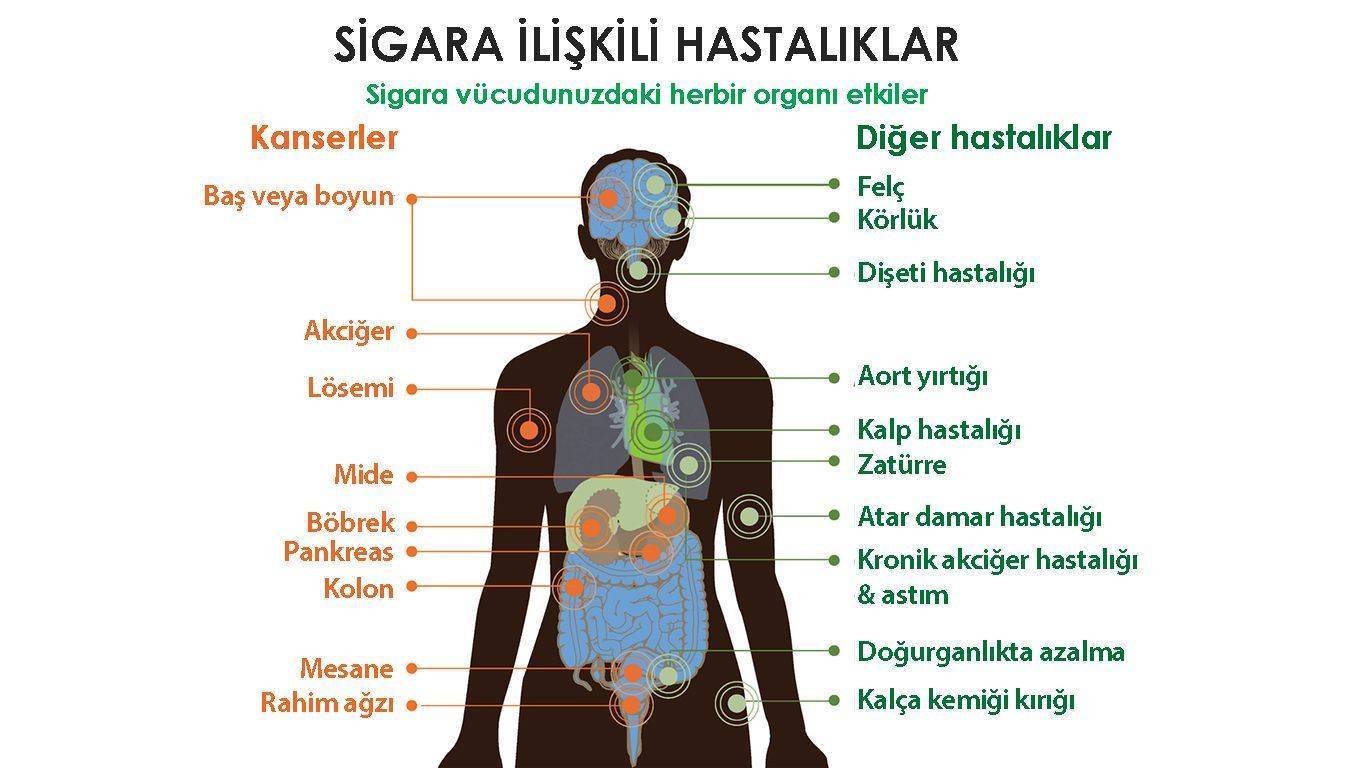
In conclusion, cigarette or tobacco smoking is among the most common causes not only of lung cancer but also of many other cancers, such as kidney and bladder cancer. Smoking is also an important cause of heart attacks and premature death. Screening tests can save lives through early cancer diagnosis. However, never using cigarettes and tobacco, or quitting as soon as possible if they are used, is the best choice for our health.
*

*
*

*
Sources
Was this article helpful?
Your feedback helps us improve our content.




Reader comments
Share your comment
Your name and comment are published only after administrator approval. Your email address is never shown to visitors.
Be the first to comment.