
What Is a Cyst? What Are the Differences Between a Cyst and a Tumor?

What Is a Cyst?
A cyst is a sac filled with fluid, air or another substance that can grow almost anywhere in the body or beneath the skin.
They can range from microscopic to very large. Very large cysts can also compress internal organs. There are dozens of types of cyst.
A cyst is not a normal part of the tissue where it occurs. It has a distinct membrane and is separate from the nearby tissue. The outer or capsular part of a cyst is known as the cyst wall.
If a cyst fills with pus, it has become infected and has turned into what specialists call an abscess.
Cysts are usually benign (bening), but some cysts may be cancerous or precancerous.
Almost everyone has cysts in their body, whether they are aware of them or not. There are many types of cyst. Whether a cyst needs treatment depends on several factors:
- The type of cyst
- The location of the cyst
- Whether the cyst causes pain or discomfort
- Whether the cyst is inflamed
What Are the Symptoms of a Cyst?
The signs and symptoms of a cyst vary greatly depending on its type. In most cases, people notice an abnormal lump, particularly when the cyst occurs just beneath the skin. Many cysts occurring deeper in the body, such as in the kidneys or liver, may cause no symptoms. These cysts may go unnoticed until detected by an imaging method such as MR, BT or an ultrasound scan.
Cysts in the skin are unlikely to cause pain unless they damage the skin, become infected or become inflamed. Breast cysts, however, may cause pain.
If a cyst develops in the brain, the person may have headaches and may also experience other symptoms.
What Are the Types of Cyst?
Below are 23 types of cyst with their descriptions:
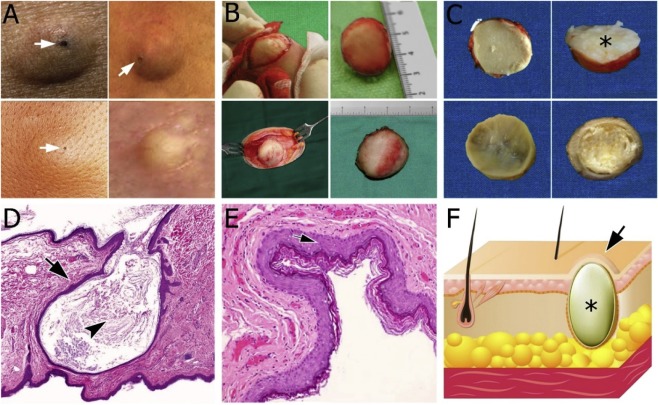
- Epidermoid cyst: A small, slow-growing, benign cyst most commonly found on the face, head, neck, back or genitals. It usually results from a buildup of keratin beneath the skin. If inflamed or infected, it may swell, become red or cause pain. Different appearances of epidermoid cysts are shown below:
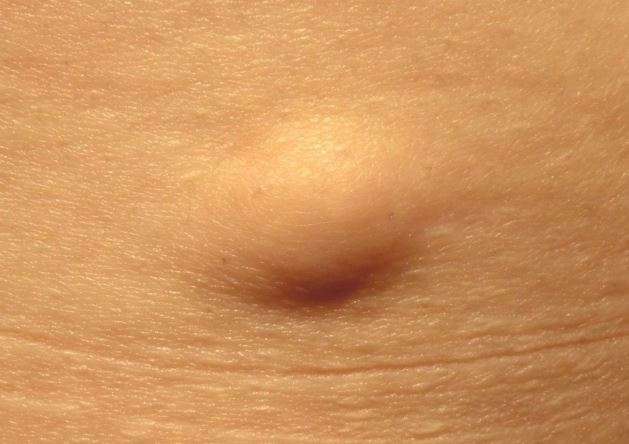
- Fat cyst (sebaceous cyst): It may be found on the face, neck or trunk. It usually develops in situations such as surgical wounds or cuts. It is a large cyst and may cause pressure and pain. It is not cancerous and grows very slowly. Lipoma is another name for it.
- Breast cyst: Most lumps detected in the breast are not cancerous. There are many possible reasons for these lumps to form. When a breast lump is discovered, attention should be paid to whether it changes or grows.
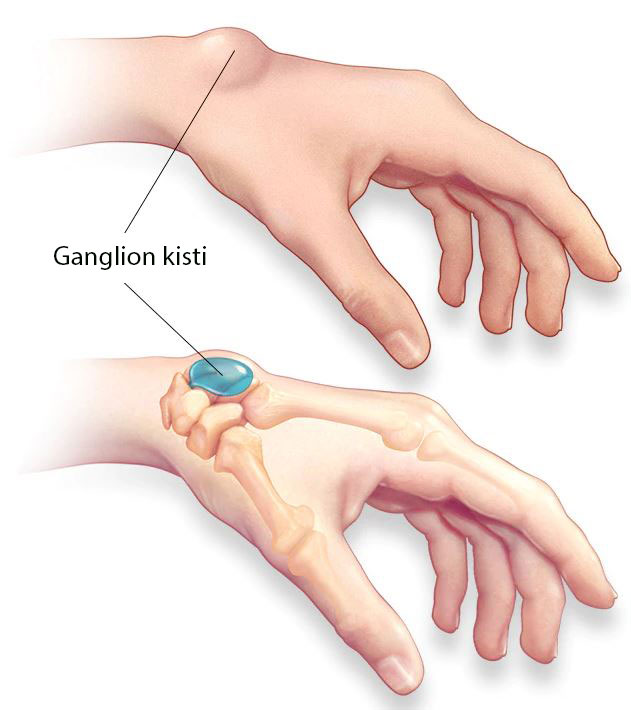
- Ganglion cyst (wrist cyst): A ganglion cyst is a gel-filled sac, particularly at the wrists and ankles. It may result from injury, trauma or overuse of a limb, but its cause is often unknown. It is a common type of cyst, is harmless and does not cause pain or any difficulty unless it grows and presses on its surroundings.
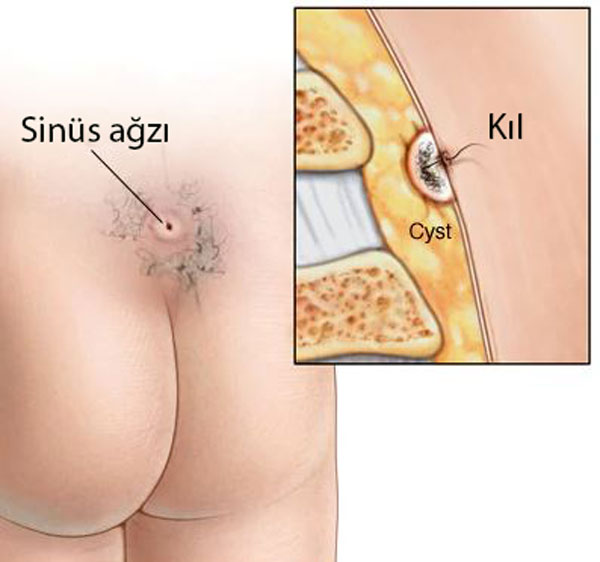
- Pilonidal cyst (sinus): A common skin condition that forms in the cleft at the top of the buttocks. In Turkish, kıl dönmesi is its name. It generally occurs after puberty. It is thought to result from a combination of changing hormones, hair growth and friction from clothing or spending long periods sitting.
- Ovarian cyst (ovary cyst): Fluid-filled sacs that develop in one or both ovaries. They may cause no symptoms or may cause pain. Possible symptoms include pelvic pain during or before the menstrual cycle, lower back pain, nausea and vomiting. They may also cause serious symptoms such as fever, fainting or dizziness.
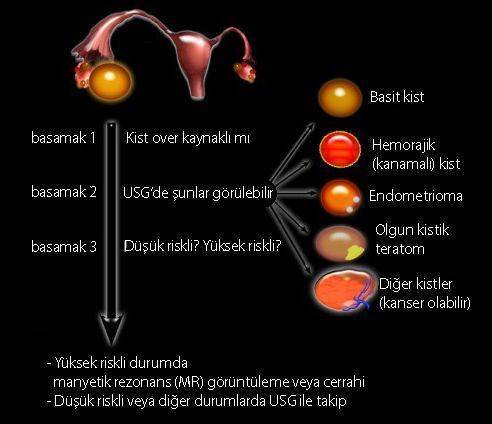
- Baker cyst (popliteal): A fluid-filled swelling that causes a lump behind the knees. This may result from problems affecting the knee joint, such as arthritis, recurrent inflammation or cartilage damage. It may present with symptoms such as mild or severe pain, limited movement and bruising. Treatment is not often needed; these cysts may usually go away on their own.
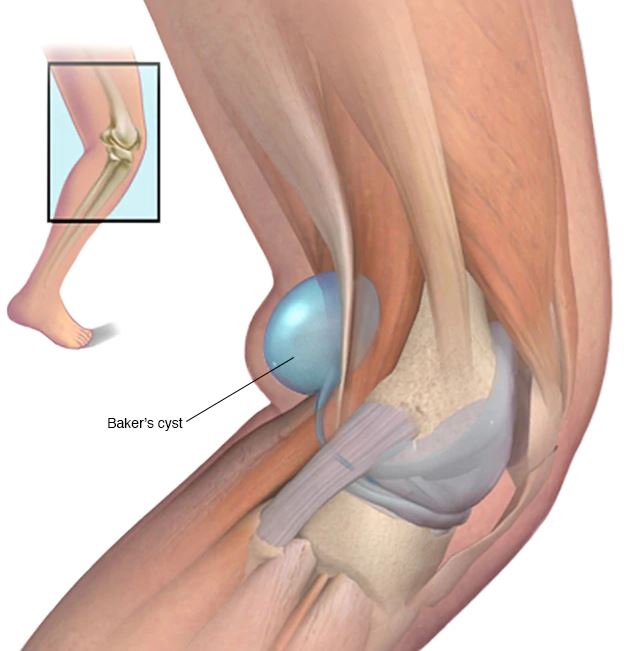
- Pilar cyst: A noncancerous, round lump of the same color as the skin that develops beneath it. It usually occurs on the scalp. It results from a buildup of protein in a hair follicle. Painless, firm and smooth, this cyst grows slowly.
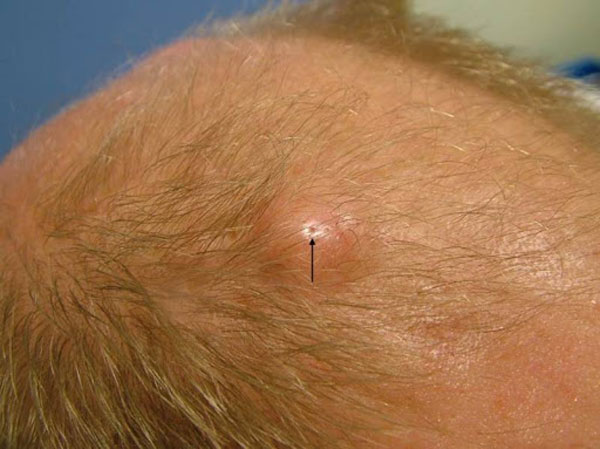
- Mucous cyst: A fluid-filled swelling that forms on the lip or in the mouth. It may usually result from lip biting, piercings or blockage of the mouth's salivary glands with mucus. Mucous cysts are small, soft nodules that are pinkish or bluish.
- Branchial cleft cyst: These may develop as a lump on one or both sides of the neck or beneath the collarbone. They may result from different development of tissues in the neck and collarbone or of branchial fat during embryonic development. They are usually not dangerous; in very rare cases they have been seen to cause cancer.
- Perineural cyst (tarlov): A fluid-filled sac that forms in the spine. Its cause is unknown, but it is thought that it may result from back trauma. Types of trauma associated with this cyst include falls, injuries and heavy exertion. Although its symptoms are rare, they include pain in the lower back, hips or legs.
- Arachnoid cysts: Arachnoid cysts develop between the arachnoid membrane and the brain or spinal cord. These cysts contain cerebrospinal fluid. They may affect newborns. Specialists call these cysts affecting newborns primary arachnoid cysts. The arachnoid membrane surrounds the brain. During fetal development, an abnormal brain doubles or splits to create a pocket of spinal fluid. In some cases, specialists may need to drain the fluid inside the cyst. Secondary arachnoid cysts, on the other hand, develop as a result of head trauma, tumors or meningitis.
- Bartholin cysts: These occur when the ducts of the Bartholin gland inside the vagina become blocked. Specialists recommend surgery or prescription antibiotics as treatment.
- Chalazion cysts: Very small glands in the eyelid, also known as Meibomian glands, produce oils that emerge through small openings at the edges of the eyelids. If the ducts are blocked, cysts form here. These cysts are called chalazion cysts.
- Colloid cysts: Colloid cysts develop in the brain and contain gelatinous material. Treatment for these cysts varies depending on whether the cyst causes fluid to accumulate in the brain. In these cases, specialists may recommend surgery to remove or aspirate (drain) the cyst.
- Dentigerous cysts: Dentigerous cysts are cysts that surround the crown of an unerupted tooth.
- Epididymal cysts: Epididymal cysts, or spermatoceles, occur in the vessels connected to the testicles. They are benign. They contain white, cloudy fluid. They may also contain sperm. They are not considered a serious medical problem, so treatment is rarely needed. However, treatment may be necessary if they cause pain or become very large.
- Hydatid cysts: Unlike other types of cyst, hydatid cysts occur in the lungs or liver because of a parasitic infection. Surgery and drug treatment are among the treatment options.
- Kidney cysts: There are several types of kidney cyst, or renal cyst. They are generally harmless. Kidney cysts contain fluid, sometimes including blood. Some occur at birth, while others develop with increasing age. People with renal vascular disease may also have cysts resulting from the dilation of blood vessels.
- Pancreatic cysts: Pancreatic cysts are often confused with pancreatic tumors. Pancreatic cysts may arise when pancreatic cells are injured or inflamed, or when pancreatic enzymes leak and damage pancreatic tissue.
- Periapical cysts: Periapical cysts, also known as radicular cysts, are the most common type of odontogenic cyst, which is related to tooth formation and development. These cysts usually develop because of pulp inflammation, pulp death or tooth decay.
- Pineal gland cysts: These are benign cysts that form in the brain's pineal gland. An article published in 2020 reports that pineal gland cysts are seen in many people.
- Vocal cord cysts: There are two types of vocal cord cyst: mucus retention cysts and epidermoid cysts. Vocal cord cysts can affect a person's speech quality and sometimes multiple tones at the same time, known as diplophonia, breathy speech or dysphonia and hoarseness in the vocal cords.


What is the difference between a cyst and a tumor?
Feeling a lump beneath the skin can be worrying, but it is usually harmless. Cysts and tumors are two common types of mass. They can be difficult to distinguish because they are often found in the same places. However, there are several key differences between tumors and cysts.
While cysts are described as filled sacs, tumors are defined as unusual, extra areas of tissue. Both cysts and tumors can occur in the skin, tissues, organs or bones.
Is a cyst cancer?
When most people notice a lump anywhere in their body, their first thought is that it could be cancer. However, cysts are almost always benign. Tumors may be either benign or malignant. Benign tumors generally do not spread, whereas malignant tumors grow and may cause new tumors to develop elsewhere in the body.
In most cases, the difference between a cyst and a tumor cannot be determined by looking. However, there are a few features that can be monitored to judge whether it is more likely to be a cyst or a tumor. Since these certainly do not provide a clear conclusion, the best approach is to consult a doctor.
Table: Differences between cysts and tumors.
|
Feature |
Cyst |
Tumor |
|
Rapid growth |
|
✓ |
|
Red and swollen |
✓ |
|
|
A black tip in the center |
✓ |
|
|
Filled with a white, yellow or green substance |
✓ |
|
|
Firm |
|
✓ |
|
Tender |
✓ |
|
|
Can move beneath the skin |
✓ |
|
Tumors can sometimes grow large enough to press on surrounding tissues. Depending on where the lump is, symptoms may include difficulty breathing, moving joints, eating or controlling the bladder. It is important to consult a doctor when a lump is accompanied by an unusual symptom, even if it does not seem related.
What causes cysts to form?
Cysts may occur for different reasons. The exact cause of a cyst depends on its type and location. Some types of cyst may involve PKOS (polycystic ovary syndrome) as an underlying medical condition.
In general, cyst formation results from:
- Infections
- Hereditary diseases
- Genetic factors
- Chronic inflammation
- Blockages in ducts
What causes tumors to form?
Tumors occur as a result of abnormal cell growth. Normally, body cells grow and can divide to form new cells when needed. Old cells die, and these newly formed cells take their place. Disruption of this cycle causes tumors to form. Old, damaged cells do not die when they should, and because the body does not need them, it continues to produce new cells. When these extra cells continue dividing, they may form a tumor.
Some tumors are benign, meaning that they form in only one place without spreading to surrounding tissues. Malignant tumors, however, are cancerous and tend to spread to nearby tissues. Cancerous tumors grow and may divide as they grow, allowing them to travel through the body and form new tumors.
How are cysts and tumors diagnosed?
A cyst may grow just beneath the skin and feel like a small lump. Some cysts grow deep within the body and cannot be felt. However, they may cause symptoms. For example, ovarian cysts resulting from polycystic ovary syndrome (PKOS) may become apparent when they cause problems with ovarian and reproductive function. Polycystic kidney disease (PKBH), which causes kidney cysts to form, may present through adverse effects on kidney function.
- Related topic: Kidney Cancer Symptoms, Stages and Treatment
Cysts can be diagnosed by physical examination, but generally diagnostic imaging methods are the most reliable way to diagnose them. Imaging methods such as ultrasound, BT scans, MRI scans and mammograms help reveal what is inside the lump.
Cysts may be small or large and generally grow slowly. They are also seen to have a smooth surface both to the naked eye and on images. Such cysts are almost always benign. If a lump has a solid component rather than fluid or air, it may be either benign or malignant.
There is only one way to know whether a cyst or tumor is cancerous: biopsy. In a biopsy, part or all of the lump is surgically removed. If the lump is filled with fluid, fine-needle aspiration is used.
How are cysts and tumors treated?
Treatment for cysts and tumors depends entirely on their cause, whether they are cancerous and their location. However, most cysts do not require treatment. A cyst may be treated if it causes pain or bothers the person cosmetically. Most cysts do not cause pain and generally do not cause a problem unless they involve the following:
- Infection
- Being very large
- Touching a nerve or blood vessel
- Growing in a sensitive area
- Affecting an organ's function
Other symptoms to watch for that require a doctor's attention are:
- Bleeding or leaking
- Color change
- Rapid growth
- Itching
- A red or swollen appearance
Benign tumors also generally do not need treatment. If a tumor affects a nearby area or causes other problems, surgical intervention may be needed. Cancerous, or malignant, tumors almost always require treatment with surgery, radiation treatment (radiotherapy) or chemotherapy. In some cases, a combination of these treatments may also be needed.
Summary
It is often difficult to tell the difference between a cyst and a tumor. Although a few factors can help determine whether a lump is more likely to be a cyst or a tumor, the best approach is to consult a doctor. A small sample will be taken from the lump to determine whether it is a cyst, tumor or something else, and the best treatment will be recommended accordingly.
Sources
2. Ranchod Y. and Osborn C.O. (28 Sep 2018). What’s the Difference Between Cysts and Tumors? Healthline. https://www.healthline.com/
Was this article helpful?
Your feedback helps us improve our content.




Reader comments
Share your comment
Your name and comment are published only after administrator approval. Your email address is never shown to visitors.
Be the first to comment.