
4 February World Cancer Day 2020 – I AM DETERMINED and I WILL

New Hopes Against the Growing Global Cancer Burden
Cancerhas become the world's most important disease burden: 18 million people worldwide and 200 thousand in Turkey receive new diagnoses annually, and nearly half of all health research concerns cancer. With the world's aging population, this number is expected to rise. However, emerging treatments and technology offer hope to patients and their families.
Today, 5 years after cancer diagnosis, 48.3 million people are alive. If all cancer survivors held hands in a human chain, they would circle the world more than once.
While the important role of conventional chemotherapy remains valid, success rates are increasing with targeted drugs, genetic tests, highly discussed immunotherapies, new technologies, decision-support systems, and electronic health records enabling real-time monitoring, as detailed below, says the head of Memorial Antalya Hospitals Oncology Center and Medical Oncologist Prof. Dr. Mustafa Özdoğan , who provides the following information:
What Is World Cancer Day?
February 4 supports the objectives of the World Cancer Declaration written by the Union for International Cancer Control (UICC) in 2008 and is observed as World Cancer Day . Its main purpose is: “To provide an opportunity to significantly reduce cancer-related illness and deaths and unite the international community to end inequity in approaches to preventable cancers.”
Among February 4 World Cancer Day's most striking slogans is “I Am Determined and I Will.” Inspired by this, we say: “I AM DETERMINED and I WILL learn new, accurate information for cancer prevention, early diagnosis, and choosing the best cancer treatments...”


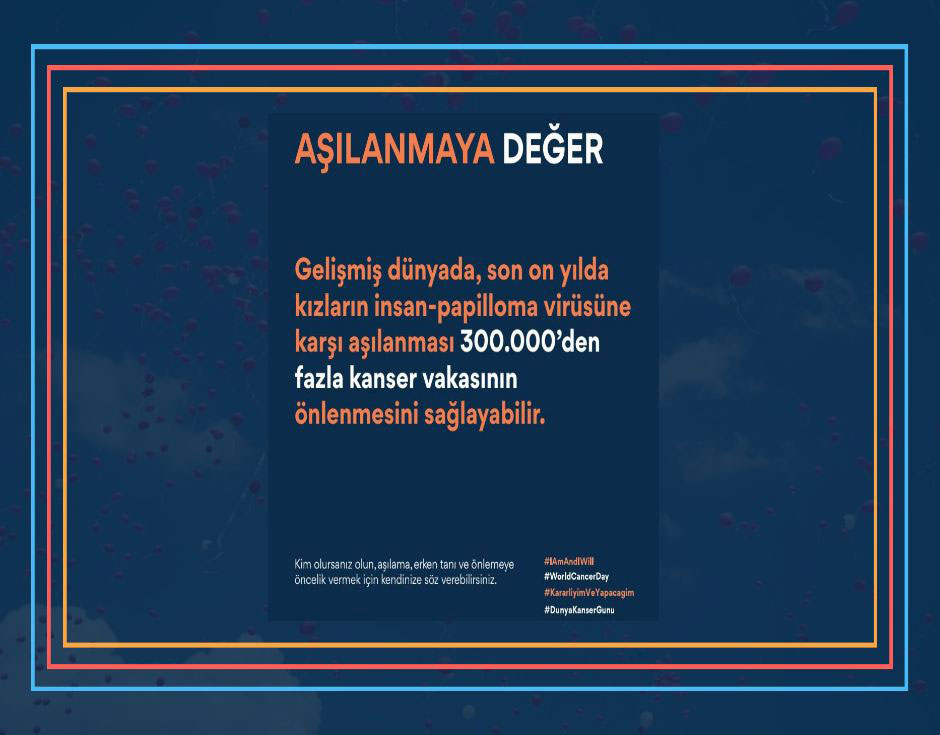
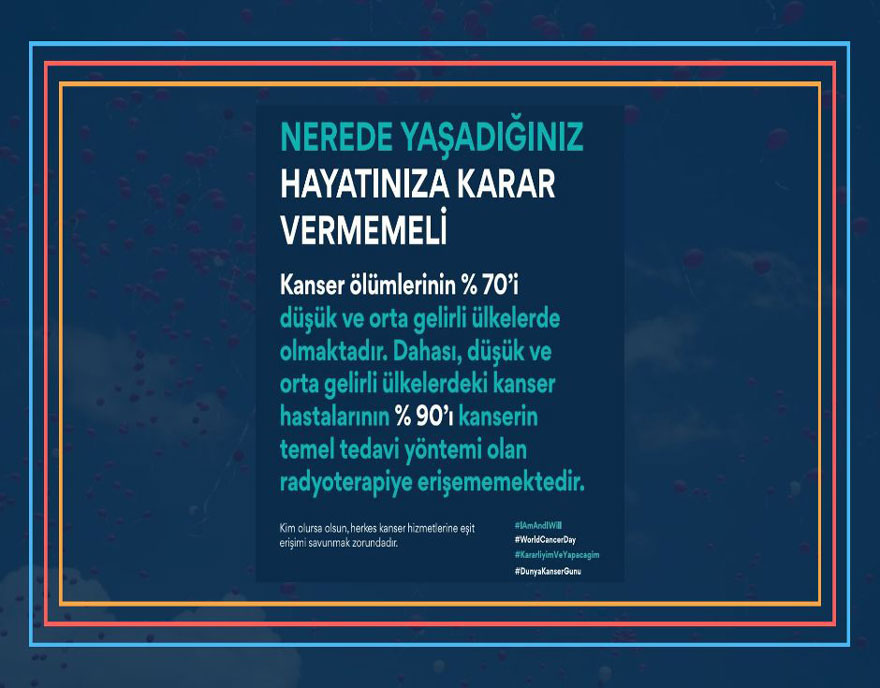


Cancer Is Overcome by an Informed, Not Frightened, Society
Throughout history, events contributing to humanity and saving lives have been commemorated on anniversaries as reminders. In cancer, however, no single day can be named. With modern medicine's development, especially over the last 150 years, physicians and scientists worldwide have worked day and night to understand and control this difficult disease. Nevertheless, one of cancer's most important features to learn and never forgetis that nearly half is preventable. To raise awareness that “cancer is preventable,” February 4 is observed annually through various World Cancer Day activities.
Cancer Treatment from Yesterday to Today
Until the 2000s, advanced cancers were treated mainly with chemotherapy alone. Radiotherapy was technologically weaker. After 2000, however, both developed very well in parallel. The Human Genome Project substantially increased genetic targets for targeted drugs, and after 2011, activating immunity against cancer through immunotherapies strengthened our options further. Cancer treatment adverse effects, such as nausea, vomiting , are also managed much better than before, making critical treatments more effective. All these advances have meaningfully improved survival and quality of life.
Smarter Treatment with Drugs Against Genetic Targets
Available as oral pills or intravenously, targeted cancer drugsare becoming usable in many cancers. These small molecules or antibodies bind cancer-cell growth receptors , preventing growth signals. With minimal or manageable nausea and hair loss, they offer effective treatment and improve quality of life. Targeted molecules are used particularly in brain tumors and head and neck, lung, stomach, breast, kidney, and prostate cancers. They do not eliminate conventional chemotherapy; both are combined for some cancers. More recently, combining targeted drugs with immunotherapyhas become the most effective option for some cancers, such as advanced kidney cancer.
Immunotherapy Helps Immunity Distinguish Friend from Foe
The immune system spends much effort distinguishing normal from foreign cells. It uses cellular checkpoints . To activate defenses, molecules acting on checkpoints must be active or inactive. These immunotherapies, activating defenses and transforming cancer treatment after 2012, are called immune checkpoint inhibitors , and their discovery received the 2018 Nobel Prize in Medicine.
With immunotherapy, one in every 4 patients with advanced lung cancer lived longer than 5 years.
Before immunotherapies were used in advanced lung cancer, 5-year survival was only around %5. Immunotherapy attempts to treat disease by directing the body's cancer-fighting cells toward cancer tissue. Given intravenously every 2-3 weeks, these drugs have received approval so far for 16 cancers, particularly lung, kidney, bladder cancer, aggressive malignant melanoma, and lymphoma, from the US Food and Drug Administration (FDA).

Another breakthrough is “cellular immunotherapy.” Its most effective form is living cancer drug CAR T-cell therapy. Effective in certain leukemias and lymphomas and FDA-approved, it uses genetic engineering to modify the patient's immune T cells and return them to fight cancer.
Risk Analysis and Molecular Target Detection Through Genetic Testing
Cancer is a genetic disease at the cellular level. Damage accumulates in genes controlling cell proliferation and interactions, causing uncontrolled growth and cancer. Thus, “Cancer is a genetic disease” means disease develops through affected genes, not necessarily transmission from mother or father. Inherited cancers also exist; those transmitted from parents account for 5-10 percent of all cancers (see the difference between inherited and familial cancer).
There Are Two Types of Cancer Genetic Tests:
The firstidentifies cancer-associated, parentally transmissible germline mutations . Detecting inherited damaged genes helps develop effective prevention strategies, personalized treatment, and preventive surgery. Ovarian cancer in a mother and breast cancer in an aunt, for example, indicate inherited risk. When BRCA mutations are found, preventive surgery to remove breast tissue and ovaries is considered. Routine cancer screening alone, as for the general population, is insufficient for families with these cancers (see “who should undergo genetic testing for inherited breast cancer?”)
The secondidentifies mutations driving noninherited cancers.
For noninherited cancers, tests detecting driver mutations are becoming more common. Nearly 200 genes closely associated with cancer are now known, and targeted drugs address some of their mutations. These tests are most used in lung, ovarian, large bowel, and pancreatic cancers, for example, ALK, EGFR, KRAS, NTRK).
Which Cancers Can Be Diagnosed Early?
Breast cancer can be effectively detected early through mammography, large bowel cancer through colonoscopy, cervical cancer through Pap smears and HPV testing, and lung cancer in smokers through low-dose CT. Conversely, pancreatic, pharyngeal, stomach, kidney, and ovarian cancers lack effective early detection tests and are often diagnosed only after symptoms. Early cancer detection is frequently exploited; some groups claim diagnosis through circulating tumor cells. Accurate rather than popular messages are needed. Biological features unfortunately make some disease groups more aggressive. Sudden, persistent symptoms, such as prolonged back pain, may already indicate metastasis, stage 4.
Artificial Intelligence Will Guide Doctors' Decisions
New technologies will change how doctors treat and interact with patients over the next decade. We predict AI will soon inform the best treatment plan for each patient rather than waiting several months to predict response. This is especially important because some patients cannot afford to wait months.
A Team-Based Approach Is Becoming More Important
Multidisciplinary cancer care will become more widespread in coming years, and centers adopting it will offer much better treatments. Medical oncologists, surgeons, radiation oncologists, palliative care specialists, and oncology nurses work together to guide care.
This matters because access to new effective treatments is increasingly possible. Yet many complications, medical problems due to disease or treatment, can arise. Care in a setting with all specialists discussing the best way forward is important at every treatment stage.
Treatment costs must not be ignored, and national and international solutions should ensure equitable access.
Cancer weakens not only physical health but also financial health. According to the US National Cancer Institute, average treatment costs are around 150.000 dollars per patient, and in 2020 the USA alone is expected to spend 174 billion dollars on cancer care.
Cost increasingly prevents access. Targeted drugs, immunotherapies, CDK 4-6 inhibitors, PARP inhibitors... each is an expensive new treatment.
Inability to pay can cause financial distress and worse outcomes even after surviving cancer. Over the next 10 years, costs are another essential issue to address.
Healthy Communication at Every Disease Stage
Unfortunately, dying and death are not discussed in our country, though necessary to manage that process properly. Seeking immortality makes it inevitable that this precious period is filled with unnecessary treatments and encounters with exploitative people. The deeply human process of saying goodbye is misused. Discussing early diagnosis, locally advanced disease, differences between cancer types, approaches to fourth-stage disease, and how to manage the period when available treatments no longer work gives people much more hope. Hope is not only immortality; we all have an end. Here, hope means freedom from pain and living the remaining time much better. Adequate oncological expertise is needed, and patients should not be exhausted with unnecessary treatments.
Was this article helpful?
Your feedback helps us improve our content.




Reader comments
Share your comment
Your name and comment are published only after administrator approval. Your email address is never shown to visitors.
Be the first to comment.