
Immunotherapy and Cancer Vaccines

In this article
What Is Immunotherapy?
Immunotherapy helps the body fight cancer, infections and other diseases by acting on the immune system using biological agents that stimulate it or sometimes suppress it; this is a type of treatment.
Some types of immunotherapy target only specific immune cells. Others affect the immune system in a general way. Types of immunotherapy include cytokines, vaccines, Basil Calmette-Guerin (BCG) and certain monoclonal antibodies.
What Is Cancer Immunotherapy?
Cancer immunotherapy consists of treatments that trigger the immune system to fight cancer.
The immune system devotes a substantial part of its effort to distinguishing normal cells from foreign cells . To accomplish this, it uses "checkpoints" at the cellular level . Molecules acting on checkpoints must be active or inactive to activate the defense system. Drugs that activate this defense system and revolutionized cancer treatment after 2011 are called immune checkpoint regulators . The discovery of immune checkpoints was awarded the 2018 Nobel Prize in Physiology or Medicine.
Immunotherapy is described as the 4. pillar of cancer treatment after surgery, radiotherapy and chemotherapy.
Cancer Immunotherapy – Summary Video Explanation
Is Immunotherapy a Targeted Drug?
Targeted cancer drugs are designed to target specific genetic changes, such as cancer-associated mutations, and are mostly small-molecule drugs. Immunotherapies and targeted drugs therefore differ. Immunotherapies aim to activate the immune system against cancer, while targeted drugs aim to suppress the genetic changes that drive cancer.
Which Cancers Is Immunotherapy Used For?
Immunotherapies in the “immune checkpoint inhibitor” class, first used as cancer treatment in 2011, have received FDA (United States Food and Drug Administration) approval and entered cancer treatment guidelines for the cancer indications listed below.
NOTE: As an important development, on 8 February 2022, Opdivo (nivolumab)was included as second-line treatment for advanced non-small cell lung cancerin reimbursement coverage by the SGK (Social Security Institution). Thus, for the first time and as the only such option in our country, an immunotherapy drug for lung cancer became available to patients with its cost covered by the institution.
FDA-approved immunotherapies in the "immune checkpoint inhibitor" class for cancer treatment are:
Other types of immunotherapy approved by the FDA for cancer treatment are:
- Talimogene Laherparepvec (Imlygic): a type of immunotherapy prepared as gene therapy for melanoma (details below).
- Sipuleucel-T (Provenge): a personalized dendritic cell cancer vaccine for prostate cancer. Available only in the United States (details below).
- CAR T-cell living cancer drugs: used in the United States and Europe to treat hematological cancers (arising from blood and bone marrow). Also called adoptive cellular therapies; see for detailed information.
What Are the Side Effects of Immunotherapy?
It is incorrect that immunotherapies have no side effects. Although these drugs cause fewer side effects than chemotherapy, they can cause serious side effects due to overactivation of the immune system, even though most are mild (see immunotherapy side effects).
The general features of immunotherapy side effects are as follows:
- Immunotherapy side effects occur when the immune system activated against cancer also damages normal parts of the body.
- In general, anti-CTLA-4 monoclonal antibody immunotherapies (such as Yervoy, containing ipilimumab) cause more frequent and severe side effects than anti-PD-1 or anti-PD-L1 immunotherapies (such as Opdivo, Keytruda, Imfinzi, Tecentriq and Bavencio).
- Combination immunotherapies cause more frequent and severe side effects than single-agent (monotherapy) immunotherapies.
- Immunotherapy side effects can affect almost all organ systems. Most commonly the skin, intestines, endocrine (hormonal) system and lungs; more rarely the cardiovascular system, bone marrow, kidneys, nervous system and eyes.
- Side effects during immunotherapy are generally mild (grade 1. and 2.), but unlike chemotherapy, these side effects can sometimes last for months.
- The most common immunotherapy side effects are mouth sores (mucositis), diarrhea, skin allergies and flu-like complaints (such as fatigue, fever, chills, weakness, nausea, vomiting and rash).
How Long Does Immunotherapy Treatment Last?
Immunotherapies in the "immune checkpoint inhibitor" class are widely used in cancer. They have a monoclonal antibody structure and are administered as an intravenous infusion. Administration takes 30-60 minutes (dk) per cycle. Depending on the drug, immunotherapies are given every 14 or 21 days. Total immunotherapy duration lasts as long as the patient continues to respond; generally, immunotherapies are given for up to 2 years. Treatment is stopped if intolerable side effects or cancer progression develop.
In recent years, doses of certain immunotherapies every 4 weeks (for Opdivo) and every 6 weeks (for Keytruda) have also received FDA approval.
Is There a Natural Immunotherapy Method?
Currently, immunotherapy methods proven effective are laboratory-produced monoclonal antibodies or genetically designed biotechnology drugs. Apart from these, no naturally available herbal product (phytotherapy) has a proven immunotherapy effect. There are two approaches other than drugs that support the immune system: exercise and healthy eating.
You May Also Be Interested In: Exercise is a cancer drug!
Which Hospitals Provide Immunotherapy in Türkiye?
Immunotherapy is provided in all hospitals in Türkiye with a medical oncologist and an active chemotherapy center. However, immunotherapies are not used for every cancer or every situation. Moreover, in our country, the SGK (Social Security Institution) reimburses immunotherapies for only a small number of cancers.
In our country, a drug being approved/licensed by the Republic of Türkiye Ministry of Health is not the same as being reimbursed by the Social Security Institution (SGK), which is affiliated with the Republic of Türkiye Ministry of Family, Labor and Social Services. A drug may have Ministry of Health approval for a particular disease but not yet be reimbursed by the SGK. We frequently encounter this with immunotherapies, a new generation of cancer drugs.
In our country, immune checkpoint inhibitors, the new generation of immunotherapies, are reimbursed by the SGK for only these 4 cancers:
- Treatment of malignant melanoma
- Treatment of classical Hodgkin lymphoma
- Treatment of kidney cancer
- Treatment of lung cancer
However, immune checkpoint inhibitors are licensed by the Ministry of Health for these situations:
- Adjuvant treatment of melanoma
- Treatment of advanced melanoma
- Treatment of advanced kidney cancer
- Treatment of classical Hodgkin lymphoma
- Treatment of advanced non-small cell lung cancer
- Maintenance treatment of stage IIIB non-small cell lung cancer
- Treatment of advanced small cell lung cancer
- Treatment of advanced squamous cell head and neck cancer
- Treatment of metastatic colorectal cancer with high microsatellite instability (MSI-H) or mismatch repair deficiency (dMMR)
- Treatment of adult patients with metastatic Merkel cell carcinoma (MCC)
- As monotherapy for maintenance treatment in adults with unresectable locally advanced or metastatic disease whose disease has not progressed following 1. line platinum-based chemotherapy and who have PD-L1-positive urothelial carcinoma (UC) (Bavencio, containing avelumab)
So far, we have briefly summarized the most frequently asked questions about cancer immunotherapy in question-and-answer form. The rest of this article provides detailed information on the types of cancer immunotherapy.
*
Introduction to Cancer Immunotherapy – Detailed Explanation
The term immune checkpoints is used differently in various places:
- immune system checkpoint inhibitors / regulators
- immune checkpoint inhibitors
- cancer immunotherapy
As we will see later in the article, cancer immunotherapy is examined under at least 8 headings, but today the first thing associated with cancer immunotherapy is immune checkpoint regulators. These drugs activate immune cells by blocking the activity of cell surface molecules called PD-1, PD-L1 and CTLA4.
The aim of immunotherapy in cancer is to trigger, strengthen and reorganize the immune system to fight cancer.
Although immunotherapy drugs are quite new, the idea of treating cancer by activating the immune system dates back much further and is actually the first nonsurgical cancer treatment; it was discovered before chemotherapy and radiotherapy.
For nearly 100 years, cancer treatment research focused on methods that directly kill cancer cells. However, the power of the immune system , one of the body's most important protective mechanisms, was not understood, or immune system inadequacy was attributed to the strength of cancer cells.
Our immune system is like a double-edged sword. Excessive, uncontrolled activity causes diseases involving damage to various organs, which we could call immune excess. Insufficient activity leads to adverse conditions ranging from infections to susceptibility to cancer.
A Brief History of Cancer Immunotherapy

126 years ago, a New York surgeon named William Coleyobserved regression of advanced cancer in a patient after a feverish infection. He began to think that the bacterial infection was somehow responsible for tumor shrinkage and injected live bacteria into another patient. His experiment worked, and the patient lived for 26 years before dying from another cause. Coley thought he had found something. He continued researching and working on the use of bacteria. Coley and other doctors in this field reported treating more than 1000 patients with this method. Used to treat cancer by producing a feverish infection, Coley's toxinsare also called a mixed bacterial cancer vaccine. Coley's first attempt succeeded, but subsequent attempts did not always produce encouraging results.
Nobody knew how Coley's toxins, meaning feverish infections, worked, or why they sometimes worked and sometimes did not. Even Coley could not explain it. Later, it became clearer that by producing a feverish infection, Coley's toxins triggered various mechanisms activating and regulating the immune system. This resembles today's immunotherapies, but involves different mechanisms.
Picking up where it left off after 100 years...
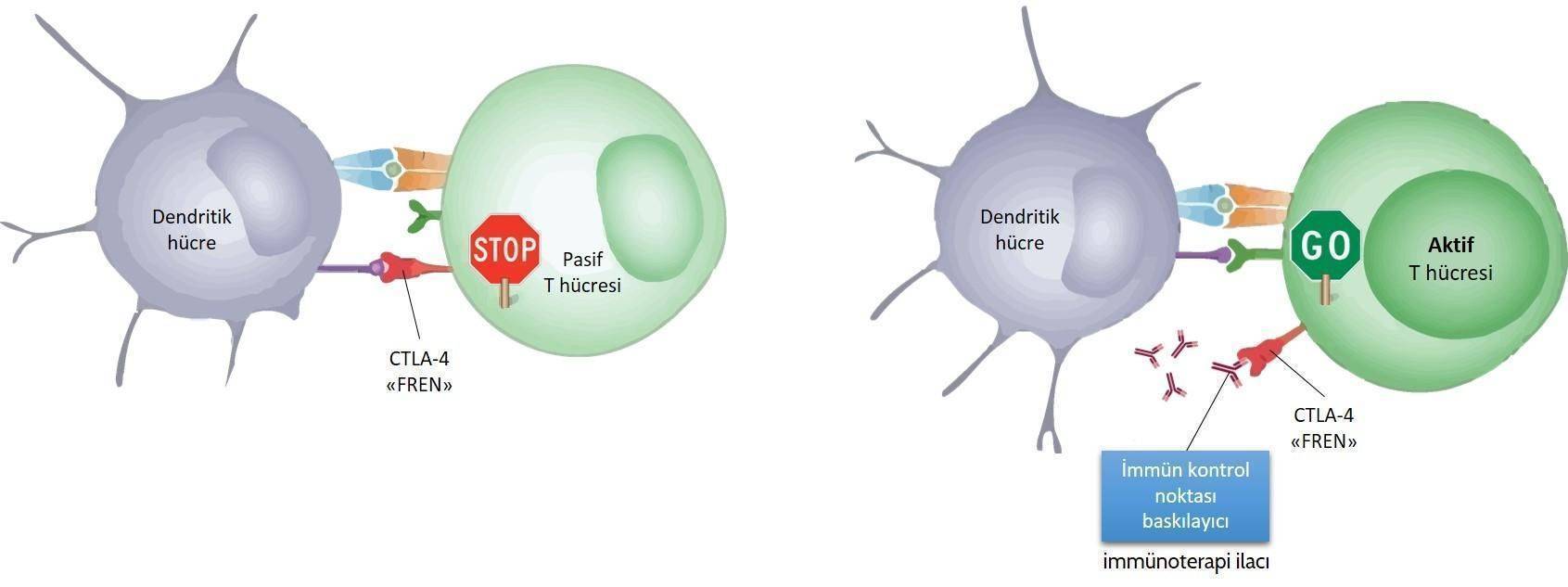
When radiotherapy was developed in the early 1900s, followed by chemotherapy, these new treatments overshadowed interest in Coley's toxins. This lasted until Prof. James Allison, who had not lost hope of developing immune-mediated drugs to combat cancer in the 1990s. Allison became interested in CTLA-4 , a particular biological molecule. In their study, Allison and colleagues proved that this molecule on T cells, among the immune system's most important cells, brakes (inhibits) their activity and thus silences the immune system against cancer . T cells were known to have a critical role in organizing immune attacks. Researchers wondered whether removing this inhibitionwould work in cancer treatment, and began testing it in mouse cancer models. In an article published in 1996, Jim Allison, Max Krummel and Dana Leach showed that tumor growth could be eliminated in mice in which CTLA-4 activation was blocked with an antibody.
This study inspired the groundbreaking cancer drugs known as immune checkpoint regulators. Following this development, a CTLA-4-blocking antibody, Ipilimumab (brand name Yervoy), proved effective in patients with advanced (stage 4.) malignant melanoma, a highly aggressive skin cancer, and saved thousands of lives.
After this important development, researchers sought other ways to activate the immune system through checkpoints and began testing the molecules found in many cancers. Studies in the early 2000s revealed that cancer uses cell surface molecules other than CTLA-4 to evade the immune system, including PD-1 and PD-L1 .
PD-1 is found only on immune cell surfaces, and when it binds to its own stimulatory molecules (ligands), immune cells and therefore the immune system become inactive. Drugs preventing PD-1 from binding to its stimulatory molecules currently in use number 3: nivolumab (brand name Opdivo), pembrolizumab (Keytruda) and cemiplimab (Libtayo).

PD-L1 is a stimulatory protein molecule found on the surface of both certain immune cells and cancer cells. When it binds to the PD-1 receptor, it inactivates the immune cell. Tumors with abundant PD-L1 on their cell surfaces, called PD-L1-positive tumors , have been found to be more aggressive, while immunotherapy drugs are more effective against these cancers. Drugs preventing PD-L1 from binding to PD-1 that currently have FDA approval are atezolizumab (Tecentriq), avelumab (Bevancio) and durvalumab(Imfizni).
What Types of Immunotherapy Are Used in Cancer?
Although "cancer immunotherapy" today first brings to mind the "immune checkpoint inhibitor" drugs discussed at length above, immunotherapies used in cancer are not all of one type. "Cancer vaccines" and drugs such as "CAR-T", examined in detail below, are living drugs also included under immunotherapy. Let us now explore the types of cancer immunotherapy, the most active field of cancer medicine:

You May Also Be Interested In: Living Drugs in Cancer Treatment
1. Nonspecific Immune Activators
The first modern immunotherapies were inspired by Coley's toxins and aimed to increase immune responses against all kinds of pathogens and cancers. These applications produced an immune response nonspecific to the disease being treated. These nonspecific immunotherapies still help us treat certain types of cancer.
The BCG Vaccine
The first modern immunotherapy drug is BCG, an attenuated form of the bacterium causing tuberculosis (Bacillus Calmette-Guerin). Throughout the 20. century, BCG was used as a tuberculosis vaccine. In the late 1950s, it began to be tested in cancer. Although tested in many cancers for decades, by 1990 it had received approval only for early-stage bladder cancer with a high risk of recurrence , and it remains one of the main treatments for this cancer.
Cytokines
Cytokines are molecules that immune cells use to communicate with each other. They are used as nonspecific immunotherapy drugs.
They help the immune system recognize tumors in several ways. The best-known examples, tumor necrosis factor alpha (TNFα) and interferon alpha (IFNα), act directly on cancer cells by causing cell suicide and stopping growth. Interleukin-2 (IL-2) and GM-CSF activate natural killer (NK) cells, T cells and dendritic cells of the immune system.
Among these molecules, IL-2 is used in malignant melanoma and kidney cancer as a treatment. INFα is used in melanoma, chronic myelocytic leukemia, hairy cell leukemia, follicular non-Hodgkin lymphoma and Kaposi sarcoma as a treatment.
Adjuvants
Adjuvants are also nonspecific immune triggers and are frequently administered with vaccines to produce a stronger immune response.
Commonly used adjuvant molecules are bacterial products and TLR (Toll-like receptor) agonists. GM-CSF, which stimulates dendritic cells, important components of the immune system, is also frequently used as a cancer vaccine adjuvant.
2. Antibody Immunotherapies
The immunotherapies discussed so far generally stimulate immune cells without targeting a particular antigen (a specific protein molecule). Those in this section are called “specific immunotherapies” because they target a particular antigen.
Monoclonal antibodies
Antibodies are proteins produced by the immune system to protect us from pathogens and cancer cells. These highly selective, purified molecules, also producible in laboratories since the 1970s, are called monoclonal antibodies .
Monoclonal antibodies have many therapeutic uses.
- They can bind signaling molecules used by cancer cells to grow and multiply;
- They can bind cancer cells and mediate their recognition and destruction by immune cells;
- They can activate complement components that cause tumor cells to burst.
Approximately 20 monoclonal antibodies have received FDA approval for cancer treatment so far. The most widely used are trastuzumab (breast and stomach cancers), bevacizumab (many cancers, particularly colorectal, brain, ovarian, cervical and lung cancers), and rituximab(certain lymphomas and leukemias).

Herceptin (active ingredient trastuzumab) is one of the first monoclonal antibodies used in cancer and has virtually changed the history of breast cancer. Approximately %25-30 of breast cancers have excessive amounts of the HER2 receptor on cell surfaces; this receptor controls cell growth and multiplication. Herceptin blocks the activity of this important growth receptor, leading the cell to death.
Because monoclonal antibodies bind highly specific targets, they have relatively few side effects. However, resistance to their effects can develop over time.
Bispecific antibodies
A new form of antibody therapy, bispecific antibodiesare molecules engineered to lock onto two different targets. Physically, they are proteins formed by linking two different monoclonal antibodies.
The most common form of bispecific antibodies consists of genetically engineered products able to bind a T cell on one side and a cancer cell on the other, called bispecific T-cell engagers (BiTEs) , the name given to these genetic engineering products.
An FDA-approved BiTE is blinatumomab, used to treat B-cell leukemia. This drug binds CD3 on a T cell on one side and molecules called CD19 on a tumor cell on the other.
3. Cancer Vaccines
The main cause of cancer-related deaths is cancer cells “invading” other tissues and organs. This is called metastasis . Recent research states that metastasis accounts for 90 percent of cancer deaths. The inadequate success of treatments for metastatic, or stage four, cancers and their side effects have led researchers to develop new cancer treatments. Cancer vaccines have gained great popularity in recent years, and many pharmaceutical companies have intensified research in this area. Cancer vaccines can be divided into two groups:
These are;
- Preventive (prophylactic)
- and treatment (therapeutic) cancer vaccines.
Preventive (prophylactic) cancer vaccines
Viruses have been known to cause cancer since the early 1900s. According to the latest World Health Organization reports, 15 percent of cancers worldwide virus are caused by these agents. Most virus-related cancers occur in less developed and developing countries. This is because vaccination programs are not conducted regularly and necessary hygiene conditions are not met. The general term for these viruses is oncovirus .
Oncoviruses infect cells, entering them and taking control. They use this to reproduce. As we know, our cells contain the DNA molecule, which controls their basic activities. Viruses incorporate their own genetic information into the DNA of the cells they enter. Cells whose genetic structure is disrupted begin dividing and multiplying uncontrollably, resulting in cancer. As we will examine in detail, some viruses block tumor suppressor gene activity, while others add oncogenes (genes triggering cell growth) to the cell. The viruses identified as causing cancer and the cancer types are listed below.
- Hepatitis B and C viruses: Liver cancer
- Human papillomavirus (HPV): Cervical and uterine cancer
- Human T-lymphotropic virus: T-cell lymphoma in adults
- Epstein-Barr virus: Burkitt's lymphoma, Hodgking lymphoma, laryngeal cancers
- Kaposi's sarcoma virus: Muscle cancers
It is important to emphasize that the percentages of these viruses causing cancer are very low. Research has also shown that a person infected with these viruses may never develop cancer during their lifetime.
The virus types most studied and targeted by vaccine development in recent years are hepatitis viruses and human papillomavirus (HPV). Hepatitis viruses cause liver cancer through chronic hepatitis infection. Every year, 750.000 liver cancer cases are reported, most in less developed countries. Hepatitis B virus has infected 3 percent of the world's population and accounts for 90 percent of liver cancer cases in less developed countries where vaccination programs cannot be implemented.
Related topic: What Is HPV (Human Papillomavirus)? How Does It Cause Cancer?
Human papillomavirus (HPV) is proven to cause cervical cancer. Recent studies have even shown that HPV causes %99 of cervical cancers. The virus mainly affects the genital area and is usually sexually transmitted. These viruses cause genital warts or abnormal cell growth. Genital warts are among the most important sexually transmitted infections. Although surgery and medications can treat them, they recur in most individuals. Beyond this, how does HPV cause cancer? The answer is that our genes become uncontrolled. Let us examine this mechanism;
Cell division is very rapid from the beginning of life and continues this way until adulthood. In adults, cells divide and multiply only to repair injured tissues. This does not occur in every cell type. For example, our nerve and muscle cells cannot renew themselves. The most important gene controlling cell division is p53, called the “guardian of the genes” by scientists. p53 is a tumor suppressor gene. When a cell's genetic structure is damaged, it stops cell division to prevent damaged genes from passing to new cells and initiates repair mechanisms. If unsuccessful, it starts programmed cell death to eliminate the damaged cell. The p53 gene is therefore very important. If p53 is mutated, the cell begins growing uncontrollably. In % 50 of human cancers, p53 has been found mutated, meaning inactive. What is the relationship between HPV and p53? HPV infects a cell and integrates its own genes into it. The resulting viral proteins called E6/E7 render p53 nonfunctional. Elimination of the cell's control system causes uncontrolled division.

Immunity against HPV can be provided by the Gardasil and Cervarix vaccines, introduced with United States Food and Drug Administration (FDA) approval in 2006. Gardasil is recommended for individuals before puberty and those who have begun an active sexual life. Remember that these vaccines have no protective effect for an already infected individual. Gardasil is approved in more than 120 countries. Cervical cancer vaccines are also on sale in our country. Recent research reports reduced cervical cancer incidence in countries implementing vaccination programs.
Therapeutic (treatment) cancer vaccines
Cancer vaccines developed for treatment aim to kill cancer cells by creating strong immunity against them or using genetically manipulated viruses. Preventive vaccines provide immunity against cancer-causing viruses called oncoviruses.
One basic principle of therapeutic cancer vaccines is eliminating cancer cells using “viruses”. Viruses used to develop these vaccines are called oncolytic viruses. “Oncolytic” means tumor-destroying. For this purpose, these viruses target and destroy only cancer cells. A genetically manipulated virus causes no harm when entering a normal cell. In cancer cells, however, it enters and multiplies, bursting and killing the cancer cell.
Many oncolytic virus vaccines have recently been developed for cancer treatment. Most have not yet progressed from clinical research to routine practice. There is no single oncolytic virus vaccine developed for all cancer types. Below, you can review oncolytic virus vaccines still undergoing clinical trials but expected to receive approval soon.
- Talimogene laherparepvec (T-VEC, OncoVEX): has received FDA approval for treating melanoma skin cancer.
- Reolysin: phase-3 trials for head and neck cancer treatment continue.
- dl1520 (ONYX-015): phase-3 trials for head and neck cancer treatment continue.
The main concern about these vaccines is that their long-term effects have not yet been investigated. However, recent studies are encouraging. Many studies have shown that combining these vaccines with chemotherapy or radiotherapy increases their effectiveness.
Types of therapeutic cancer vaccines:
Whole Tumor Cell Vaccines
Whole tumor cell vaccines involve obtaining and isolating cancer cells from the patient by biopsy and genetically manipulating them outside the body. Before injection into the patient, these genetically modified cells are killed with radiation, preventing further tumor production. Antigens on the cancer cell surfaces activate the immune system. T cells, which are immune cells, attack cancer cells containing these antigens.

Whole tumor cell vaccines can be made from the patient's own tumor cells. These are personalized and called “autologous” vaccines. Obtaining enough tumor cells from the patient to prepare a vaccine may not always be feasible. Vaccines can therefore also be made from tumor cells taken from different patients with the same cancer type. These are “allogeneic” vaccines.
Dendritic Cell Vaccines
Dendritic cells are a type of white blood cell. Their main task is to activate the immune system that fights infections by producing antigens. Dendritic vaccines are obtained by mixing cancer cells with dendritic cells in a laboratory. Activated by cancer cell antigens, the dendritic cells are returned to the patient to help the immune system recognize and destroy cancer cells. Dendritic cell vaccines are personalized. An example is the FDA-approved prostate cancer vaccine Sipuluecel-T (brand name Provenge®).

Oncolytic Virus and DNA-Plasmid Vaccines
The effects of cancer vaccines begin to diminish over time because the immune system eventually returns to its normal activity. Recent studies have found that DNA-containing vaccines activate the body's immune system for longer because they ensure continuous antigen production.
As we know, DNA is the cell's management mechanism. In cancer cells, DNA contains the genetic information to produce the cancer cell's proteins (antigens). These DNA fragments contain multiple antigens that allow vaccine preparation. DNA containing genetic information for cancer antigens is injected into the patient in a laboratory setting. Cells incorporate this DNA into their structure and produce cancer cell antigens, enabling the immune system to actively target cancer cells.
The FDA-approved melanoma vaccine Talimogene Laherparepvec (brand name Imlygic®) is an example of this group.

Antigen / Peptide Vaccines
Antigen vaccines aim to activate the immune system using specific proteins or parts of proteins on cancer cell surfaces. Cancer antigens are also mixed with molecules that help the vaccine work better, called adjuvants. Adjuvants help the body recognize cells as foreign and generate an immune response. Cytokines (interleukin 2) are an example.
Known as the Cuban vaccine, CimaVax-EGF is also in this class of cancer vaccines. In this vaccine, the EGF molecule (a peptide antigen) is enriched with adjuvants and injected into the patient. The aim is to generate an immune response through antigen-presenting cells and antibody-producing B cells. EGF binds its own receptor (EGFR), found abundantly on certain cancer cell surfaces. The antibodies whose formation the vaccine triggers are intended to bind EGF and prevent the EGFR receptor from signaling cancer cells to grow and multiply.

Some peptide vaccines generate an immune response against only a particular cancer type. Recent research focuses on faster immune recognition of antigens and combining multiple antigens in a single vaccine.
Anti-Idiotype Vaccines
Anti-idiotype antibodies are produced to mimic a particular antigen. Some cancer-specific antigens on cancer cell surfaces (such as glycolipids) are not recognized by the immune system. To enable their recognition, laboratory-produced anti-idiotype antibodies mimicking these structures are being tested as cancer vaccines. These vaccines activate the immune system, enabling the body to produce antibodies against cancer cells. In other words, they act as cancer cell antigens. When injected, the vaccine enables the immune system to recognize antigens on the cancer cell.

Scientific Criticisms of Vaccines Produced by Cuba
It must be emphasized that CimaVax and Vaxira do not promise a definitive cure for lung cancer. Their manufacturers also emphasize this.
- These vaccines do not directly target cancer cells, but target EGF and NeuGcGM3, molecules supporting cancer growth, multiplication and metastasis. The vaccine's main aim is therefore to turn lung cancer into a “chronic disease”.
- The vaccine's immune response works through antibodies rather than the immune system's main cells (T cells, NK cells and macrophages), so benefits are relatively short-lived. It also offers weak immunogenicity. Moreover, non-small cell lung cancer has many antigens, making this vaccine, which targets only one antigen, less effective. Lung cancers are strongly influenced by the tumor microenvironment. Different cells in this environment suppress the immune system. This reduces the effects of cancer vaccines that increase immune activity.
- Consequently, many cancer vaccines developed for lung cancer have been withdrawn because of low success rates in clinical trials.
- Related topic: The CANCER REALITY in CUBA According to Cuba's Own Official Data
4. Immune Checkpoint Blockade (checkpoint blockade)
New braking mechanisms were identified that could activate the immune system weakened in cancer patients or unable to see cancer. The first was CTLA-4. Blocking CTLA-4 was first found to shrink tumors through the immune system in malignant melanoma patients.

Other molecules affecting the immune system, PD-1 and PD-L1, were subsequently discovered and drugs developed against them. PD-1, also known as programmed cell death protein, is a receptor on immune cell surfaces. Protein ligands PD-L1 and PD-L2 released by cancer cells bind this receptor, activating the immune system's braking mechanism against cancer. Pembrolizumab and Nivolumab bind these protein structures and prevent this braking mechanism from functioning. The released immune cells act to recognize and destroy cancer.
5. Cellular Therapies
Modified tumor-infiltrating lymphocytes
Adoptive T-cell transfer aims to make the patient's own T cells fight cancer. For this purpose, T cells are isolated from the patient and activated against cancer cells using genetic techniques. These modified cells are then returned to the patient, aiming to activate the immune system.
CAR T cells
Another new strategy is chimeric antigen receptor (CAR) T-cell therapy. In this treatment, the patient's T cells are collected, reprogrammed in the laboratory and infused back into the patient. Reprogrammed T cells produce specific proteins that readily find and attack cancer cells in the body. Initial results suggest that various hard-to-treat blood cancers (leukemias) may benefit from CAR T-cell therapy. For example, CAR T cells directed against CD-19 are programmed to attack malignant B cells with CD19 molecules on their surfaces.
In a study of adults and children with relapsed ALL, 30 patients were treated and 27 achieved complete remission (the complete disappearance of disease signs) after this new therapy; remission was prolonged, lasting 2 years. Overall, 78% of patients receiving CAR T cells survived 6 months.
In another study, among 15 patients with chemotherapy-resistant diffuse large B-cell lymphoma (DLBCL) and other blood cancers, 12 responded to CD-19-directed CART T cells, and cancer disappeared completely in 8 patients.
CAR T-cell therapy is expected to have much broader use in the future. Research is also testing NK cells and macrophages for this purpose, as well as T cells.
6. Photoimmunotherapies
Photoimmunotherapy uses infrared light to rapidly destroy only cancer cells without harming healthy cells, as a type of treatment.
In photoimmunotherapy, researchers have developed light-absorbing molecules that bind monoclonal antibodies recognizing cancer-specific receptors and absorb light at a particular wavelength. These molecules become active at their light-absorbing end when bound to the target receptor on a cancer cell's surface. For more detailed information on photoimmunotherapy, click here.
7. Hyperthermia
Hyperthermia methods, especially Whole-Body Hyperthermia, are used to induce fever , a natural immune response. In this method, lamps emitting water-filtered infrared-A radiation that penetrates deeply without damaging the skin are directed at the abdomen and torso. Studies have shown that the optimal body temperatures for immune activation are 39 °C – 40 °C, so cancer treatment targets temperatures between 39 °C – 40 °C, also termed “moderate” whole-body hyperthermia. Although treatment varies with the body's response and time to reach the target temperature, it lasts approximately 4 hours on average.
Related Topic: What Is Hyperthermia? Does It Have a Place in Cancer Treatment?
8. Combinations: The Future of Cancer Immunotherapy
Perhaps immunotherapy's greatest advantage is that it targets the immune system rather than the tumor. Tumors develop new mutations very quickly and can become resistant to conventional treatments such as chemotherapy. In first-line treatment (also called the first round), chemotherapy can eliminate almost all cancer cells, but a small number often remain; these surviving cancer cells are the main source of recurrence and drug resistance.
In contrast, the immune system can evolve alongside the tumor and adapt to its changes. If a new mutation occurs in cancer cells, the immune system can develop new cancer-specific T cells. Consequently, immunotherapy promises longer-term, stable treatments that may even potentially achieve a complete cure. For example, some of the first patients with malignant melanoma skin cancer treated with CTLA-4 immune checkpoint inhibitors have continued living without signs of disease for more than 10 years.
However, the proportion of patients in whom immunotherapies work, particularly alone, remains below the desired level for many cancer types. This is where combination immunotherapies come into play.
Combining immunotherapies with now-conventional cancer treatments such as chemotherapy and radiotherapy is another powerful option. These conventional methods can expose proteins allowing tumors to be recognized more easily by the immune system, increasing tumor antigenicityand complementing immunotherapy. When tumor cells are killed by chemotherapy or radiotherapy, they release their genetic contents into the body and our immune cells clear these tumor products; this can be a good way to trigger antigen presentation.
Some scientists even believe that all successful cancer treatments are actually immunotherapies. What do they mean? Proponents argue that chemotherapy or radiotherapy attempts to eliminate cancer completely, but the activated immune system mainly clears the remaining cells, preventing disease recurrence.
Conclusion
In conclusion, immunotherapy is increasingly understood to be a powerful and promising approach to cancer treatment. However, we must remember that resistance can also develop to immunotherapies, they do not provide substantial benefit in every cancer type, and effects can vary between people. Combination treatments and new approaches such as gene therapy may help overcome these problems. Another issue is the currently very high cost of immunotherapies, particularly immune checkpoint inhibitors. We hope governments and pharmaceutical companies reach agreement so immunotherapies can be tested in more patients and cancer types and their true potential revealed.
Was this article helpful?
Your feedback helps us improve our content.


Reader comments
Share your comment
Your name and comment are published only after administrator approval. Your email address is never shown to visitors.
Be the first to comment.