
What Are the Types of Cancer Drugs?
What are chemotherapy, hormone therapy, smart drugs, immunotherapy, tyrosine kinase inhibitors, small-molecule drugs, monoclonal antibodies, antibody-drug conjugates and combination treatments? For what purposes are they used in cancer?

In this article
Cancer treatment has developed enormously over the last century. Advances in oncologycontinue to contribute to more patients’ lives every day through treatments used alone or in combination. Increasing treatment diversity can be confusing, particularly for patients and their relatives. We therefore briefly explain the anticancer agents (cancer drugs) most commonly used in oncology and the concept of combination treatment.
Chemotherapy

Chemotherapy, the first method that comes to mind when cancer treatment is mentioned today, consists of drugs used to treat cancer directly. Discovered in the 1950s, these drugs directly aim to destroy rapidly growing and proliferating cancer cells or control their growth. Chemotherapies are therefore called cytotoxic (cell-killing) agents. Chemotherapy may be used to cure cancer completely, reduce the risk of cancer recurrence , or stop or slow its growth.
- Neoadjuvant (tumor-shrinking) chemotherapy: This refers to shrinking a tumor before a main treatment such as surgery.
- Adjuvant (protective) chemotherapy: This supports the main treatment. It is given after surgery or radiotherapy to destroy cancer cells that may remain in the body, thereby attempting to reduce the risk of recurrence.
- Palliative (supportive) chemotherapy: The aim is to shrink tumors, reduce cancer-related pain and other symptoms, and contribute to survival. Palliative chemotherapy is given when cancer metastasizes or recurs after treatment.
Hormone therapy

Breast and prostate cancers mostly need hormones to grow and proliferate. These hormones are estrogen for breast cancer and androgens(such as testosterone) for prostate cancer. Reducing their levels or preventing their use by cancer cells generally causes hormone-sensitive tumors to shrink or grow more slowly for a time. Hormonal treatments, first developed in the early 1970s, can be used alone or with surgery, radiotherapy or chemotherapy.
- Hormone therapy in breast cancer (detailed)
- Hormone therapy in prostate cancer (detailed)
Targeted smart drug treatments
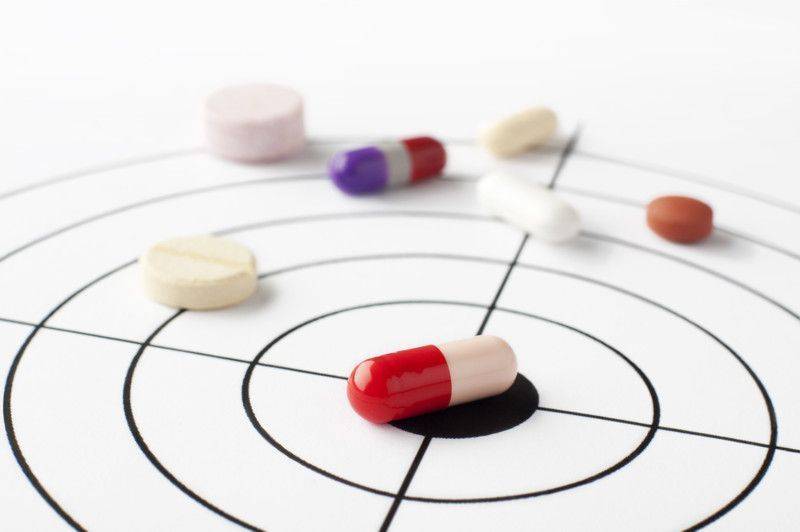
Smart drugs are treatments directed at genetic targets , targeting specific genes, proteins or tissues that allow cancer to develop and survive. Discovered after the 1980s, they target cancer-specific weaknesses, stopping cancer cell proliferation or slowing growth while causing much less harm to normal cells.
These new-generation smart drug treatments target the following cellular processes:
- Hyperactive genes: DNAmutations accumulating and activating proto-oncogenes while inactivating tumor suppressor genes (for cancer-related genes, see).
- The constant drive for cancer cells to proliferate through intracellular signaling pathways,
- Apoptosis (programmed cell death) signals being resisted,
- Mechanisms by which cancer cells metastasize and
- Angiogenesis: formation of new blood vessels for the tumor.
Targeted therapies cannot be used for every patient or cancer type. To use a targeted drug, suitability generally needs to be assessed through genetic tests .
Targeted cancer drugs are considered in 3 classes:
- Small-molecule drugs
- Monoclonal antibodies
- Antibody-drug conjugates
Most drugs directed at genetic targets are small-molecule tyrosine kinase inhibitors and monoclonal antibodies. Small-molecule drugs can easily be recognized by the ending “-ib” and monoclonal antibodies by “-ab” in their names. Tyrosine kinase inhibitors are anticancer agents taken orally (by mouth). Monoclonal antibodies are administered parenterally (mostly by intravenous infusion, with a few given by injection under the skin).
1. Small-molecule drugs
Small-molecule drugs are agents small enough to enter target cells easily and exert their effects. Most used in cancer treatment target specific intracellular factors involved in cell proliferation, survival, migration and angiogenesis. Because they have specific targets, they are often called targeted agents. However, other drug types, such as monoclonal antibodies, can also be considered targeted agents.
There are many classes of small-molecule drugs defined by the factor or process they inhibit. One large class is tyrosine kinase inhibitors, molecules suppressing proteins (tyrosine kinases) found inside or expressed by cells. Examples in lung cancer are drugs targeting EGFR and ALK receptor mutations.
Side effects associated with small-molecule drugs vary by mechanism of action, and most are considered mild.
Small-molecule drugs are typically administered orally (by mouth), making them convenient for most patients.
2. Monoclonal antibodies
Monoclonal antibodies (mAb) are large biological agents—produced from living organisms—developed in the laboratory and specifically designed to recognize and bind targets in the bloodstream. In doing so, they inhibit a receptor and cell signaling flowing inward from the cell membrane, indirectly triggering functions such as apoptosis or immune system activity. Some monoclonal antibodies are considered targeted treatments because they target a specific protein in a signaling pathway. Examples include trastuzumab targeting the HER2 receptor or bevacizumab targeting vascular endothelial growth factor (VEGF) . New-generation immunotherapies , described in detail below, are also monoclonal antibody drugs designed to allow the immune system to recognize a cancer cell as foreign.
Side effects associated with monoclonal antibodies depend on their specific mechanisms. However, all can cause allergic responses such as anaphylactic or infusion-related reactions (during intravenous infusion). Most side effects are considered mild.
Because of their large size and composition from molecules typically broken down in the stomach’s acidic environment, monoclonal antibodies are given intravenously.
3. Antibody-drug conjugates
Antibody-drug conjugates have a dual mechanism: they capture a specific target expressed on cancer cell surfaces, then release a cytotoxic (cell-killing) agent after reaching it. They consist of 3 different components to accomplish this:
- a monoclonal antibody serving as the carrier,
- a small molecule serving as the cytotoxic agent, and
- a linker connecting the small molecule to the antibody.
Because these agents target cancer cells, more powerful small molecules can be used with fewer off-target effects than conventional chemotherapy.
The mechanisms of side effects associated with antibody-drug conjugates are not fully understood, but appear mainly related to their small molecules’ mechanisms of action. Allergic reactions are also possible because these drugs contain antibodies, which are immunomodulatory (immune-regulating) components. Like monoclonal antibodies, antibody-drug conjugates are typically given intravenously. One of the best-known drugs of this type, used in breast cancer treatment, is Kadcyla (ado-trastuzumab emtansine).
Cancer immunotherapy

After drugs targeting cancer cells, treatments working by removing the immune system’s braking mechanism , called immune checkpoint inhibitors , began to be developed after the 1990s. Today, the important role of the immune system in recognizing and treating cancer is understood. The tumor is no longer the only target; so are the tumor microenvironment and immune system. Mechanisms by which tumors evade immune surveillance (CTLA-4, PD1 and PD-L1) have been identified, and drugs acting on these mechanisms are called immunotherapies . In short, rather than directly killing or targeting cancer cells, these immunotherapies aim to support the patient’s immune system so it can perform its function. Immunotherapies are proving effective against more cancer types every day; currently in our country, they are approved for malignant melanoma skin cancer, kidney cancer and certain lymphoma subtypes.
- Related topic: What are the side effects of immunotherapy drugs and how are they treated?

Combination treatments
Cancer is a complex group of diseases with multiple causes, reaching 1000 types when subtypes and rare forms are counted. It is now much better understood that such a disease often cannot be treated with a single drug or method. Successful, lasting results today are achieved by combining many of the drugs described above and other cancer treatments (such as surgery, radiotherapy, hyperthermia, regional ablative therapies and minimally invasive operations). At this point, multidisciplinary teamwork involving specialists is very important.
Sources
2. National Cancer Institute. Chemotherapy to treat cancer. Posted April 29, 2015.
3. Imai K, Takaoka A. Comparing antibody and small-molecule therapies for cancer. Nat Rev Cancer. 2006.
4. Vezina HE, Cotreau M, Han TH, Gupta M. Antibody-drug conjugates as cancer therapeutics: past, present, and future. J Clin Pharmacol. 2017.
Was this article helpful?
Your feedback helps us improve our content.




Reader comments
Share your comment
Your name and comment are published only after administrator approval. Your email address is never shown to visitors.
Be the first to comment.