
What Is Oncology? Medical Oncologists, Radiation Oncologists and Other Concepts

In this article
What Is Oncology?
Oncology is the science concerned with tumors and cancers. “Onco” means a mass or tumor, while “-logy” means the study of a field.
What Is Medical Oncology?
Medical oncology is a subspecialty in which physicians undertake advanced specialist training in oncology. Becoming a medical oncologist requires a further 3 years of training after specializing in internal medicine. Medical oncology primarily concerns cancer treatment with medicines, including chemotherapy, hormonal treatments, smart medicines and immunotherapies. Medical oncologists also oversee the entire cancer treatment process.
Doctors specializing in oncology are called cancer specialists or medical oncologists. A medical oncologist is a physician with expertise across the whole cancer process: prevention, risk, diagnosis, treatment planning and delivery, and supportive treatments.
What Is Radiation Oncology?
Radiation oncology is a specialty undertaken by physicians after basic medical training. Radiation oncology is the medical science investigating radiotherapy treatment procedures and their effects on cancer cells.
What Is Gynecological Oncology?
Gynecological oncology is the medical field concerned with cancers specific to women. Physicians become gynecological oncologists through subspecialty training after specializing in obstetrics and gynecology. Gynecological cancers include uterine, cervical, ovarian, vulvar and vaginal cancers.
What Is Surgical Oncology?
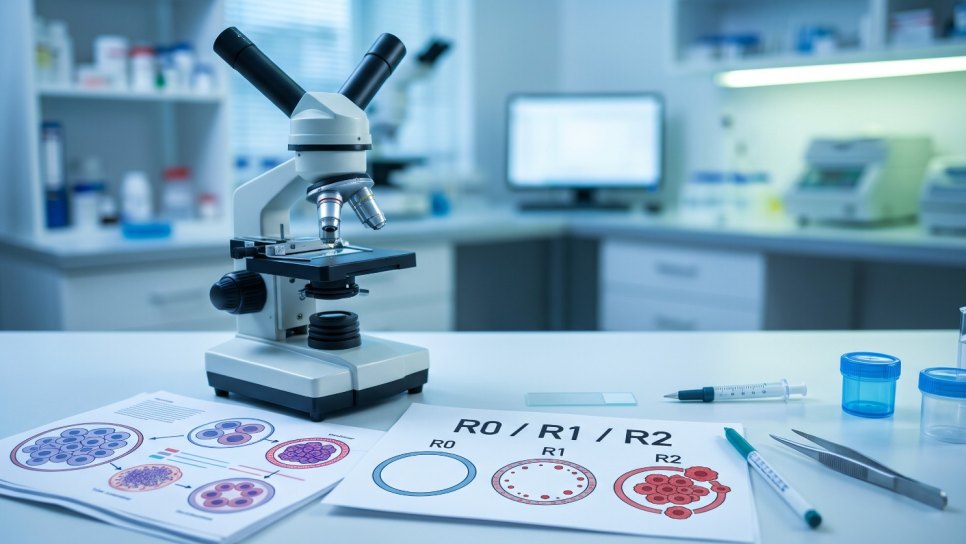
Cancer operations are often performed by oncological surgeons with advanced expertise in surgery for the cancer concerned. During cancer surgery, the surgeon removes the tumor intact together with some surrounding normal tissue (called clear or negative surgical margins). Nearby lymph nodes are also often removed to detect cancer cells that may have spread.
What Is Pediatric Oncology?
Pediatric oncology is the medical specialty concerned with childhood cancers, often called pediatric hematology-oncology. The most common childhood cancers are leukemia, central nervous system tumors, lymphoma, soft tissue sarcomas, neuroblastoma, kidney cancer, bone cancer, germ cell cancers and retinoblastoma.
What Is Cancer?
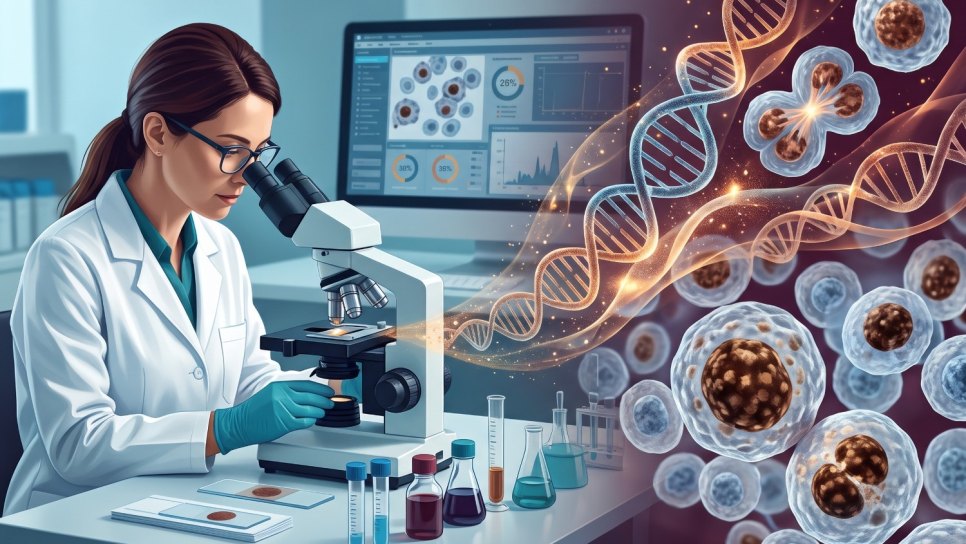
Every cell in the body has a tightly regulated system controlling its growth, maturation, multiplication and death. Cancer begins when genetic damage develops and accumulates at the cellular level, causing cells in one part of the body to escape control. There are many cancer types, but uncontrolled, abnormal cell proliferation is common to all.
- Related topic: Why and How Does Cancer Develop? The Whole Process in Brief!
How Common Is Cancer?
Today, millions of people have a cancer diagnosis or have experienced the disease in the past. The world has 7,75 billion people, and approximately 19,3 million new cancer diagnoses occur each year. Cancer is the second leading cause of death worldwide after cardiovascular disease (the 1st in some countries). Globally, cancer incidence is not increasing, but the total number of people with cancer and new diagnoses is rising, particularly because of increasing average life expectancy (more than %65 of cancers are diagnosed over age 65).
How Long Has Cancer Existed?
The oldest known evidence of cancer belongs to a dinosaur fossil discovered in 2003, with evidence of a tumor in its jawbone. Cancer therefore predates even human history. The oldest human evidence of cancer is found among mummies and ancient manuscripts from Egypt around 3000 BC.
The first known description of cancer appears in the Edwin Smith Papyrus, a book describing trauma surgery. It describes treating 8 cases of advanced breast cancer with cautery and also dates to around 3000 BC. The following statement stands out: “When the breast cannot be touched, is swollen and cancer has spread throughout it, the disease cannot be cured.”
How Is Diagnosis Made in Oncology?
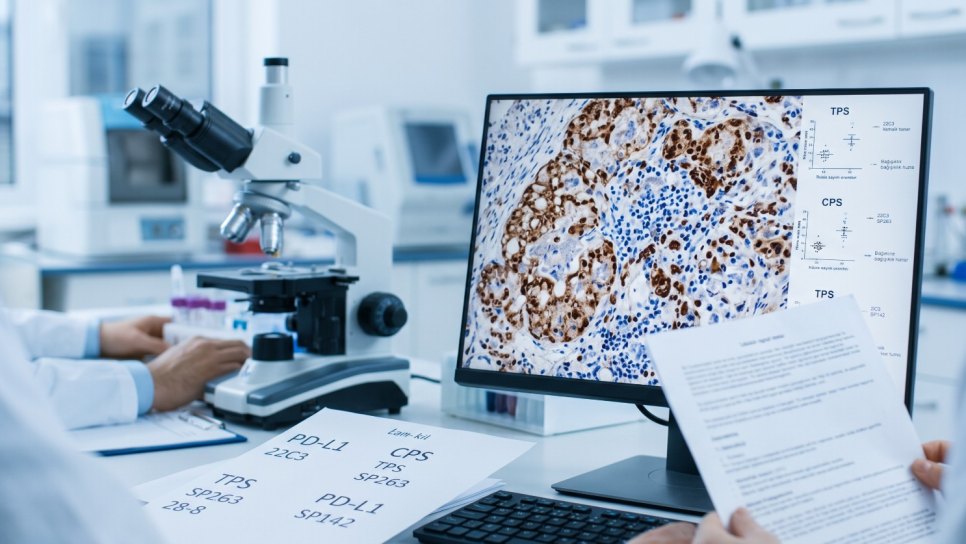
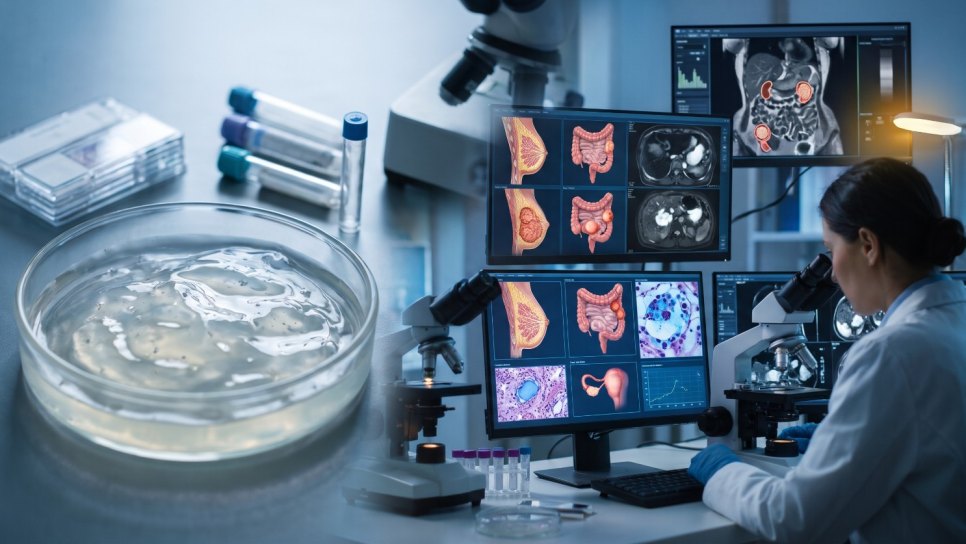
The patient’s clinical history remains the most important diagnostic tool. Common symptoms suggesting cancer include fatigue, weight loss, unexplained anemia, fever of unknown cause, palpable masses and new or worsening symptoms. Taking a tissue sample (biopsy) from a suspected tumor and examining it microscopically has a special place in oncology; biopsy and pathological evaluation are indispensable.
Other Common Diagnostic Tools in Oncology;
Examining the gastrointestinal system using instruments with a light and small camera at the tip (endoscopic procedures)
- Ultrasound
- Computed tomography
- Magnetic resonance imaging
- Positron emission tomography (PET) scanning are examples of imaging studies.
Other Specialists in Oncology
Cancer treatment today is multidisciplinary teamwork. Advanced cancer centers have teams working in an integrated way, much like a unified team.
The main specialists involved in cancer care include:
- Medical oncologist
- Hematologist
- Oncological surgeon
- Nuclear medicine specialist
- Radiologist and interventional radiologist
- Radiation oncologist
- Pathologist, molecular pathologist and genetic specialist
- Infectious disease specialist
- Palliative care specialist
- Psycho-oncology specialist
- Complementary and alternative medicine specialist
- Patient education nurses
The Concepts of Relapse and Remission
Cancer returning after initial treatment is completed is called recurrence or relapse. Disappearance of all disease findings after treatment is called remission. Detecting recurrence early and following patients in remission are important responsibilities of oncologists.
An Important Overlooked Concept: Palliative Care
Palliative care consists of interventions to relieve effects of cancer itself and treatment-related side effects and conditions impairing quality of life. Previously considered only for advanced-stage (terminal) patients, palliative care is now accepted as a part of treatment from the time of diagnosis.
Cancer Screening – Early Cancer Diagnosis
There are more than 150 cancer types, and most have no screening test. However, an important advantage is that screening tests exist for the most common cancers closely associated with lifestyle and environmental carcinogens: lung, breast, colon, cervical and uterine cancers. Most cancer screening tests in our country are offered free through KETEM centers.
- Related topic: Current Cancer Screening Programs: Which Tests Allow Early Diagnosis of Which Cancers?
Advances in Oncology
Oncology is undoubtedly the most extensively researched field of medicine. More than half of all clinical trials worldwide are conducted in cancer. Extensive research covers every area of oncology, from cancer cell biology and molecularly targeted treatments to immunotherapies and optimal palliative care. This makes oncology a continually changing and developing field.
Was this article helpful?
Your feedback helps us improve our content.
Reader comments
Share your comment
Your name and comment are published only after administrator approval. Your email address is never shown to visitors.
Be the first to comment.