
A Miracle or Immunology? Saint Peregrine and Cancer That Healed Spontaneously

In this article
Day 38 (Cancer History in 365 Days Series)
How did the recovery of a priest whose leg was about to be amputated in the 13th century inspire the birth of modern cancer immunotherapy centuries later?
Medical history is generally seen as a collection of steps taken in laboratories and clinics. Yet science sometimes lies in the most unexpected places: old monastery records and unexplained "miracles". In the history of oncology, there are moments when, at a point where the surgeon's knife and the physician's medicine were powerless, the immense potential within biology itself emerged.
The most famous of these moments is the story of a priest who lived in Italy in the 13th century, Saint Peregrine Laziosi. Known today as the "patron saint of cancer patients", Peregrine's case is not merely a religious legend; it is one of history's earliest and most concrete clinical pieces of evidence that the body's immune system (immunity) can fight cancer. In modern medicine, this event is the prototype of the phenomenon called "Spontaneous Tumor Regression" (regression occurring on its own).
The "Dark Mass" in the Priest's Leg
Location: Forlì, Italy. Date: The late 13th century.
A rebellious political activist in his youth, Peregrine later turned to religion and joined the Servite Order. One of the harsh penances he imposed on himself was never to sit unless necessary and to remain constantly standing. Years of this practice had caused severe varicose veins and circulatory problems in his right leg by the time he reached his 60s.
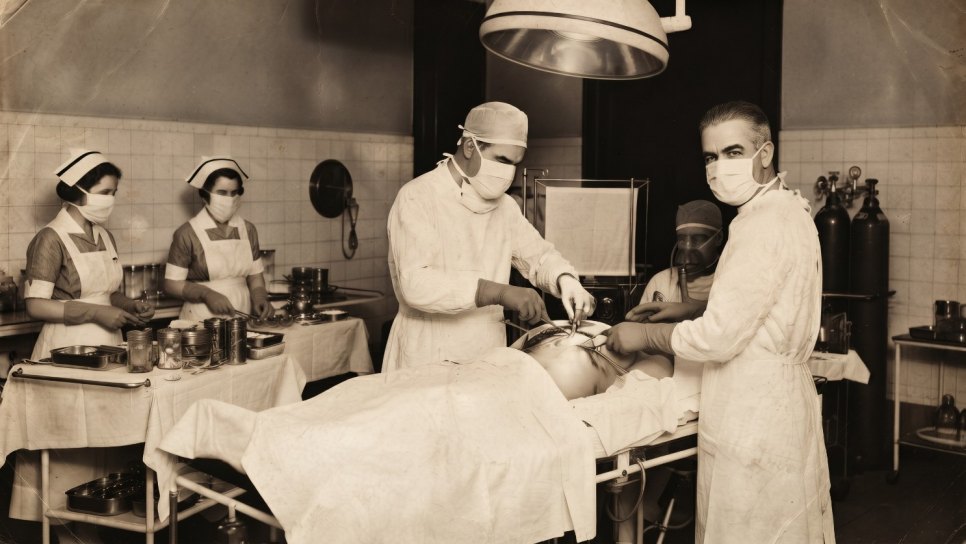
Over time, an enormous, extremely foul-smelling and intensely painful mass developed over the shinbone (tibia), breaking through the skin and protruding outward. The surgeons of the time had made the diagnosis: Cancer. And the medicine of that day had only one solution: immediate removal of the leg (amputation).
The night before the operation, Peregrine crawled to the cross in the monastery chapel and prayed until morning. That night, amid high fevers, he had a vision. When the surgeons arrived the following morning with saws in hand, they could not believe their eyes: the tumor had completely disappeared, the open wound had closed, and the leg looked healthy. No knife had touched it, yet the cancer was gone.
Modern Medical Analysis: What Was Peregrine's Disease?
After this event, Peregrine lived for another 20 years and died at 85 without a cancer recurrence. What, then, was the medical reality behind this event recorded as a "miracle" in the 1300s? Retrospectively analyzing the case, modern oncology considers three strong possibilities:
A primary bone tumor. It is usually seen in young people but is also possible at an advanced age. Spontaneous recovery is very rare.
It could have been a mass caused by osteomyelitis or syphilis, which was unknown at the time. However, the experienced surgeons' insistence on "cancer" weakens this possibility.
Squamous cell carcinoma developing on the background of Peregrine's long-standing varicose veins and chronic wounds. It is the diagnosis that best fits the clinical picture.
The Healing Power of Fever: The Immunological Mechanism
Peregrine's recovery was no coincidence. When the tumor broke through the skin and opened to the outside (ulceration), Peregrine probably contracted a severe bacterial infection (erysipelas). This infection caused a "Cytokine Storm" in the body. Here is the biological battle that took place that night in the light of modern science:
1. Bacterial Invasion
Streptococcus pyogenes bacteria entered through the open wound and triggered a severe infection.
2. High Fever and Alarm
Body temperature rose dangerously. The immune system went on "red alert".
3. Immune Activation (Awakening)
Immune cells that normally "ignored" the cancer recognized the tumor amid the chaos created by infection. Powerful molecules such as TNF-alpha (Tumor Necrosis Factor) were released.
4. Crossfire and Destruction
The activated T cells targeted and destroyed not only the bacteria but also the cancer cells. The tumor could no longer obtain nourishment and disappeared, "melting away".
Historical Legacy: Coley's Toxins
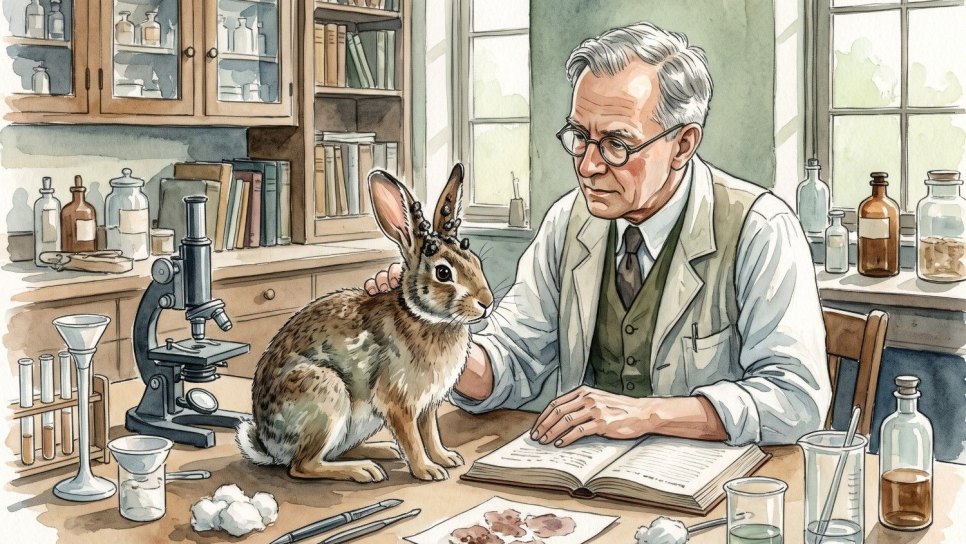
This event did not remain merely in history. In the 19th century, the American surgeon William Coley observed a similar case: a sarcoma had disappeared in one of his patients who developed erysipelas. Coley reviewed the literature, including Peregrine's case, and developed this revolutionary idea: "If nature can defeat cancer through infection, we can imitate it."
Thus, the first cancer vaccine/immunotherapy derived from bacteria, known as "Coley's Toxins", was born. Today's modern immunotherapy drugs (checkpoint inhibitors) are in fact based on the fundamental principle that happened by chance in Saint Peregrine's leg: Awakening the body's own army against cancer.
DROZDOGAN ACADEMY COMMENTARY
The case of Saint Peregrine Laziosi is a beautiful example of how science sheds dogma and searches for truth. This event, seen for centuries as "divine grace", was in fact a victory for biology's most powerful weapon: the "immune system".This historical episode reminds us that cancer treatment is possible not only through externally administered drugs but also by activating the body's own inner potential. The immunotherapies we use today are the legacy of that "feverish night" in a monastery in the 13th century. Medical history hides the keys to the future in the dusty pages of the past.
References
- 1. William Bradley Coley, MD, and the phenomenon of spontaneous regression - PubMed (2026)
- 2. Peregrine Laziosi - Wikipedia
- 3. Cutaneous cancers and chronic leg ulcers - Phlebolymphology
- 4. What Can Trigger Spontaneous Regression of Breast Cancer? - MDPI
Was this article helpful?
Your feedback helps us improve our content.


Reader comments
Share your comment
Your name and comment are published only after administrator approval. Your email address is never shown to visitors.
Be the first to comment.