
A Physician in the Palace's Shadow: Aetius of Amida, Poisons, and Sacred Words

In this article
As medical history's pendulum swung from Roman pragmatism toward Byzantine mysticism, a versatile figure emerged: Aetius of Amida (AD 502-575).
Born in Amida, Mesopotamia—modern Diyarbakır—and shaped by Alexandria's dusty libraries, Aetius was more than a physician. He was a high-ranking official at Emperor Justinian's court, Empress Theodora's confidant, and Byzantine medicine's greatest encyclopedist.
Aetius exemplified the court physician, combining medical knowledge with palace intrigue and imperial power. His Tetrabiblon (Sixteen Books) uniquely blends ancient surgical knowledge, Christian prayers, and Eastern poisons.
1. The Empress's Secret: Gynecology and Cancer
Aetius devoted far more attention to gynecology and breast disease than contemporary standards. Historians believe this detailed knowledge may have come from Byzantium's most powerful woman, Empress Theodora .
An actress and dancer in youth, Theodora is said to have died later from breast cancer or its complications. Aetius's detailed knowledge of contraceptives, abortifacients, and cosmetics reflects her earlier life. In the palace's private rooms, he witnessed a woman's struggle with cancer as both surgeon and priest.
2. Proto-Chemotherapy: Arsenic and Realgar
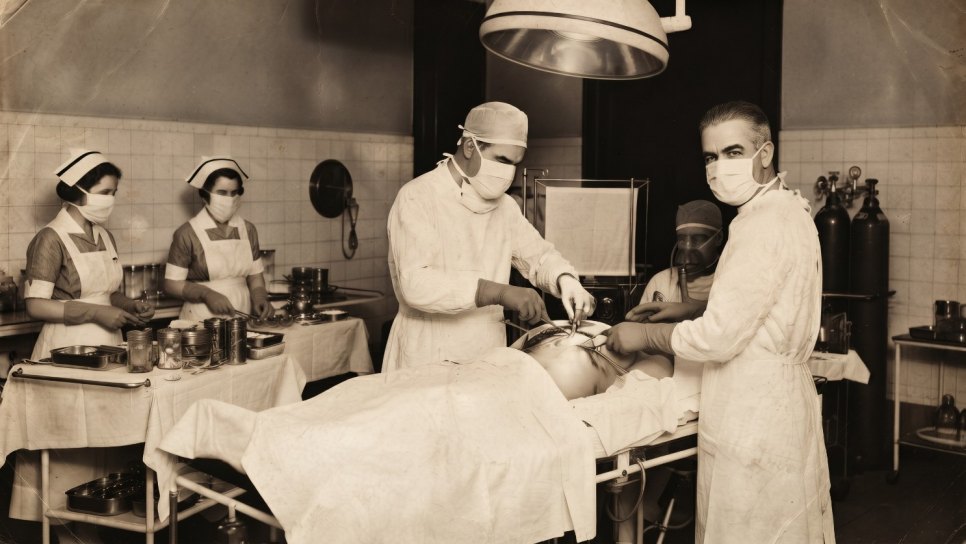
Aetius, inherited Leonides’ (Day 22) surgical "cut and burn" technique , adding a critical point: cauterization was essential not only to stop bleeding but also to dry out remaining roots.
His radical approach began where the blade could not reach. Aetius developed a pharmacological strategy to kill tumors by poisoning them—a very primitive, toxic ancestor of modern chemotherapy.
Red arsenic sulfide (sandarach). Aetius added this poison to ointments applied to ulcerated tumors, aiming to cause necrosis—tissue decay—so the tumor would fall away.
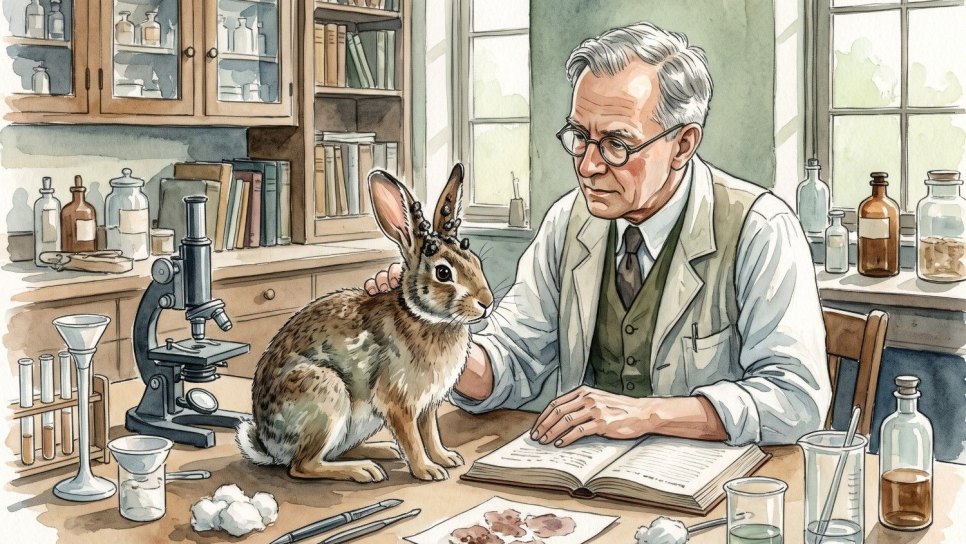
Dragon arum, or snake lily. This plant causes severe irritation and tissue death on skin contact and was used to destroy tumors. Hellebore and euphorbium (spurge) also formed part of this dangerous mixture.

3. Rationality and Mysticism: When Medicine Meets Prayer
Aetius's most distinctive departure from his predecessors was integrating faith into rational medicine. Pagan spells gave way to Christian prayers, and talismans to sacred symbols. For him, the physician was more than a technician: a channel of divine healing.
—A prayer Aetius recommended while preparing ointments.
For a bone stuck in the throat, he also recommended: "Lazarus, come forth; Christ calls you," spoken while touching the patient.
Sources Consulted
- Karamanou M, et al. "Oncology in the Byzantine Era." JBUON.
- Lascaratos J. "The Miraculous Cures of Cancer in Byzantium." Journal of BUON.
- Scarborough J. "Early Byzantine Pharmacology." Dumbarton Oaks Papers.
- "Aetius of Amida." Wikipedia.
Was this article helpful?
Your feedback helps us improve our content.
Reader comments
Share your comment
Your name and comment are published only after administrator approval. Your email address is never shown to visitors.
Be the first to comment.


Medicine's Multifaceted Nature
Aetius of Amida is among antiquity's most interesting representatives of the modern biopsychosocial approach. He incorporated not only the scalpel—the biological dimension—but also patients' beliefs and inner lives: the psychosocial and spiritual dimensions.
His arsenic and caustic plants may frighten us today, but these experiments planted early seeds of cytotoxicity: destroying cancer cells through poisoning. With limited, dangerous tools, he tried to offer desperate patients hope, blending medicine with imperial power and the church's prayers.