
How Did a Tumor Change World History? Queen Atossa’s Secret

In this article
Day 15 (History of Cancer in 365 Days Series)
Why did an empire’s most powerful woman hide a deadly secret in her breast? And how did that secret change world history?
In previous installments, we explored ancient Egyptian medicine and environmental cancers. Today, we turn to the heart of the Persian Empire, the palace at Susa. Passed down to us through the writings of Herodotus, the father of history, the story of Queen Atossais the earliest known evidence that cancer is not merely a medical case, but also a profound psychological and sociological phenomenon.
This story describes how “shame” delayed diagnosis and how a single tumor lit the fuse of a vast conflict—the Greco-Persian Wars.
A Tumor’s Historical Journey
550 BC
Atossa’s Birth: She was born the daughter of Cyrus the Great, founder of the Persian Empire.
520 BC (Approx.)
Onset of Illness: Atossa noticed a lump (phuma) in her breast but concealed it.
519 BC
Democedes’ Intervention: The captive Greek physician Democedes treated the queen and obtained a promise in return.
518 BC
The Beginning of War: After recovering, Atossa persuaded her husband Darius to launch a campaign against Greece.
1. The Silent Cry in the Palace: The Shame Factor
A striking detail appears in the third book (Thalia) of Herodotus’ “Histories” (Historiai). Queen Atossa, the empire’s most powerful woman, notices a “lump” or “boil” in her breast (Greek: phuma). Contrary to modern medicine’s principle that “early diagnosis saves lives,” however, Atossa keeps the condition secret.
“Aischunē” (Shame)
Herodotus explains the queen’s reason for concealing her condition in a single word: Shame. In the ancient world, a physical deformity or illness was seen as a sign of weakness. For a queen, deterioration of her body meant a weakening of her power. Unfortunately, this “patient delay” allowed the tumor to grow, ulcerate and spread.
2. The Captive Physician Democedes and Treatment
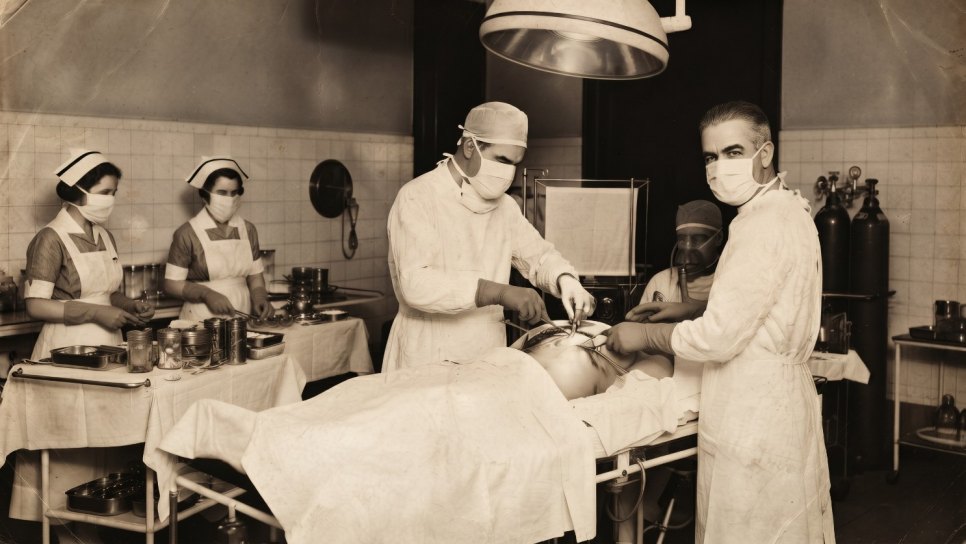
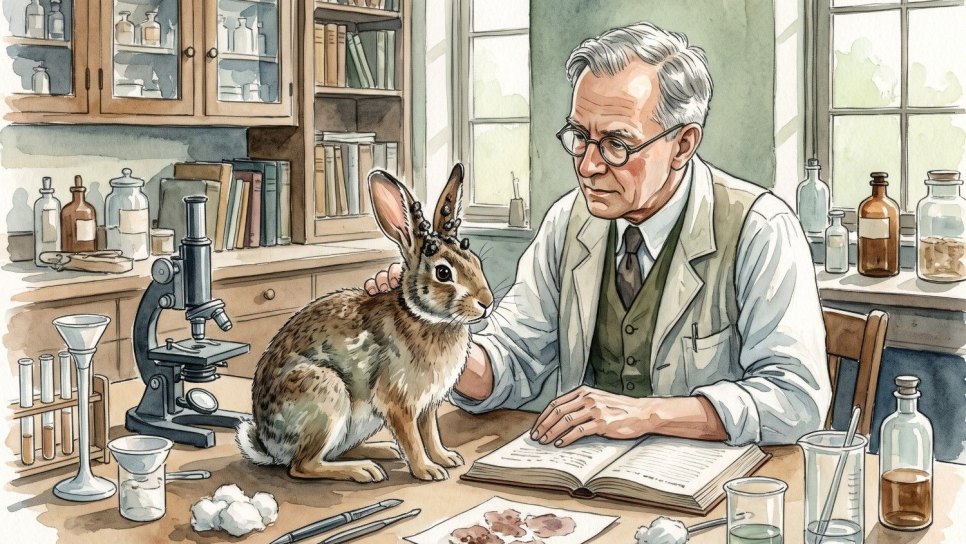
When the disease could no longer be hidden and reached “dangerous” proportions, Atossa desperately sought help from a captive Greek physician at court: Democedes of Croton. Democedes, the most famous physician of his time, agreed to treat the queen, but on one condition:
“I will cure you, but in return you must do what I ask of you.”
Cancer or Mastitis? Medical historians still debate this case. Some, such as Mukherjee, argue that it is the first recorded case of breast cancer, while others think it was a severe “Breast Abscess” (Mastitis), because the queen recovered and lived for many years afterward. Democedes probably drained the abscess surgically and cleared the infection with herbal poultices.
Why Could Democedes Say “I Can Cure You”?
For a captive physician to promise a definite cure to the Persian Empire’s most powerful woman required more than ordinary confidence.
Democedes was most likely familiar not only with Greek medicine, but also with ancient Egypt’s wisdom based on surgery and clinical observation . The Edwin Smith and Ebers papyri describe some swellings in the breast region as inflammation, abscesses and draining lesions and explain that these could be healed with drainage and local treatments. Sensing that the formation in the queen’s breast was more an abscess-like condition than a tumor may have given Democedes the courage to promise a cure.
Cancer or Mastitis? Medical historians still debate the case. Some argue that it is the first recorded breast cancer, while others think it may have been a severe breast abscess because of her recovery and long life.
3. How Did a Tumor Change World History?
The Physician’s Wish
Democedes’ request to the queen was simple: freedom and a return to his homeland, Greece. But he could not ask King Darius directly.
The Queen’s Move
The recovered Atossa kept her promise. She went to her husband Darius and asked him to abandon the Scythian campaign and launch an expedition against Greece (Hellas). Her stated reason was that she wanted Athenian and Spartan servants.
At his wife’s request, Darius sent an advance party to the Greek coast with Democedes as its guide. During this expedition, Democedes managed to escape. More importantly, however, the event laid the groundwork for the Greco-Persian Wars(including Marathon and Thermopylae). A simple breast lesion created a butterfly effect that reshaped the ancient world’s geopolitical map.
Was this article helpful?
Your feedback helps us improve our content.


Reader comments
Share your comment
Your name and comment are published only after administrator approval. Your email address is never shown to visitors.
Be the first to comment.