
Salpingectomy 1883 – Treating Ectopic Pregnancy

Surgeon Harold Ellis wrote, "Until 1883, ectopic pregnancy was a death sentence" .
Although some pioneering surgeons had successfully removed ovarian cysts from suffering women since 1809, "for certain reasons, surgeons could still find themselves helpless."
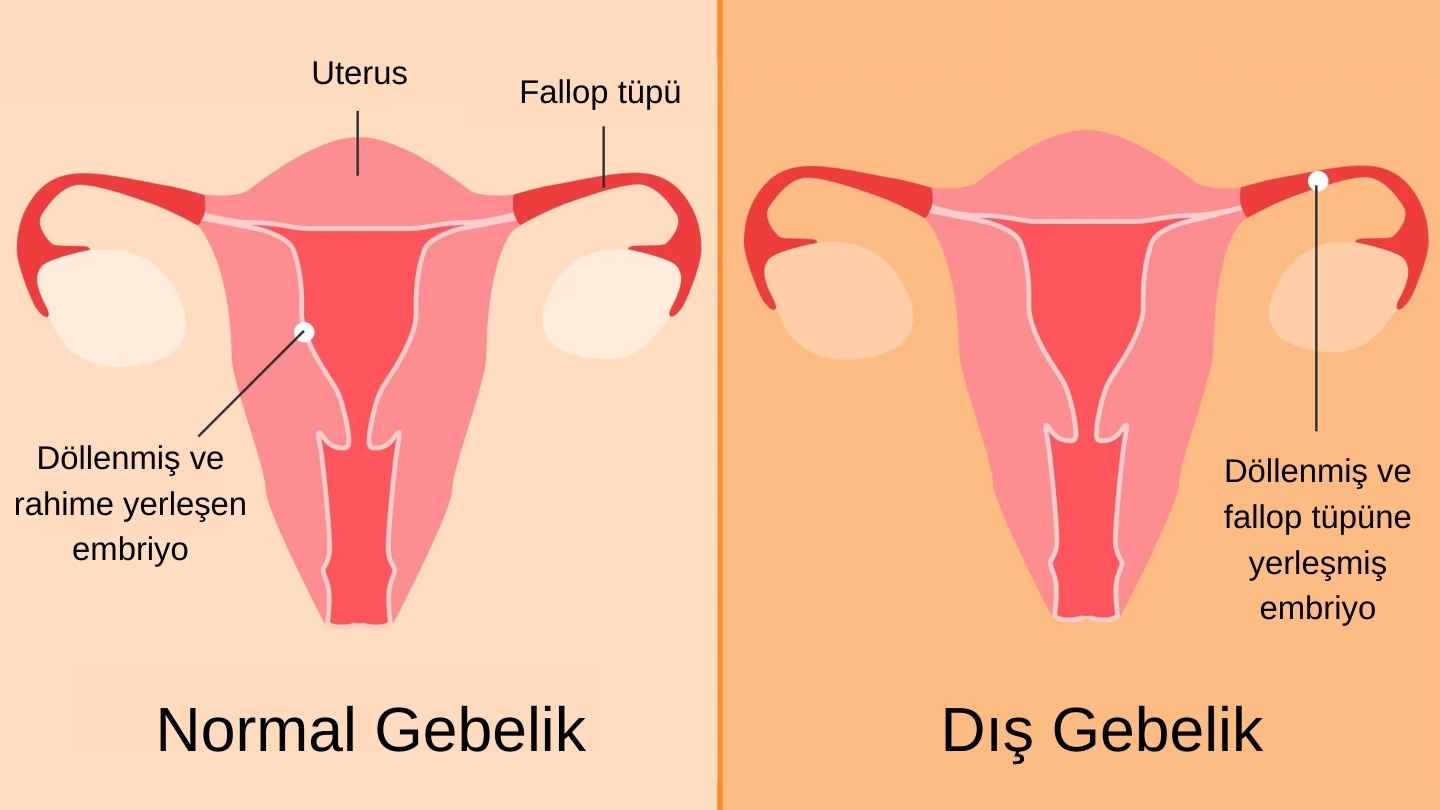
Normally, an egg is fertilized in the fallopian tube leading from a woman's ovary to the uterus. After entering the uterus, the fertilized egg, or zygote, implants in the uterine wall, and the embryo develops inside the uterus. Sometimes, however, in an ectopic pregnancy, the zygote implants outside the uterus, for example in the wall of the narrow fallopian tube. If the fallopian tube ruptures or is close to rupturing, it may need to be surgically removed to protect the woman's life.
In 1883, Scottish surgeon Lawson Tait performed the first surgical removal of a fallopian tube, a procedure called salpingectomy. The surgeon described his first salpingectomy as follows: "The right fallopian tube had ruptured, and the placenta was protruding from it. I tied off the tube and removed it. I looked for the fetus but could not find it. It must have disappeared among the intestinal folds and been absorbed. The patient had a very long recovery, but ultimately recovered completely."
Salpingectomy, which has saved countless women's lives since 1883, may also be performed for some cancers or dangerous infections. Today, if an ectopic pregnancy is detected early in pregnancy:
- Salpingectomy can sometimes be avoided by stopping the developing embryo's growth with the medicine methotrexate.
- In some cases, if the ectopic pregnancy has not irreversibly damaged the fallopian tube, the doctor may make a small incision in the tube to remove the misplaced embryo, performing a salpingostomy.
- The fallopian tubes can also be operated on using minimally invasive laparoscopic surgery.
Description of the Article Image: A photograph of an opened fallopian tube with an ectopic pregnancy and a 10-millimeter embryo approximately five weeks old.
Historical Figures Mentioned in This Article: Robert Lawson Tait (1845–1899)
Sources
Was this article helpful?
Your feedback helps us improve our content.


Reader comments
Share your comment
Your name and comment are published only after administrator approval. Your email address is never shown to visitors.
Be the first to comment.