
What Is an Intestinal Infection? Causes, Symptoms, and Treatment

In this article
An intestinal infection, commonly called a stomach bug or medically known as gastroenteritis , is a common condition affecting the digestive system. These infections are generally caused by viruses, bacteria, or parasites and produce symptoms such as diarrhea, abdominal pain, nausea and vomiting . Most cases improve quickly with early diagnosis and appropriate treatment, but untreated cases can cause severe dehydration and other complications. This article explains what intestinal infections are, how they develop, their symptoms, and how they are treated in detail. It also provides information on ways to prevent infection, dietary recommendations, and frequently asked questions to cover the subject comprehensively.
What Is an Intestinal Infection?
An intestinal infection is inflammation of the digestive system caused when microorganisms such as viruses, bacteria, or parasites infect the stomach and intestines. In medical terminology, this is called gastroenteritis . The infectious agent generally enters the body through the mouth , for example through inadequately washed food, drinking contaminated water , or contact with an infected person. Inflammation then develops in the digestive tract lining, causing diarrhea, vomiting, abdominal pain and fever . Intestinal infections affect all age groups and generally resolve on their own within a few days to a week. Some cases, particularly in people with weakened immunity, may be severe and require medical treatment.
What Causes Intestinal Infections?
The causes of intestinal infectionsrelate to the microscopic organisms responsible and how they enter the body. There are three main groups:
- Viral infections: Viruses such as norovirus, rotavirus, adenovirus are among the most common causes. Norovirus frequently causes foodborne diarrhea outbreaks in adults, while rotavirus more often causes severe diarrhea in children. Viral infections are highly contagious and spread easily through close contact or shared spaces.
- Bacterial infections: Escherichia coli (E. coli), Salmonella, Shigella, Campylobacter and Clostridioides difficile can also cause intestinal infections. Bacteria entering through spoiled or undercooked foods, such as meat, eggs, and milk , may cause acute infections described as food poisoning . Certain bacterial infections, such as Shigella or some toxin-producing E. coli strains, may cause bloody diarrhea and other serious illness.
- Parasitic infections: Giardia lamblia (giardiasis), Entamoeba histolytica (amoebic dysentery), and intestinal worms such asworms and tapeworms can also cause infections. Parasites generally spread through contaminated drinking water or inadequately washed vegetables and may cause longer-lasting diarrhea.
Once these microorganisms enter the body, they settle and multiply on the intestinal lining, causing inflammation. How Do Intestinal Infections Spread? Transmission generally occurs through the fecal-oral route , meaning that water or food contaminated with feces enters the mouth. The main risk factors include:
- Poor hygiene: Not washing hands thoroughly after using the toilet or before preparing food increases infection risk.
- Contaminated food and water: Unsafe drinking water, inadequately washed fruit and vegetables, and improperly cooked meat, poultry, or seafood can introduce pathogens.
- Spoiled or raw foods: Expired or improperly stored food and unpasteurized dairy products carry risks. Bacteria multiply particularly easily in food left out during summer.
- Contact with someone who is ill: Close contact with a person who has an intestinal infection, or sharing toilets, towels, or kitchen utensils, may spread pathogens.
- Disrupted intestinal flora: Disruption of beneficial intestinal bacteria, for example through broad-spectrum antibiotics, may allow opportunistic pathogens such as C. difficile to multiply and cause infection.
When these factors combine, harmful microorganisms establish themselves in the digestive system and cause infection. Particularly where clean water access is limited and in communal settings such as schools, nurseries, or care homes, intestinal infections may occur as outbreaks affecting multiple people.
Symptoms of Intestinal Infections
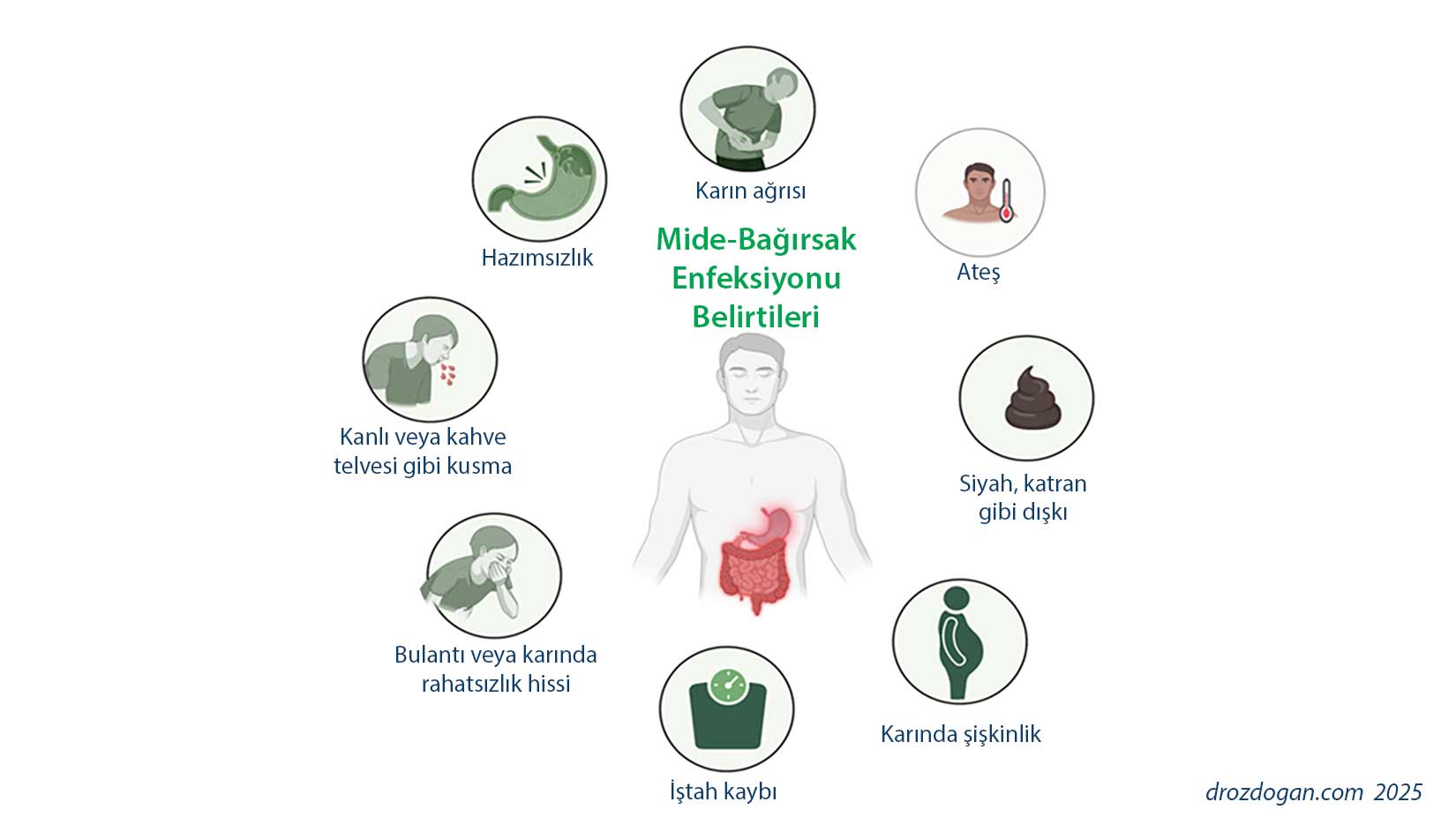
The symptomsof an intestinal infection vary with the microorganism and the person's overall health. They generally begin suddenly and include:
- Diarrhea: Watery, loose stools more than 3 times daily are the most typical symptom. Diarrhea may be foul-smelling or greenish. Some bacterial infections may also cause blood or mucus in the stool.
- Abdominal pain and cramps: Spasmodic abdominal cramps and pain may occur, particularly around the navel. Intestinal rumbling and excessive gas may accompany them.
- Nausea and vomiting: Early in the infection, nausea followed by vomiting is common. Vomiting forms part of the body's reflex to expel harmful microorganisms.
- Fever: As the body fights infection, a fever of 38°C or higher may occur. Fever tends to be higher in bacterial infections, while viral infections may produce a mild or moderate fever.
- Weakness and headache: Energy and fluid loss from diarrhea and vomiting may leave a person feeling tired and weak . Headachesmay occur because of dehydration or fever.
- Loss of appetite and weight loss: Nausea and general discomfort may reduce the desire to eat (loss of appetite). In infections lasting several days, temporary weight loss may occur.
Symptoms generally appear within 1-3 days after exposure to the infectious agent. In most mild-to-moderate cases, symptoms begin improving within 3-7 days . In some situations, however, severe dehydration can develop. Excessive fluid loss may cause dry mouth, dry skin, and reduced tears, diapers staying dry longer than usual in babies, reduced urination, a rapid heartbeat, or even confusion . Dehydration develops faster and is more dangerous in babies, young children, older adults, and people with chronic conditions. In serious situations, seek medical attention promptly.
Diagnosing Intestinal Infections
An intestinal infection is diagnosedusing the patient's history, physical examination, and laboratory tests when necessary. A medical consultation generally involves the following steps:
- Medical history and examination: The doctor first asks how long diarrhea and vomiting have lasted, what the stools are like, including whether there is blood, what you have eaten recently, which medications you take, and whether others around you have similar symptoms. A physical examination then includes checking the abdomen by touch and assessing tender areas. Your vital signs , such as pulse, blood pressure, and temperature, are checked to assess overall condition, particularly dehydration.
- Laboratory tests: Blood and stool tests may be requested according to the suspected condition. Blood tests check the white blood cell count, which indicates infection severity, and inflammatory markers such as CRP , as well as electrolyte balance, including sodium and potassium. Kidney function tests are also assessed in severe fluid loss.
Stool tests are important in diagnosis. A sample may be examined under a microscope for parasites or their eggs. A stool cultureis performed particularly when bacterial infection is suspected, identifying the organism responsible. Results generally take 48-72 hours. Rapid stool antigen tests for certain viruses, such as rotavirus in children, or molecular methods such as PCR may also identify viral causes. - Other investigations: Advanced imaging is generally unnecessary in acute intestinal infections. If another cause is suspected, however, such as appendicitis or bowel obstruction, the doctor may use ultrasound or computed tomography (CT) to investigate. Persistent or recurrent diarrhea may require endoscopy, such as gastroscopy or colonoscopy, to rule out other conditions, but these are not routine for simple infections.
Often, particularly in mild cases, the doctor diagnoses the infection from examination findings and begins treatment without further tests. In severe or prolonged cases, or those involving bloody diarrhea , laboratory testing is important to establish the underlying cause.
Treatment for Intestinal Infections
Most people recover completely within a few days with appropriate care. The main aims of treatmentare to replace lost fluids and electrolytes, relieve symptoms, and help clear the infectious agent. The approach depends on severity and cause:
- Rest: Because diarrhea and vomiting can weaken the body, rest is important. Particularly with fever or a deterioration in general condition, take time off work or school and rest at home.
- Fluid and electrolyte replacement: The most critical treatment is plenty of fluids. Options include water, herbal teas, diluted fruit juices, plain broths, and electrolyte solutions such as pharmacy-bought oral rehydration salts or sports drinks. If vomiting occurs, take frequent small sips of fluid. Severe vomiting that prevents drinking, or dehydration, may require hospital treatment with intravenous fluids to replace losses.
- Dietary adjustments: During diarrhea, light, low-fat foods should be chosen. Appetite may temporarily disappear; if the person does not want to eat, water and electrolytes alone for the first few hours may allow the stomach to rest. Then introduce rice porridge, boiled potatoes, bananas, and toast in small amounts as easily digested foods. Milk and dairy products and fatty, spicy, high-fiber foods should be avoided because they may strain the intestines and worsen diarrhea. A detailed list appears below under "Dietary Recommendations" for reference.
- Fever and pain control: For high fever or severe abdominal pain, consult a doctor about fever-reducing medications such as paracetamol and pain-relieving medications. However, aspirin and certain other medications must never be given to children because of the risk of Reye syndrome. Supportive measures such as a warm towel or hot-water bottle on the abdomen or sipping chamomile tea may also relieve cramps.
- Controlling nausea and vomiting: For persistent vomiting, a doctor may prescribe antiemetic medications to relieve nausea. Temporarily avoiding solid food and taking only water or electrolyte-containing fluids until vomiting decreases may help settle the stomach.
- Probiotic support: Pharmacy-supplied probiotic supplements, containing beneficial bacteria or yeasts, may help shorten infection-related diarrhea according to some studies. Yogurt or kefir and other probiotic-rich foods may also help intestinal function return to normal, provided excessive dairy intake is avoided.
- Antibiotics or Antiparasitic Treatment: Antibiotic treatment for intestinal infections is not necessary in every case; in most cases, it is not used. Most infections are viral , and antibiotics do not work against viruses. Inappropriate use can disrupt intestinal flora, worsen the condition, and cause unnecessary side effects. However, if stool testing identifies a specific bacterial infection , such as salmonella or dysentery, or the illness is very severe, the doctor may start appropriate antibiotic treatment. Similarly, when parasites are identified, antiparasitic medications, such as metronidazole for giardia, are used. These medications must be taken on a doctor's advice and prescription.
With these measures and treatments, intestinal infections generally begin improving within a few days. While symptoms resolve, avoid overexertion, rest, drink plenty of fluids, and be patient . If diarrhea and vomiting last longer than 2-3 days, you notice blood in the stool, or severe abdominal pain persists, do not neglect to seek medical help.
Dietary Recommendations for Intestinal Infections
Appropriate nutritionis crucial for speeding recovery and restoring lost energy. Because the stomach and intestines are sensitive, choose foods carefully . As a general rule, low-fat, unspiced, soft foods are preferred, while heavy, fatty, and sugary foods should be avoided. The table below summarizes foods recommended and best avoided during an intestinal infection:
| Recommended Foods | Foods to Avoid |
|---|---|
| Water and electrolyte-containing drinks: Water, mineral water, diluted apple juice, herbal teas such as linden, chamomile, or mint and lemon, and fluids containing sodium and potassium, such as chicken broth or rice water. | Caffeinated and alcoholic drinks: Tea, coffee, cola, and other caffeinated beverages, as well as alcohol, may increase water loss and irritate the intestines. |
| BRAT diet foods: Bananas, rice porridge, applesauce, and toast. These foods allow the intestines to rest and are easily digested. | Milk and most dairy products: Temporary lactose intolerance during infection may make milk, cream, or ice cream worsen diarrhea. Note: yogurt and kefir are fermented dairy products containing probiotics and may be consumed in small amounts. |
| Boiled or baked foods: Light meals such as boiled potatoes and carrots, lean boiled or baked chicken or fish, and well-cooked noodle soup. | Fatty and fried foods: French fries, savory pastries, fast food, clotted cream, and dishes with creamy or very fatty sauces may be difficult to digest and worsen diarrhea. |
| Salted crackers, roasted chickpeas, and puffed rice: These gentle snacks contain salt and replace some losses. They can be eaten in small portions. | Spicy and acidic foods: Very hot or spicy dishes, acidic fruit such as oranges and grapefruit, and foods such as tomato sauce, pickles, and vinegar may irritate the intestines. |
| Probiotic-rich foods: Homemade yogurt, kefir, and fermented drinks such as ayran, in moderation. These may support intestinal flora. | Very high-fiber raw vegetables and fruit: Apart from soft fruit such as apples and bananas, unpeeled or uncooked produce contains substantial fiber and may worsen diarrhea. Until recovery, steamed or boiled vegetables are preferable to raw salads. |
These recommendations aim to ease digestion during the acute infection. As diarrhea decreases and nausea improves, gradually return to your usual diet. Start with light soups, carbohydrates such as rice and potatoes, and boiled vegetables, then add lean protein and finally dairy over several days. Listen to your body: if a food increases abdominal pain or diarrhea, avoid it for a little longer and try again later. Continue drinking plenty of water and maintaining electrolyte balance during recovery.
How Are Intestinal Infections Managed in Children?
Childrenare among the groups most affected. Those attending nurseries and schools frequently encounter viral gastroenteritis outbreaks, such as rotavirus. Symptoms resemble those in adults: diarrhea, vomiting, fever, and abdominal pain. However, young children may not fully express their discomfort. Families should pay attention to the following:
- High fever and feeling unwell: A temperature above 39°C, persistent crying and irritability, or, conversely, drowsiness and lack of responsiveness are important warning signs requiring prompt medical attention.
- Signs of dehydration: Children can lose fluids very quickly. If a child has not urinated for 6-8 hours, a diaper stays dry longer than usual, there are no tears when crying, the mouth and tongue are dry, the eyes or, in babies, the soft spot are sunken, or pinched skin returns slowly to normal, serious dehydration is present. Oral fluids alone at home may not be sufficient, and intravenous fluids may require a hospital visit.
- Nutrition and fluids: As in adults, the most important treatment is oral rehydration , meaning fluids by mouth. Pharmacies sell special oral rehydration solutions (ORS) for children as powders to mix with boiled, cooled water. If the child is breastfed, continue breastfeeding; breast milk supplies fluid and immune-supporting factors. Older children should frequently receive water, apple juice diluted with an equal amount of water, lightly salted soups, or ayran in small sips . If vomiting occurs, offer one or two sips every 5-10 minutes and pause briefly to replace fluids without overloading the stomach.
- Introducing solid food: Do not force a child who does not want to eat; fluids alone may be sufficient during the first 24 hours. As appetite improves, offer rice porridge, yogurt, mashed potatoes, and bananas in small amounts. Watery foods the child likes, such as unsweetened stewed fruit or chicken broth soup, provide both fluid and some calories. Avoid foods that may strain digestion, such as milk, chocolate, or chips, until recovery.
- Medication use: Giving children antidiarrheal medications indiscriminately is inappropriate; they may hinder pathogen clearance and cause side effects. If necessary, a doctor may recommend zinc, which may help shorten diarrhea particularly in children under 5, or a probiotic. Antibiotics are given only in specific situations determined by the doctor, for example when a culture identifies Shigella or another bacterium. Paracetamol-containing syrups may be used for fever on medical advice, and ibuprofen may also be given, but aspirin must not be given to children.
- Monitoring and support: Monitor the child's overall condition closely. Seek medical help if clear dehydration develops despite home treatment, vomiting does not stop, or the child cannot keep anything down for longer than 24 hours . Fortunately, most intestinal infections in children resolve on their own within 5-7 days ; patience, adequate fluids, and appropriate care are essential during this time.
To protect children from intestinal infections, vaccines such as rotavirus vaccination are available, particularly as part of the routine schedule for babies under 2. Teaching handwashing and regularly cleaning shared toys and surfaces also help prevent spread.
Preventing Intestinal Infections
Intestinal infections can largely be prevented through hygiene and food safety measures. The following precautions reduce risk:
- Handwashing habits: Wash your hands with soap and water before preparing or eating food, after using the toilet, after changing diapers, and when returning home, for at least 20 seconds . Teach and encourage children to wash their hands too.
- Safe food: Cook foods at appropriate temperatures for sufficient time. In particular, meat, poultry, fish, and eggs must be cooked thoroughly. Avoid undercooked or raw foods, such as undercooked meat, unpasteurized milk, or raw seafood. Unpasteurized milk and dairy products should be avoided.
- Kitchen hygiene: Thoroughly wash utensils such as knives and chopping boards that contact raw food. Where possible, use separate knives and boards for raw meat and for produce. After handling raw food, clean worktops, boards, and hands with hot water and detergent.
- Cleaning fruit and vegetables: Thoroughly wash produce to be eaten raw under running water. Rinse leafy greens such as lettuce and parsley and soil-covered root vegetables several times with clean water. If necessary, soak them in vinegar water and rinse again.
- Use clean water: Choose drinking water from reliable sources. If tap water is unsafe, boil or filter it before drinking. Use clean water for ice as well. When traveling or staying in holiday areas, if water quality is uncertain, drink sealed bottled water rather than questionable water.
- Avoid questionable food: Never eat food that may have spoiled, including food with an altered smell or color or left out too long. Refrigerate cooked meals appropriately and do not leave them at room temperature for longer than 2 hours. Be cautious with food sold in the open during summer.
- Precautions while ill: If you or someone at home develops an intestinal infection, take care to prevent transmission. The person should use a separate toilet if possible; otherwise, clean it after each use with a disinfectant such as bleach. Everyone should use their own towel. Wash the ill person's plates and utensils at high temperatures, and disinfect contaminated clothing and bedding with a hot wash.
- Vaccination: Vaccinating young children against common causes such as rotavirus can prevent severe diarrhea in infancy. Rotavirus vaccine is given orally during the first months of life and prevents a large proportion of serious rotavirus diarrhea. Discuss vaccination with your child's doctor.
These precautions can substantially reduce intestinal infection risk. Remember that the most effective prevention involves following hygiene rules and ensuring food entering the body is clean and safe.
Frequently Asked Questions
Are Intestinal Infections Contagious?
Yes, most intestinal infections are contagious. Viral or bacterial diarrhea generally spreads through hands, surfaces, or food contaminated with an infected person's stool. Organisms such as norovirus are particularly contagious. Maintain careful hygiene during infection, keep ill people separate where possible, and wash hands frequently.
How Many Days Does an Intestinal Infection Last?
Duration depends on the microorganism and the person's condition. Viral gastroenteritis generally begins improving on its own within 2-3 days and resolves within a week at the latest. Bacterial infectionsgenerally improve within 5-7 days with supportive care or antibiotics when needed. Parasitic infectionsmay persist for weeks without appropriate treatment but resolve within 1-2 weeks with antiparasitic medications. Overall, most intestinal infections clear within one week . Consult a doctor if symptoms last longer than 1 week or worsen.
What Helps an Intestinal Infection?
During infection, drinking plenty of fluids and restingare among the most helpful measures. To prevent water and salt loss, water, herbal teas, stewed-apple liquid or pharmacy-supplied oral rehydration solutions are particularly useful. Eating gentle, light foods such as rice, mashed potatoes, bananas, and salted crackers is also important. Probiotic foods such as yogurt and kefir may also help diarrhea. Ginger or mint and lemon tea may calm nausea. Adequate sleep and rest without overexertion also speed recovery.
Are Antibiotics Needed for an Intestinal Infection?
In many cases, antibiotics are unnecessarybecause most infections are viral and antibiotics do not work against viruses. Unnecessary use may also damage beneficial intestinal bacteria and cause antibiotic resistance to develop. Antibiotic treatmentis started only when a doctor considers it appropriate, for example if a culture identifies Salmonella, Shigella or another bacterium, or if diarrhea is very severe or bloody. Do not take antibiotics for an intestinal infection without medical advice.
Are Intestinal Infections Dangerous?
Most intestinal infections are mild and resolve with appropriate care. However, dehydration (excessive fluid loss) is the main risk. Uncontrolled fluid loss can be dangerous or even life-threatening, particularly for babies, young children, older adults, and people with conditions such as heart or kidney disease. Regular fluid replacement can fortunately manage this risk. Very rarely, certain untreated bacterial infections may cause severe intestinal inflammation, bloody diarrhea, or bloodstream infection leading to sepsis and other serious illness. With appropriate medical care, however, most people recover without major complications.
Which Doctor Should I See for an Intestinal Infection?
Do not delay medical consultation for severe or persistent diarrhea. Intestinal infections generally fall within gastroenterology ; digestive disease specialists plan the necessary treatment. If no gastroenterologist is available locally, an internal medicine specialist may be consulted, or, for children, a pediatrics specialist. Your doctor will refer you to the appropriate department when necessary.
This information can help you protect yourself and your loved ones and seek medical help at the right time. Remember, washing your hands, eating safe food, and drinking plenty of fluids are the keys to prevention and prompt recovery.
Was this article helpful?
Your feedback helps us improve our content.



Reader comments
Share your comment
Your name and comment are published only after administrator approval. Your email address is never shown to visitors.
Be the first to comment.