
What Is Candida? Symptoms, Causes, and Treatment

In this article
What Is Candida?
Candida is a type of fungus that occurs naturally in the human body. It usually lives harmlessly in small amounts in the mouth, intestines, skin, and genital area. Candida albicansis the most common species and forms part of our normal flora. The immune system and beneficial bacteria normally keep Candida in balance. When this balance is disrupted, however, Candida can overgrow and cause an infection . Conditions that disturb the body's balance allow Candida to grow out of control and cause health problems.
Infections caused by Candida are medically known as candidiasis . These infections are opportunistic: they occur when the body's defenses weaken or the balance of its normal flora is disrupted. Candida most commonly affects the mouth, vagina, skin, and intestines . For example, it can cause oral thrush (white coating-like lesions), vaginal yeast infections in women, redness and irritation-like rashes in skin folds, or problems such as excessive intestinal gas and bloating. In people with severely weakened immunity, Candida can also enter the bloodstream and cause serious widespread infections, known as systemic candidiasis.
What Types of Candida Are There?
There are more than 20 different Candida species. Some can cause infections in humans. The most common species is Candida albicans. Candida albicans is responsible for most Candida infections, accounting for up to 90%.
Other common Candida species and their features are listed below:
| Candida Species | Features and Infections Caused |
|---|---|
| Candida albicans | The most common Candida species and the leading cause of infections in the mouth, vagina, and intestines. It is part of the normal flora but can cause infections such as oral thrush and vaginal yeast infections when conditions allow. |
| Candida glabrata | This is the second most common Candida species and may cause urinary tract and vaginal infections. It generally occurs more often in older people. In some cases, it may be resistant to treatment. |
| Candida krusei | This Candida species is resistant to certain antifungal medications . It can cause infections in people with weakened immunity and is more difficult to treat. |
| Candida tropicalis | It can cause serious infections, particularly in people with suppressed immune systems, such as those receiving chemotherapy. It may be found in bloodstream infections. |
| Candida auris | This Candida species has emerged in recent years as a cause of hospital-acquired infections and can be dangerous because of its resistance to various medications. |
Note: There are many other Candida subtypes, but most do not cause serious problems in healthy people. Candida albicans is not the only species that causes infections; other species generally do so in circumstances such as very frequent antibiotic use, prolonged hospital stays or severely weakened immunity .
What Are the Symptoms of Candida Infection?
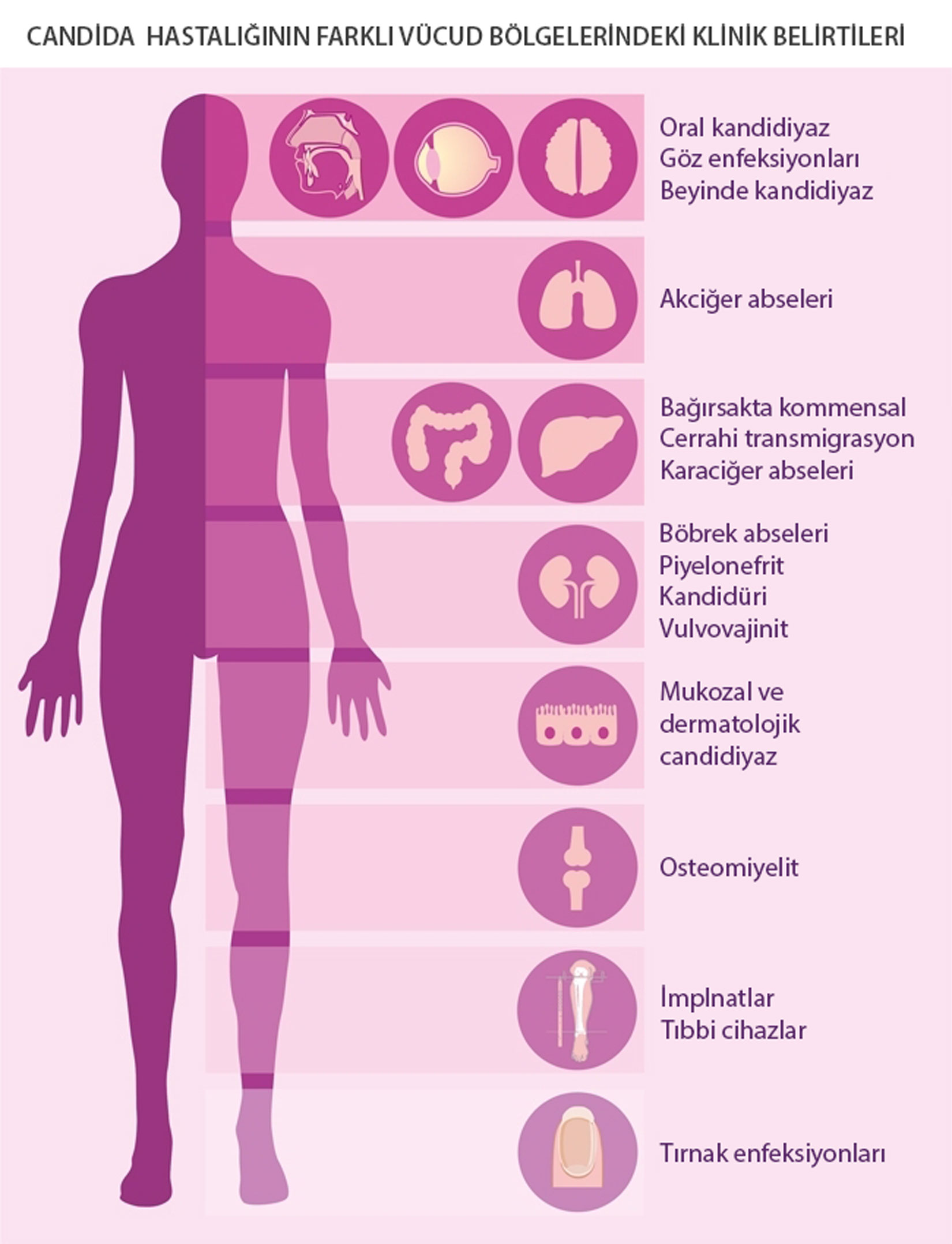
The symptoms of Candida infection vary according to which part of the body is affected by fungal overgrowth. In general, Candida infections may cause pain, itching, redness, burning, and discharge . The most common symptoms according to the affected area are summarized below:
In the mouth, Candida can cause oral thrush , white patches or lesions shown in the image above. It may appear as a cheesy white coating on the tongue, particularly in babies, older adults who wear dentures, or after antibiotic use.
| Affected Area | Symptoms of Candida Infection |
|---|---|
| Mouth and Throat (Oral candidiasis, thrush) | On the tongue, palate, and inside the cheeks, white, cottage cheese-like plaques; a cottony coating in the mouth; reduced sense of taste; difficulty swallowing and a sore throat; cracks at the corners of the mouth. |
| Vagina (Vaginal yeast infection) | Intense vaginal itching and burning; white, clumpy, cottage cheese-like vaginal discharge; pain during urination or sexual intercourse; redness and swelling of the vagina and vulva. |
| Skin (Cutaneous candidiasis) | Redness, itching, and a rash; a whitish coating or crusting, particularly in moist skin folds such as the armpits, groin, and under the breasts; skin cracks and irritation. |
| Intestines (Small/Large Intestine) | Chronic gas, bloating, and abdominal cramps; irregular bowel movements, including diarrhea or constipation; a frequent feeling of bloating and indigestion ; in some people, fatigue and weakness. |
| Other Organs (Systemic) | In serious cases, Candida can enter the bloodstream and spread to internal organs. This can cause high fever, chills, widespread weakness, and even organ failure. Note: systemic candidiasis occurs more often in settings such as HIV/AIDS, chemotherapy . |
Symptoms generally vary with the severity of the infection. For example, a mild vaginal yeast infection may cause only slight itching, whereas extensive oral thrush may cause lesions severe enough to make eating difficult. Anyone experiencing these symptoms persistently should consult a doctor. Early treatment prevents the fungus from spreading in the body and causing more serious problems.
What Causes Candida Infection? (Risk Factors)
In a healthy body, beneficial bacteria and the immune system keep Candida under control. Candida infections generally develop when the body's balance is disrupted. The main risk factors that may disrupt this balance and lead to Candida overgrowth are:
- Antibiotic use: Broad-spectrum antibiotics also kill beneficial bacteria, disrupting the balance of normal flora. This creates an opportunity for Candida to multiply.
- Weakened immune system: In people with weakened immunity, such as people with HIV/AIDS, cancer treatment recipients, or people who have undergone an organ transplant , the body struggles to control the fungus. Candida can therefore spread easily and cause infection.
- Uncontrolled diabetes: High blood sugar creates a favorable environment for Candida to grow. People whose diabetes is poorly controlled may experience frequent vaginal yeast infections and Candida skin infections.
- Hormonal changes: Pregnancy, birth control pill use or menopause can involve hormonal fluctuations that affect the balance of vaginal and other body flora and increase Candida risk.
- Unhealthy diet: Excessive consumption of sugary and processed foods may feed Candida and accelerate its growth. Vitamin and mineral deficiencies and an unbalanced diet can also weaken the body's defenses and increase the risk.
- Poor personal hygiene: Skin that stays damp for prolonged periods, such as when a wet swimsuit or sweaty clothes are left on, and tight, non-breathable clothing can provide a suitable environment for Candida growth. Not wearing cotton underwear, in particular, can prevent ventilation around the vaginal area and increase the risk of yeast infections.
- Stress and fatigue: Excessive stress, lack of sleep, and chronic fatigue may weaken immunity. Reduced immunity makes Candida infections more likely to develop.
- Cortisone and other medications: Steroid (cortisone) medications or immunosuppressive treatments, which suppress the immune system, increase susceptibility to Candida infections. Inhaled corticosteroids, such as asthma inhalers, that cause dry mouth can also lead to oral fungal infections.
The risk rises further when one or more of these factors occur together. For example, a person with diabetes who is also taking antibiotics has a particularly high likelihood of developing a Candida infection. In people with these risk factors, more frequent and recurrent Candida infections may occur.
Diagnosing Candida Infection
Candida infection is generally diagnosed through a clinical examination and laboratory tests. The doctor first assesses the patient's complaints and symptoms. Different diagnostic approaches may be used depending on the infected area:
- Physical examination: The doctor visually examines the affected area, such as the mouth, skin, or genital region. Typical lesions, such as oral thrush, can generally be recognized by their appearance.
- Laboratory tests: A sample may be taken from the infected area to confirm the diagnosis. For example, a swab from a white lesion in the mouth can be examined under a microscope to identify fungal cells. If necessary, a laboratory culture identifies the Candida species . Examination of vaginal discharge or a urine test can also show whether fungus is present in the relevant area.
- Blood tests: If a serious, widespread infection is suspected, a blood sample may be taken to check whether the fungus has entered the bloodstream. Particularly for persistent fungal infections that do not respond to other treatments, testing for Candida antigens in the blood or Candida PCR testing may be performed.
A simple examination and microscopy are generally sufficient to diagnose superficial Candida infections. For example, a gynecologist may diagnose a vaginal yeast infection immediately by examining a vaginal swab. An accurate diagnosis is importantbecause other problems causing similar symptoms, such as bacterial infections, need to be ruled out.
How Is Candida Infection Treated?
Treatment aims to stop fungal cells from multiplying and eliminate the existing infection. The approach depends on the location and severity of the infection and the patient's overall condition. Candida infections can generally be treated successfully with antifungal medications. Lifestyle measures that support medication treatment are also an important part of care.
The table below summarizes the approaches used to treat Candida and their aims:
| Treatment | Description |
|---|---|
| Antifungal Medications | To kill fungi or stop their growth, antifungal medications are used. Depending on the infection site, antifungal creams, suppositories (ovules), or tablets may be prescribed. For example, vaginal yeast infections are treated with intravaginal antifungal suppositories and creams; oral thrush with antifungal mouth rinses or drops; skin infections with creams; and widespread systemic infections with oral tablets or intravenous antifungal medications. |
| Probiotic Supplements | Probiotics help keep Candida under control by increasing the number of beneficial bacteria in the body. Eating probiotic-rich foods such as yogurt and kefir or taking probiotic supplements available from pharmacies can help balance intestinal flora in particular and prevent renewed fungal overgrowth. |
| Diet (Candida Diet) | Restricting sugar and processed carbohydratesis essentially a way to "starve" Candida. Candida feeds mainly on sugary foods, so foods such as sugar, white flour, and pastries should be avoided during and after treatment. Instead, a diet emphasizing vegetables, protein, and whole grains is recommended. Drinking enough water and limiting alcohol are also helpful. |
| Hygiene and Lifestyle | Keeping the infected area clean, cool, and dry speeds recovery. For example, wearing comfortable cotton underwear and keeping the area dry are important for vaginal infections. Washing and drying the affected area frequently helps prevent fungal spread in skin infections. In addition, stress management, regular sleep, and a balanced diet that supports immunity improve treatment success. |
How quickly does treatment work? With appropriate treatment, most superficial Candida infections provide relief within a few days . For example, symptoms of vaginal yeast infections generally resolve with a 3-7 day course of cream or suppositories. Nevertheless, continue using medication for the full period recommended by your doctor to ensure that the fungus is completely cleared. Stopping medication early, even if symptoms improve, may leave the fungus incompletely eliminated and cause the infection to return or the fungus to develop medication resistance.
For severe or recurrent infections, your doctor may recommend a longer treatment plan or investigate whether another underlying condition is present. Remaining under medical supervision and following recommendationsare essential for fully recovering from a Candida infection.
How Can Candida Infection Be Prevented?
Preventing Candida infections involves avoiding factors that trigger fungal overgrowth and maintaining the body's natural balance. The main preventive measures include:
- Avoid unnecessary antibiotics: Antibiotics should only be used on medical advice. Each unnecessary course can disrupt the body's natural balance and increase fungal infection risk. If you need antibiotics, you can ask your doctor about taking a probiotic supplement afterward.
- Reduce sugar intake: Excess sugar and refined carbohydrates encourage Candida growth. Limit sugary foods and increase vegetables, protein, and whole grains to reduce the fungus's food supply.
- Maintain oral and dental hygiene: In particular, after taking antibiotics or using a corticosteroid inhaler , brush your teeth and rinse your mouth with water to help prevent oral fungal infections. If you wear dentures, keep them clean.
- Genital hygiene and care: Keep the genital area clean and dry to prevent vaginal yeast infections. Choose cotton underwear and avoid tight, synthetic clothing. Do not use products such as perfumed soaps or deodorants that may irritate the genital area.
- Do not share personal items: Towels and underwear are personal items that should not be shared. Because Candida can be transmitted indirectly, each person should have their own towel and nail clippers.
- Support your immune system: Keep your immune system strong with a balanced diet, regular sleep, and stress avoidance. This will help your body resist opportunistic infections, including Candida.
- Keep blood sugar controlled: If you have diabetes, manage your blood sugar carefully. Remember that fungal infections become more frequent when blood sugar remains high.
- Avoid remaining damp: Do not stay in a wet swimsuit for prolonged periods, and dry your body thoroughly after showering, particularly in skin folds. Moist environments are ideal for fungal growth.
- Eat probiotic foods: Fermented foods such as yogurt, kefir, and pickles benefit intestinal flora. Healthy flora prevents Candida overgrowth.
These measures help prevent both a first Candida infection and recurrence . Women with frequent recurrent vaginal yeast infections, in particular, may gain considerable protection by making the lifestyle changes described above. Remember, maintaining your body's balance is the key to preventing Candida infection.
Frequently Asked Questions About Candida
Can Candida be transmitted?
Candida is generally an opportunistic microorganism already present in our bodies, but transmission is also possible . In particular, someone with a vaginal yeast infection may pass it to a partner during sexual intercourse. Indirect transmission through shared items such as towels or bed linen is also possible. However, Candida generally does not cause problems in people with strong immunity. In summary, Candida is transmissible to some extent, but whether an infection develops depends more on the person's defenses.
What happens to a Candida infection if it is left untreated?
Without treatment, Candida infection generally does not disappear on its own; instead, it may become chronic and spread. For example, an untreated vaginal yeast infection may persist, reduce quality of life, and flare up repeatedly. In people with severely weakened immunity, untreated Candida infection can enter the bloodstream and cause serious systemic infections . Candida symptoms should therefore be taken seriously and treated appropriately.
For Candida infections, which doctor should I see?
Consult the relevant specialist according to the area affected by Candida. For fungal infections of the skin or nails, you can see a dermatologist (skin specialist) for assessment. For vaginal Candida infections, a gynecologist (obstetrics and gynecology specialist) is the appropriate specialist. Fungal infections of the mouth or throat are conditions for which an ear, nose, and throat (ENT) specialist generally provides treatment. When the intestines or other internal organs are affected, a gastroenterology specialist may need to be consulted. An infectious diseases specialist can also support treatment when necessary.
For Candida, what helps?
The most effective approach to clearing a Candida infection is to take the antifungal medications prescribed by your doctor regularly. In addition, a sugar-free diet helps prevent fungal growth because Candida thrives on sugar. Probiotic supplements may also help prevent uncontrolled fungal growth by increasing beneficial bacteria in the body. Drinking plenty of water and keeping the affected area clean and dry also speed recovery. Most importantly, if you have symptoms, consult a doctor for appropriate treatment rather than self-medicating.
Can Candida infections recur?
Yes, Candida infections can recur. Recurrence is common, particularly if underlying risk factors are not addressed or treatment is stopped prematurely. For example, people who take antibiotics frequently or have uncontrolled blood sugar may experience repeated Candida infections. Even after an infection resolves, it is therefore important to continue preventive measures and maintain the body's balance. Take medication for the full period recommended by your doctor and make lifestyle changes a lasting part of your routine to prevent recurrence. If infections recur very frequently, your doctor will investigate whether another underlying problem is present.
Was this article helpful?
Your feedback helps us improve our content.




Reader comments
Share your comment
Your name and comment are published only after administrator approval. Your email address is never shown to visitors.
Be the first to comment.