
Wolves, Poisons, and Charlatans: Merchants of Hope Feeding on Cancer in the 17th Century

In this article
Day 57 (The History of Cancer in 365 Days Series)
The invasion of ignorance where medicine retreats: heavy metals, raw meat rituals, and lives exploited in the shadow of the “Crab.”
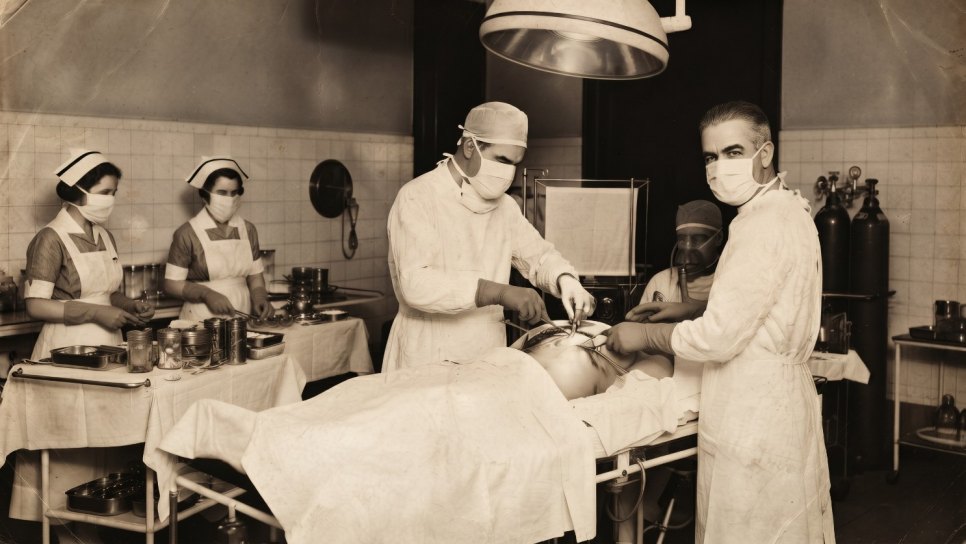
The university-trained surgeons of the Renaissance and the 17th century remained firmly committed to the principle inherited from Hippocrates: “Noli me tangere” (Do Not Touch Me) as their guiding rule. To them, taking a knife to an advanced, open, bleeding cancer was equivalent to killing the patient on the spot. The enormous void left when physicians stepped back in helplessness was filled by the streets’ shadowy figures: charlatans, itinerant vendors, and “empirics.”
1. Fighting Poison with Poison: Lethal Prescriptions
The arsenic treatment Pierre Alliot applied to the queen was, in fact, the greatest weapon of the merchants of hope who traveled from village to village along Europe’s muddy streets. These charlatans claimed to possess secret formulas that would “root out” cancer. The logic was simple: a beast as savage as cancer could only be destroyed by a poison equally savage.
Lead plates coated with mercury were placed on tumors, or mercury-based caustic ointments were applied. The result was falling teeth and rotting gums.
They were poured over open wounds to chemically burn and rot the flesh (mortification). The treatment killed faster than the cancer itself.
The desperation of the era was so great that patients and false physicians justified this torment with the following chilling philosophy: “They may die with it, but without it they will certainly die.”
2. Raw Meat and the “Wolf” Within
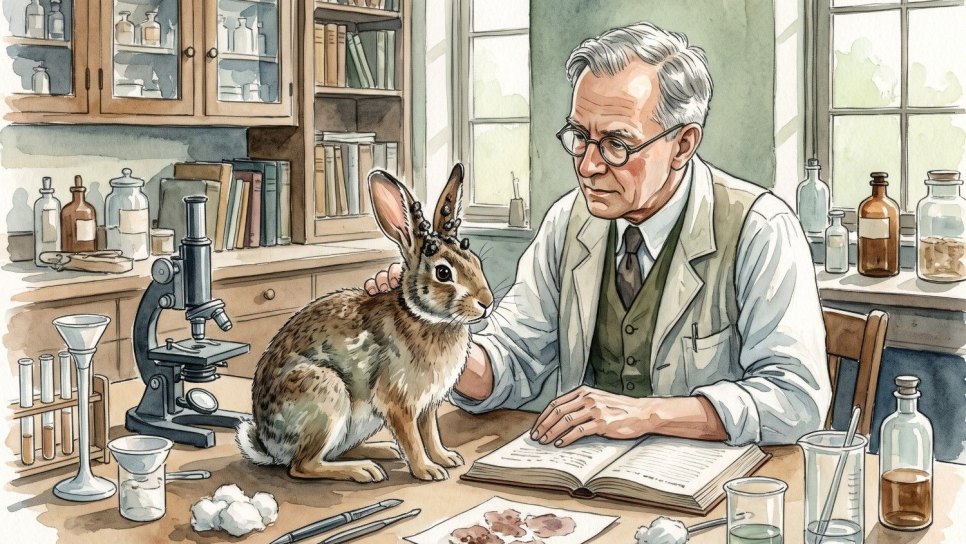
At the time, cancer was viewed not as a cellular disorder, but as an independent, living, ravenous creature (zoomorphism). Tumors were commonly called the “Crab” or the “Wolf” (Lupus) as names for the disease. Charlatans ruthlessly exploited popular belief in these terrifying animal metaphors.
History’s Greatest Fraud: Feeding the Wolf
In his work of 1714, the renowned English physician Daniel Turner recorded an extraordinary method used by a charlatan: beside a patient with an open cancerous wound, the charlatan held a piece of raw meat in the air and claimed to onlookers that “the hungry wolf inside the wound would poke its head out and open its mouth to snatch the meat.” This theatrical display forced patients to hand over all their possessions to these merchants in the hope of escaping an animal eating them alive.
The Road from Darkness to the Microscope
The 17th century was one of the cruelest periods in the history of cancer. Patients were ostracized on the false accusation that they carried a contagious disease, while also being poisoned with charlatans’ arsenic pastes. All this cruelty had a single cause: **We could not see.** To the naked eye, cancer was nothing more than a bleeding piece of flesh.
Yet this dark age was drawing to a close. Those magical lenses that would allow us to transcend the limits of our eyes were entering the medical stage.
Tomorrow (Day 58), we will witness how Marcello Malpighi illuminated “the path to cells” by looking into tissues through the lens of a microscope!
Biological Honesty Is the Essence of Healing
Charlatanism begins not where knowledge ends, but where knowledge is “withheld” or “distorted.” Biologically, there is no difference between the poisonous arsenic pastes of the 17th century and today’s false treatments presented as “miraculous”: both aim to turn the patient’s desperation into money.
The philosophy of biological restoration sees cancer not as a “wolf” fed from outside, but as a cell, part of the body’s own orchestra, losing its voice. Precise guidance means enlightening patients with real data rather than fear. Healing lies in the transparency and honesty of science. False miracles only deepen suffering; the real solution lies in understanding the cell’s language.
Historical References and Further Reading
- 1. Turner D. De Morbis Cutaneis: A Treatise of Diseases Incident to the Skin. London, 1714. (Historical records of charlatanism).
- 2. Mukherjee S. The Emperor of All Maladies: A Biography of Cancer. Scribner, 2010.
- 3. Karamanou M, et al. "Arsenic powder in the treatment of cancer: Pierre Alliot." Journal of BUON, 2019.
- 4. Demaitre L. Leprosy and Stigma in the Middle Ages and Early Modern Period. (Zoomorphism and cancer metaphors).
Was this article helpful?
Your feedback helps us improve our content.


Reader comments
Share your comment
Your name and comment are published only after administrator approval. Your email address is never shown to visitors.
Be the first to comment.