
Death Rising from the Chimney: Percivall Pott, Soot-Covered Children, and the Environmental Face of Cancer

In this article
Day 61 (The History of Cancer in 365 Days Series)
The discovery of history's first carcinogen: a tragedy stretching from the dark chimneys of 18th-century London to one of oncology's greatest moments of enlightenment.
1. The dark world of the “climbing boys”
In London in the 18th century, the skies were filled with coal smoke. Cleaning the narrow chimneys was not a job adults could do. Instead, little boys aged 4 to 8, taken from orphanages, were employed as “climbing boys.”
These children were made to work naked to avoid becoming stuck in the chimneys, and every fold of their bodies was coated in coal soot, or tar. Washing was a luxury, and they often spent years sleeping on those sooty sacks.
2. From soot wart to a deadly crab
A sinister fate awaited these children in adulthood if they survived without suffocating in the chimneys. The poisonous soot that accumulated on their unwashed skin over the years, especially in the folds of the scrotum, initially caused persistent skin inflammation.
When former chimney sweeps reached their 20s, a hard sore would appear in the irritated area. People called it a “soot wart.”
The sore grew rapidly, developing into squamous cell skin cancer that devoured the testicles and groin and killed the patient in terrible pain.
3. Percivall Pott's historic evidence (1775)
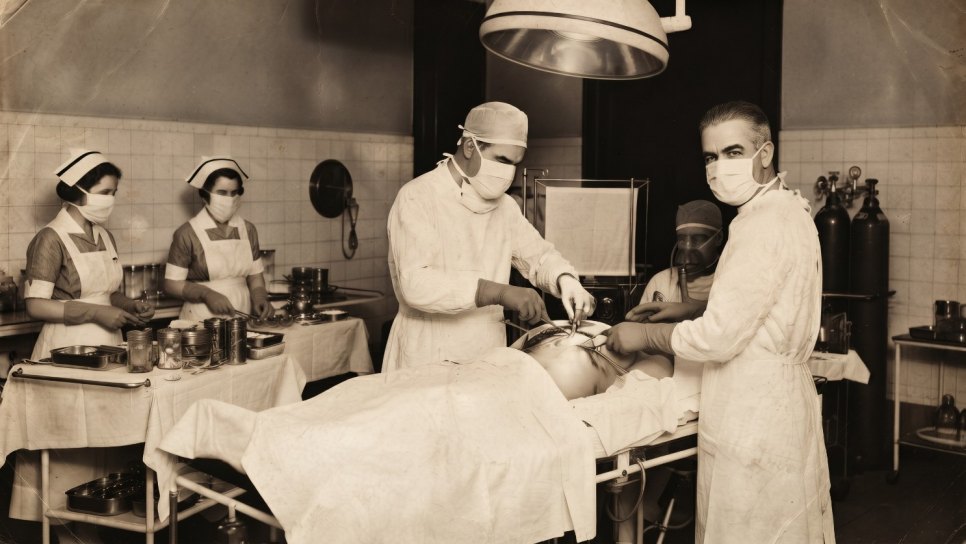
The respected surgeon who saw these young patients at St. Bartholomew's Hospital in London, Percivall Pott, recognized a striking pattern: All of these patients had worked as chimney sweeps during childhood.
Looking Outside the Body for the Cause of Cancer
In the paper he published in 1775, Pott became the first in history to seek the cause of cancer not in “black bile” or the “curse of the gods,” but directly in a single chemical substance: “Soot.” This was the first moment in human history when a chemical from the outside world was scientifically shown to cause cancer.
4. The birth of environmental oncology and preventability
Pott's discovery gave rise to the idea that cancer could be preventable . If those children had washed every day, if the soot had not remained on their skin, they would not have developed cancer. This study helped bring about Europe's first “child labor” laws and occupational health regulations.
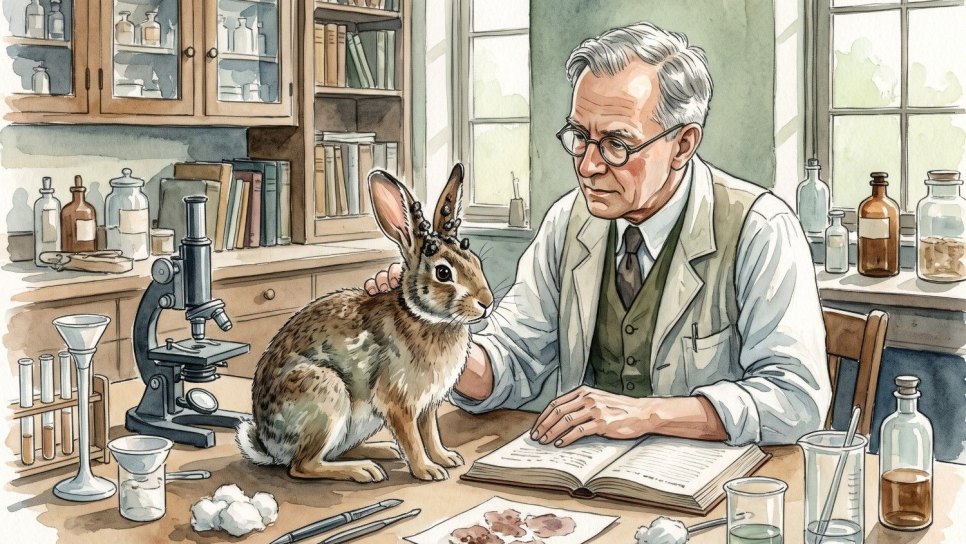
Future researchers, especially in the 1920s, would establish in the laboratory that the actual cancer-causing molecules in this soot were Polycyclic Aromatic Hydrocarbons (PAH) , confirming that Pott had been right.
But if these external “poisons” triggered cancer, could cancer itself also be a poison?
Tomorrow (Day 62), we travel to France to witness Bernard Peyrilhe's “mad” experiment, in which he injected pus from a human breast cancer into a dog!
Cleansing is half of restoration
The soot-covered tragedy Percivall Pott witnessed in chimneys 250 years ago teaches us oncology's most vital lesson today: “Preventing cancer is a far sounder path than treating it.” In our philosophy of biological restoration, the body has a remarkable repair system, but continually exposing it to a carcinogenic bombardment, such as tobacco smoke, industrial pollution, and asbestos, irreversibly disrupts this balance.
Sound guidance is not merely about prescribing the right drug; it means identifying the “sooty chimney” poisoning the patient in time and removing them from that environment. Healing depends as much on keeping the world outside the cell clean as on correcting the disorder inside it. For Pott's children, the solution was simple “soap and water”; in today's world, it is building a life free of carcinogens in the light of science.
Scientific References and Further Reading
- 1. Pott P. Chirurgical Observations Relative to the Cataract... and the Cancer of the Scrotum. London: Hawes, Clarke, and Collins, 1775. (Original Work).
- 2. Waldron HA. “A brief history of scrotal cancer.” British Journal of Industrial Medicine, 1983;40(4):390-401.
- 3. Brown JR, Thornton JL. “Percivall Pott (1714-1788) and chimney sweepers' cancer.” Brit J Industr Med, 1957.
- 4. Mukherjee S. The Emperor of All Maladies: A Biography of Cancer. Scribner, 2010.
Was this article helpful?
Your feedback helps us improve our content.


Reader comments
Share your comment
Your name and comment are published only after administrator approval. Your email address is never shown to visitors.
Be the first to comment.