
How a Cancer Diagnosis Affects a Couple’s Relationship, and Suggestions

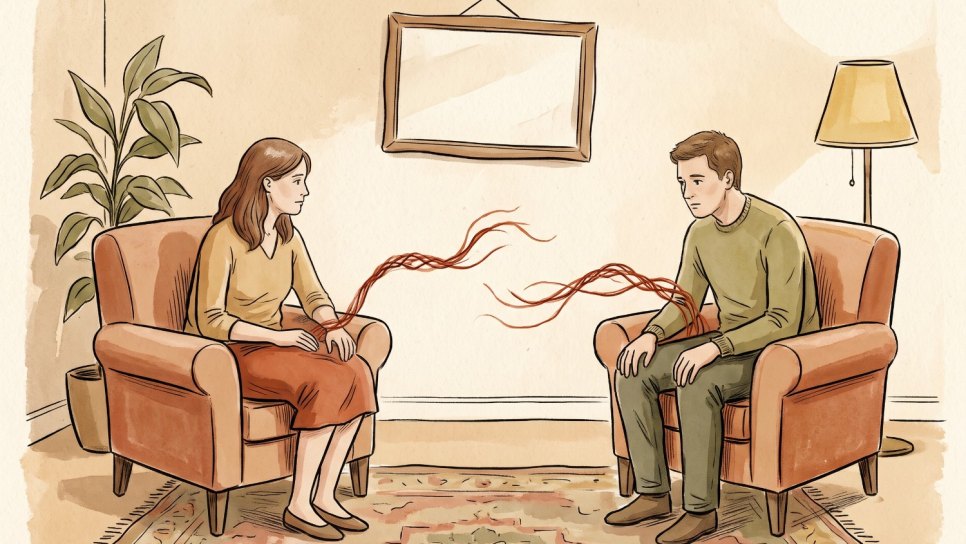
A cancer diagnosis affects a couple’s relationship in many ways; it may change their communication, intimacy, shared experiences and sex life. These changes may result from the physical effects of different cancer treatments or feelings such as loss, insecurity or lack of control. We wanted to provide information that may help strengthen communication with your partner and take new steps.
Build an Emotional Connection
Love and compassion are among the most helpful feelings for couples during this period. Do not hesitate to show that you love each other. Hug your partner and let them feel that you are there for them.
If you or your partner face a cancer diagnosis and treatment, here are some suggestions from experts and couples who have experienced this before:
- Communicate openly. Try to be open and honest with your loved ones. Do not hesitate to express yourself.
- You should understand your personal needs and concerns. To do this, both partners are encouraged to ask and answer the following questions:
- What is going well in our intimate relationship?
- What has changed in your relationship?
- Are there unmet needs?
- What do you expect from your partner?
- What are you willing to do to help your partner and improve your relationship?
These are suggested topics for partners first to reflect on individually and then to discuss together with compassion.
Redefining Intimacy
Physical changes or factors reducing quality of life, such as pain, may require you to redefine “intimacy.” It does not have to involve sexual intercourse. It can be as simple as talking, holding hands, hugging, massage or kissing. What matters during cancer is that partners can move forward while feeling the presence of love.
Make Dates
Make simple plans to spend quality time together and maintain intimacy, and stick to the agreed times. You do not have to go out; you can make simple plans at home. These will be valuable opportunities to strengthen the bonds between partners.
Do Not Hesitate to Ask for Help
Hormone therapy, chemotherapy, surgery and radiotherapy, used to treat different cancer types in both women and men, may cause side effects that reduce quality of life and prevent closeness between partners.
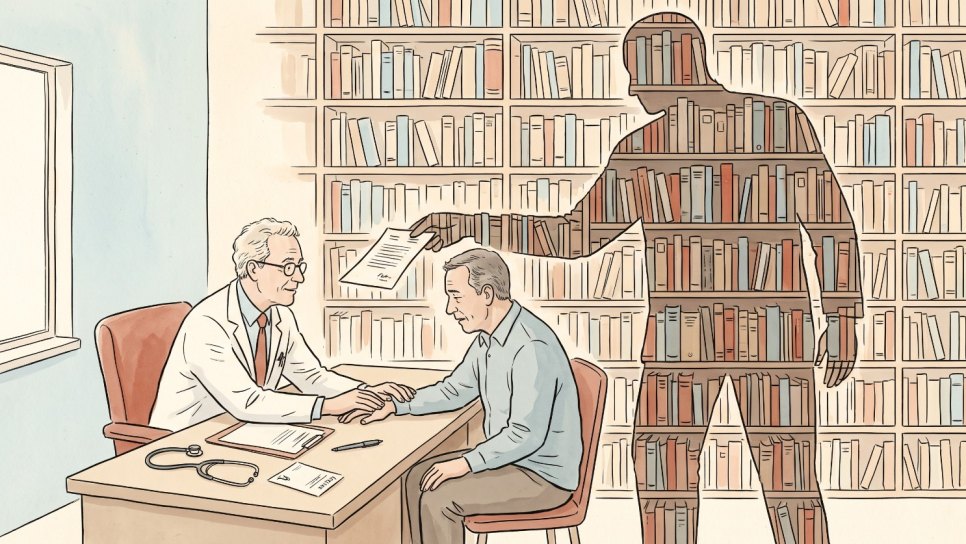
Coping with every problem alone is very difficult and exhausting. One partner may take on greater responsibility and burden, but help or counseling should be sought for emotional or physical strain. These services include cognitive behavioral therapy, couples counseling, and medications and techniques to reduce the effects of radiotherapy, chemotherapy, surgery and other treatments.
Oncology Rehabilitation
For women with cancer, gels and other products may help with dryness. For men, medications for erectile dysfunction may help. Acupuncture and massage therapies (reflexology) may also be beneficial. In every case, you should consult your specialist about treatments tailored to you.
Intimacy during this process may not be the same as before. You can try to develop your own strategies during cancer treatment to maintain and strengthen your emotional and physical closeness.
Related Topic:
Was this article helpful?
Your feedback helps us improve our content.
Reader comments
Share your comment
Your name and comment are published only after administrator approval. Your email address is never shown to visitors.
Be the first to comment.