
The Blessed Wound: Saint Agatha’s Breasts and the Meaning of Suffering

In this article
Day 23 (A History of Cancer in 365 Days Series)
Yesterday we discussed Leonides of Alexandria, a brave surgeon who removed the breast (mastectomy) to save lives. Today we turn to Sicily in the same century (the 3rd century AD).
The knife and hot irons that Leonides used for healing gleamed as ‘instruments of torture’ over a young woman in the city of Catania. Her name was Agatha. Her story would become one of medical history’s most poignant examples of ‘spiritual resistance’.
1. Light in the Dungeon: A Woman’s Resistance
The year was AD 251. Roman Emperor Decius had launched a ruthless persecution of Christians. Quintianus, the governor of Catania, had set his sights on Agatha, the city’s most noble and beautiful woman. He wanted both to make her renounce her faith and to possess her body.
But Agatha’s will was sharper than Rome’s swords. Rejected, the governor, his pride wounded, angrily issued one of history’s most brutal orders: ‘Tear off her breasts with pincers!’
These words were more than a cry. At the time, the breast was a sacred symbol of motherhood, nourishment and ‘womanhood’. By mutilating her, Quintianus sought to destroy not only her body but also her identity and dignity. Yet as her body was torn apart, Agatha managed to keep her spirit whole.
2. The Transformation of Pain: From Torture to Healing
According to legend, as Agatha lay in the dungeon on the verge of dying from blood loss, she had a vision. Saint Peter entered her cell and miraculously healed those terrible wounds. Although Agatha was later martyred on hot coals, history would always remember her with ‘healed breasts’.
Why, then, does this religious story matter to the history of oncology?
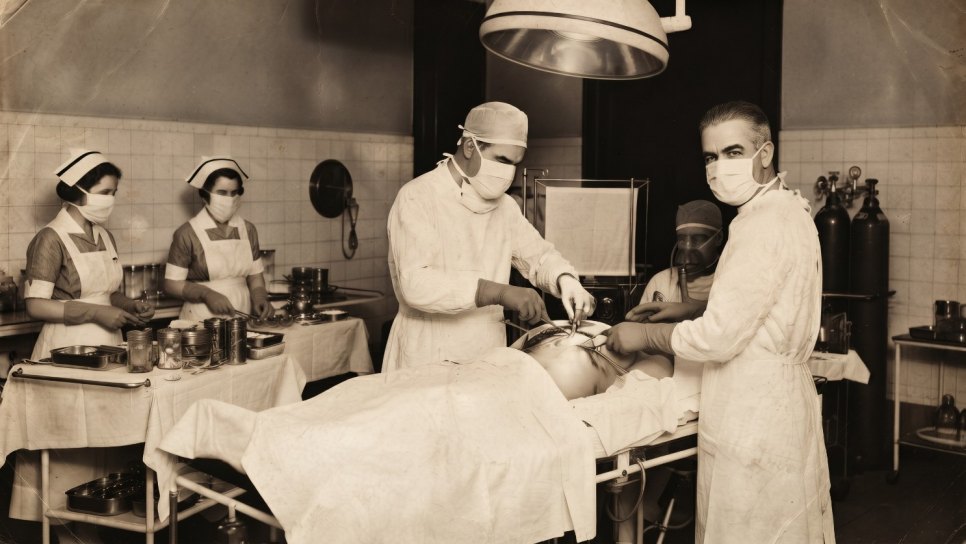
For centuries, in eras without anesthesia or painkillers, women undergoing mastectomy for cancer experienced the same pain that Agatha endured in the dungeon. Her story became a ‘mirror’ of that painful experience.
Women with cancer drew strength from her, saying, ‘If she could endure it, so can I.’ This is the origin of the term ‘Agatha’s Soldiers’, used today for women fighting breast cancer.
In art, Agatha is depicted carrying her severed breasts on a tray. This is an image of triumph rather than horror: ‘Even if parts of my body are missing, I am still whole and standing.’
3. The Three Faces of Rome: Tissue, Temperament and Spirit
The three figures we have examined over the past three days represent three different realities a woman with cancer might have faced in the ancient world. Here is the Oncology Summary of the 3rd Century:
Sources Consulted
- "The Miracles of St. Agatha." Italian Sons and Daughters of America.
- "Agatha of Sicily." Wikipedia.
- "Agueda of Catania: The Patron Saint of Patients With Breast Diseases." PubMed.
- "Breast Cancer in Antiquity." SciELO.
Was this article helpful?
Your feedback helps us improve our content.
Reader comments
Share your comment
Your name and comment are published only after administrator approval. Your email address is never shown to visitors.
Be the first to comment.


Consolation at the Limits of Medicine
As physicians, we can remove tumors, destroy cells with chemotherapy and burn disease with radiotherapy. But to heal the wounds opened in a patient’s soul, we sometimes need more than science: we need ‘meaning’.
For thousands of years, Saint Agatha’s story has whispered this to women: Disease may diminish your body, but never your spirit. With today’s breast cancer treatments, we try to put behind us the physical trauma Agatha experienced through organ-preserving surgery and reconstruction techniques. Yet the ‘invincible spirit’ she represents continues to live within every cancer patient.