
The Medical Legacy of Byzantium: Oribasius, Guardian of Lost Texts

In this article
Day 24 (A History of Cancer in 365 Days Series)
Medical history is often thought to have ‘stagnated’ between Galen (2nd century AD) and the Middle Ages. Yet in the 4th century AD, during the painful years of transformation as the Roman Empire embraced Christianity, medicine’s greatest ‘guardian’ emerged: Oribasius of Pergamon (AD 320–403).
He was more than a physician: he was the closest friend and personal doctor of Rome’s last pagan emperor, ‘Julian the Apostate’. At Julian’s command, he gathered all the medical knowledge of the ancient world (particularly the works of Galen and the lost surgeon Leonides) into a vast encyclopedia of 70 books, Collectiones Medicae.
‘Tell the king, the splendid hall has fallen to the ground. Phoebus no longer has a home, nor a prophetic laurel, nor a speaking spring. The speaking water has dried up.’ — The final prophecy brought by Oribasius from the Oracle of Delphi (AD 362)
This prophecy heralded the end of the ancient world. Oribasius’ task was to gather this ‘drying water’ — disappearing medical knowledge — into pools and carry it into the future. Without him, we would know nothing today of Leonides’ radical breast cancer surgery.
From Nature to Pathology: The Fig and Walnut Metaphors
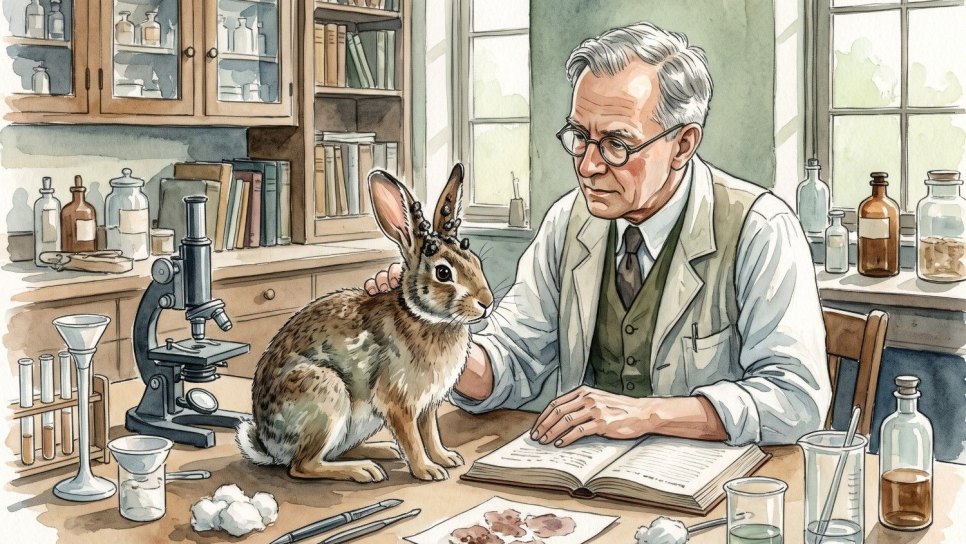
In a world without diagnostic tools (radiology, biopsy), Oribasius and his contemporaries used the best tool at hand to describe tumors: Observation of Nature. They developed botanical metaphors to describe the hardness and structure of cancerous tissues.
Treatment: Diet Before the Knife
Because Oribasius viewed cancer as a systemic ‘humoral imbalance’, he recommended cleansing the body (purgation) before resorting to surgery. The first step in treatment was to expel excess ‘Melancholy’ (Black Bile) from the body.
- Forbidden Foods: Lentils, cabbage, aged cheese and salted meats. (These were believed to produce black bile.)
- Recommended Foods: Figs (cleansing through their laxative effect) and milk.
- Medicines: Hellebore. A very powerful emetic and purgative. The aim was to expel the ‘bad humors’ by shaking the patient so severely that they approached death.
Sources Consulted
- Grant M. "Oribasius and Medical Science." Roman History.
- Karamanou M, et al. "Oncology in the Byzantine Era." JBUON.
- "Oribasius." Wikipedia.
- Hajdu SI. "A Note from History: Landmarks in History of Cancer." Cancer.
Was this article helpful?
Your feedback helps us improve our content.
Reader comments
Share your comment
Your name and comment are published only after administrator approval. Your email address is never shown to visitors.
Be the first to comment.


Being a Guardian of Knowledge
Oribasius may not have developed as many new theories as Galen or performed operations as boldly as Leonides. Yet what he did may have been even more important: Preserving Knowledge.
We owe much of what we know today about ancient oncology history to Oribasius’ meticulous compilations. He became a bridge ensuring the ‘continuity of science’. From the ruins of the ancient world, he retrieved the first notes on cancer surgery and pathology and enabled them to reach Islamic medicine through Byzantium, and then modern Europe.
Science still advances as much through ‘correctly archiving and synthesizing data’ as through ‘producing data’. Oribasius was history’s first great ‘Data Miner’ and medical editor.