
6 Pieces of Evidence That Turmeric Regimens Have No Place in Cancer Treatment

Turmeric is a perennial herbaceous plant in the ginger family, with yellow flowers and large leaves, also known as Indian saffron . Making up 2% of the turmeric plant, curcumin is a yellow-orange biologically active substance obtained from its roots, whose medicinal properties are being investigated. Curcumin is also the main ingredient in curry spice, commonly used in cooking, particularly in Asian countries. It is also used as a food coloring under code E100. The English equivalent of the Turkish word zerdeçal is Turmeric.
Turmeric is marketed as a miraculous herbal treatment (phytotherapy product) capable of treating everything from cancer to sports injuries. However, far from providing miraculous benefits, medicinal turmeric use carries numerous health risks.

1. Human clinical trials have shown that turmeric does not treat cancer
The first scientific study of turmeric for treating diseases was published in 1937. Research accelerated after a 1949 study obtained promising antibacterial results. Many laboratory studies have demonstrated anti-inflammatory and antitumor effects of curcumin, one of turmeric’s biologically active substances. However, these effects have not been confirmed in human clinical trials . For example, curcumin was given with the chemotherapy drug gemcitabine to 17 patients with advanced pancreatic cancer. No positive result was obtained, and 5 patients experienced worsening symptoms.
Naturally, scientific healthcare experiments are first conducted in the laboratory and then in animals, with promising results taken into human clinical trials. An agent working in the laboratory but not in people is not unusual: of every 100 thousand molecules tested, almost only 1 becomes a drug. Although scientists have known this for decades, it is surprising to see molecules that failed in clinical trials repeatedly tested in laboratories and presented as though a miracle had been found.
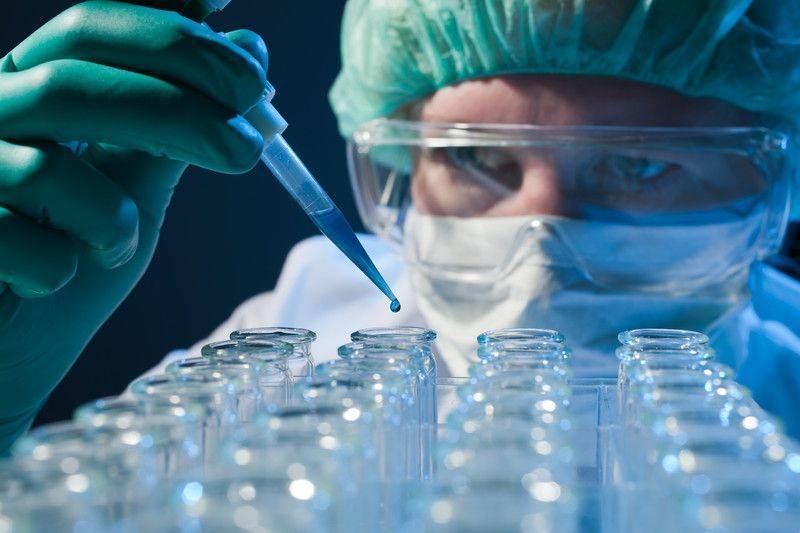
2. Why does turmeric seem to work in the laboratory but not in humans?
The most important reason is the tumor microenvironment! In the laboratory, cancer cells are largely defenseless because they are merely a mass of similar cells. In animals, the tumor microenvironment differs from that in humans and is much less complex.
Examining tumor tissue reveals clusters of cancer cells. This results from uncontrolled proliferation of a cancer cell whose DNA has accumulated damage. However, cancer is more than this. It manipulates surrounding normal cells and some immune cells that come to attack it, changing them to help it and creating the tumor microenvironment .

3. Antioxidant effects carry more risk of harm than benefit
One of turmeric’s most promoted properties is its antioxidant effect. In the simplest terms, antioxidants are molecules that transform or remove harmful/waste substances (free oxygen radicals) released by chemical processes in cells. The body has its own antioxidant systems, and many foods contain antioxidants. However, when taken as supplements, meaning in excessive amounts, rather than killing cancer cells, they may stimulate cancer growth, according to increasing scientific evidence . Cancer cells are more active than normal cells and release more free radicals during cellular processes, which they must remove.
4. Turmeric is not absorbed from the intestines when taken orally, and may break down red blood cells when given intravenously
Oral turmeric powder, tablets or capsules at doses up to 4000 milligrams are almost entirely unabsorbed from the intestines (when taken orally, there is no bioavailability). At doses of 8 – 16 grams, evidence suggests very little intestinal absorption. Taking oral turmeric for health benefits therefore appears pointless. For this reason, its biologically active component curcumin is now given by intravenous infusion for medicinal purposes. However, there is evidence of serious side effects with intravenous curcumin too. For example, the photograph below shows rapid and marked changes in the shape of red blood cells after curcumin administration.

(A) Normal red blood cells; (B) after standard curcumin administration; (C) after a liposomal curcumin formulation designed to reduce side effects; (D) appearance 120 minutes after administration
5. Turmeric is very weak both at killing cancer cells and activating the immune system
Chemotherapies are highly toxic/lethal to cancer cells but also cause some harmful effects in normal cells. Thus, although effective against cancer cells, they can only be used at certain doses. Cancer cells also develop resistance over time to chemotherapies and many other cancer treatments.
Immunotherapies do not act directly on cancer cells; instead, they regulate/activate immune cells to attack cancer. Although effective drugs, they do not work in every patient or cancer type, and cancer cells can also develop resistance to them over time.
- The main factor making cancer treatment difficult: DRUG RESISTANCE
Turmeric is neither as powerful a cell-killer as chemotherapy nor as effective an immune activator as next-generation immunotherapies. It also carries many risks of side effects and drug interactions.

6. Therapeutic turmeric use is not harmless: beware the risk of death!
On 4 August 2017, the FDA issued a warning after 2 patients receiving intravenous curcumin developed hypersensitivity reactions , serious allergic reactions. One patient, a 30-year-old woman, died of cardiac arrest. The other, a 71-year-old man, responded to intravenous adrenaline, was rapidly transferred to intensive care and treated. Both received these treatments at wellness clinics outside hospitals.
In conclusion:
There is no evidence supporting the use of either turmeric or its well-known biologically active component curcumin to treat or prevent cancer. Curcumin, tested in numerous studies so far, also has no chance of becoming a cancer drug. However, serious, sudden-onset side effects, including death, are known, and actual side effects are probably more frequent than reported.
Sources
Curcumin (Turmeric) and Cancer.
Journal of B.U.O.N. 2016
2. Epelbaum R, Schaffer M, Vizel B ve ark.
Curcumin and gemcitabine in patients with advanced pancreatic cancer.
Nutr Cancer. 2010
3. Douglas Hanahan,,Lisa M. Coussens.
Accessories to the Crime: Functions of Cells Recruited to the Tumor Microenvironment.
Cancer Cell, 2012.
4. Piskounova E, Agathocleous M, Murphy MM ve ark.
Oxidative stress inhibits distant metastasis by human melanoma cells.
Nature, 2015.
5. Storka A, Vcelar B, Klickovic U, Gouya G, Weisshaar S, Aschauer S, Helson L, Wolzt M.
Effect of liposomal curcumin on red blood cells in vitro.
Anticancer Res, 2013
6. Compounded Curcumin Emulsion Product for Injection by ImprimisRx: FDA Investigation - Serious Adverse Events Associated with Use.
fda.gov – 08.04.2017
Was this article helpful?
Your feedback helps us improve our content.




Reader comments
Share your comment
Your name and comment are published only after administrator approval. Your email address is never shown to visitors.
Be the first to comment.