
7 Alternatives to Colonoscopy for Early Detection of Colon and Rectal Cancer

In this article
We recommend colonoscopy, a cancer screening test, to diagnose colon and rectal cancer early. However, patients may dislike it and ask about alternative screening. This article answers questions such as "what is colonoscopy”, “why might you prefer not to have colonoscopy”, “what other tests screen for colon cancer".
What Is Colonoscopy?
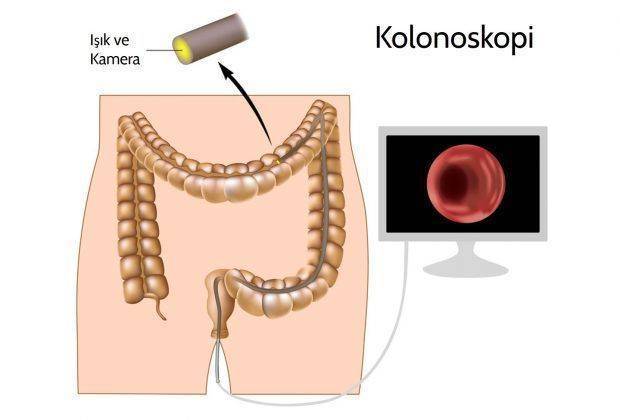
Colonoscopy finds large bowel abnormalities such as polyps and cancer. A thin camera-tipped tube called a colonoscope is advanced through the anus into the large intestine. Its interior is viewed live, allowing immediate intervention if abnormalities are found, such as removing a polyp or biopsying a suspected tumor.
Results of the most comprehensive study evaluating colonoscopy’s effectiveness and safety
Note: Colorectal (large bowel) cancer is the 3rd most common cancer in both men and women in our country and can be detected early through screening such as colonoscopy. Everyone over 50 is therefore advised to undergo a suitable colorectal screening test regularly (every 10 years for colonoscopy). Screening is performed in healthy people to diagnose any disease early. Those with a family history or other colorectal cancer risk factors may start younger.
Why is colonoscopy sometimes not preferred?
Although very useful for early colon cancer diagnosis, colonoscopy may not be preferred because:
- Preparation takes several days, requiring a special diet, avoiding food and drinking certain liquids to clean the bowel, and sometimes an enema.
- It requires sedation (light anesthesia).
- Gas (air or carbon dioxide) is introduced into the bowel to improve visualization; patients may feel uncomfortable gas pressure and abdominal pain while waking afterward.
- Other reasons include limited availability because specialists must perform it, or the cost in private hospitals.
- Related topic: How much does the doctor performing colonoscopy influence colorectal cancer prevention?
Other tests for early colon cancer detection
Several alternatives to colonoscopy exist, with differing effectiveness in detecting colon cancer.
Although colonoscopy is best, alternatives can help reduce colon cancer risk when someone does not want it or is unsuitable.
- Fecal immunochemical tests
Colorectal tumors often bleed; stool tests detect blood invisible to the eye. To avoid false positives, people should tell their doctor about hemorrhoids, anal fissures or menstruation.
The fecal immunochemical test (FIT) analyzes a stool sample and is the newest version of fecal occult blood testing. Unlike conventional occult blood tests, it is not affected by other medications and requires no dietary restrictions.
Samples can be collected at home. The test is inexpensive and must be repeated annually. - Double-contrast barium enema
This is an X-ray examination of the colon. It may effectively detect large polyps but miss smaller ones. Like colonoscopy, it requires bowel cleansing. Suspicious findings will probably require colonoscopy. - Fecal occult blood tests
These may be as effective as colonoscopy but must be repeated annually to ensure effectiveness. They can be combined with FIT for accurate colon cancer detection. - Cologuard
Cologuard is another stool test that can replace colonoscopy. It received FDA approval in 2014. Newer and more expensive than other stool tests, it detects DNA fragments and blood in stool. It should be performed every 3 years when used instead of colonoscopy. - Stool DNA
Stool DNA testing can be done at home. Detecting blood and certain DNA samples from colorectal cancer cells in stool makes identifying cancer possible.
If stool tests suggest cancer, colonoscopy is required for confirmation. - CT colonoscopy
This uses computed tomography (CT) to find colon polyps. Like colonoscopy, it requires prior bowel emptying. A polyp or cancer finding requires colonoscopy for further examination and biopsy. - Rectosigmoidoscopy
This resembles colonoscopy but examines only the sigmoid colon and rectum, the final large bowel sections. It requires less intensive preparation and can be performed with an enema alone. It is preferred when a problem is suspected in these areas or a quick examination is needed.
*
Other topics you may be interested in:
What is the rectum? Can rectal cancer be treated without surgery?
What is a polyp, and how should colorectal polyps be treated?
Was this article helpful?
Your feedback helps us improve our content.




Reader comments
Share your comment
Your name and comment are published only after administrator approval. Your email address is never shown to visitors.
Be the first to comment.