
Adding Sorafenib to TACE Prolongs Survival in Liver Cancer

In this article
Liver cancer is among the most common cancers worldwide and a leading cause of cancer-related deaths. Its most common form is known as hepatocellular carcinoma (HCC = HepatoCellular Carcinoma).
HCC can develop particularly as a result of chronic hepatitis B and C virus infections. HCC diagnosed at an advanced stage is often resistant to treatment, and targeted therapies and immunotherapies are more effective than chemotherapy in this disease. Alongside these systemic treatments, approaches such as TACE and TARE are available, delivered through the combined involvement of interventional radiology and nuclear medicine.
Transarterial chemoembolization (TACE) is a local treatment intended to slow the progression of liver cancer and is preferred when the cancer has not spread outside the liver. However, TACE alone may have limited effectiveness, particularly in recurrent and intermediate-stage HCC.
One systemic drug known to be effective in advanced HCC, sorafenib, targets vascular endothelial growth factor and platelet-derived growth factor receptors. Sorafenib's antiangiogenic properties can work synergistically with the local effects of TACE, cutting off the supply routes to cancerous tissue and controlling disease progression more effectively.
Intermediate-stage HCC refers to a stage in which the disease has progressed but remains amenable to local treatment. This stage is generally determined by the extent of liver cancer spread and the areas affected, typically based on criteria such as multiple tumors without substantial spread into the main liver vessels. Intermediate-stage HCC generally offers a window for intervention to slow disease progression and improve quality of life.
TACE + Sorafenib: A Chinese Study
According to a study published on June 20, 2024, in JAMA Oncology , researchers seeking new approaches for recurrent intermediate-stage hepatocellular carcinoma (HCC) observed that TACE alone offered "unsatisfactory survival benefits." In this context, combining sorafenib with TACE was considered a potentially more effective treatment option.
To test this hypothesis, a randomized trial was conducted at five centers in China from October 2019 to December 2021. It included 162 patients with a median age of 55, of whom 93% were male.
Study Methodology
This phase 3, open-label, multicenter randomized clinical trial aimed to investigate the effects of TACE plus sorafenib (SOR-TACE) on survival in patients with recurrent intermediate-stage HCC and positive microvascular invasion (MVI) after R0 hepatectomy.
R0 hepatectomy means that the tumor was completely removed during surgery, with no cancerous tissue left behind. The surgical specimen is carefully examined to confirm that no cancer cells are present at the resection margins, even under a microscope.
Microvascular invasion (MVI) means that cancer cells have spread into small blood vessels. This indicates a more aggressive tumor and a high risk of recurrence.
Participants were randomly assigned in a 1:1 ratio to SOR-TACE or TACE alone. Patients were followed for 24 months. Data were analyzed between June 2023 and September 2023.
Study Arms
- TACE Group:
- For conventional TACE, 50 mg of doxorubicin was mixed with lipiodol and gelatin sponge particles measuring 150-350 μm in diameter.
- Alternatively, drug-eluting bead TACE was performed, using 75 mg of doxorubicin mixed with drug-eluting particles measuring 100-300 μm or 300-500 μm in diameter.
- SOR-TACE Group:
- Patients received 400 mg of sorafenib twice daily.
- Conventional TACE was also performed as needed. This involved mixing 50 mg of doxorubicin with lipiodol and gelatin sponge particles measuring 150-350 μm in diameter.
- Alternatively, drug-eluting bead TACE was performed, using 75 mg of doxorubicin mixed with drug-eluting particles measuring 100-300 μm or 300-500 μm in diameter.
The study's primary endpoint was overall survival.
Results
- Age and Sex: The patients' median age was 55 (28-75) years, and 93.2% were male.
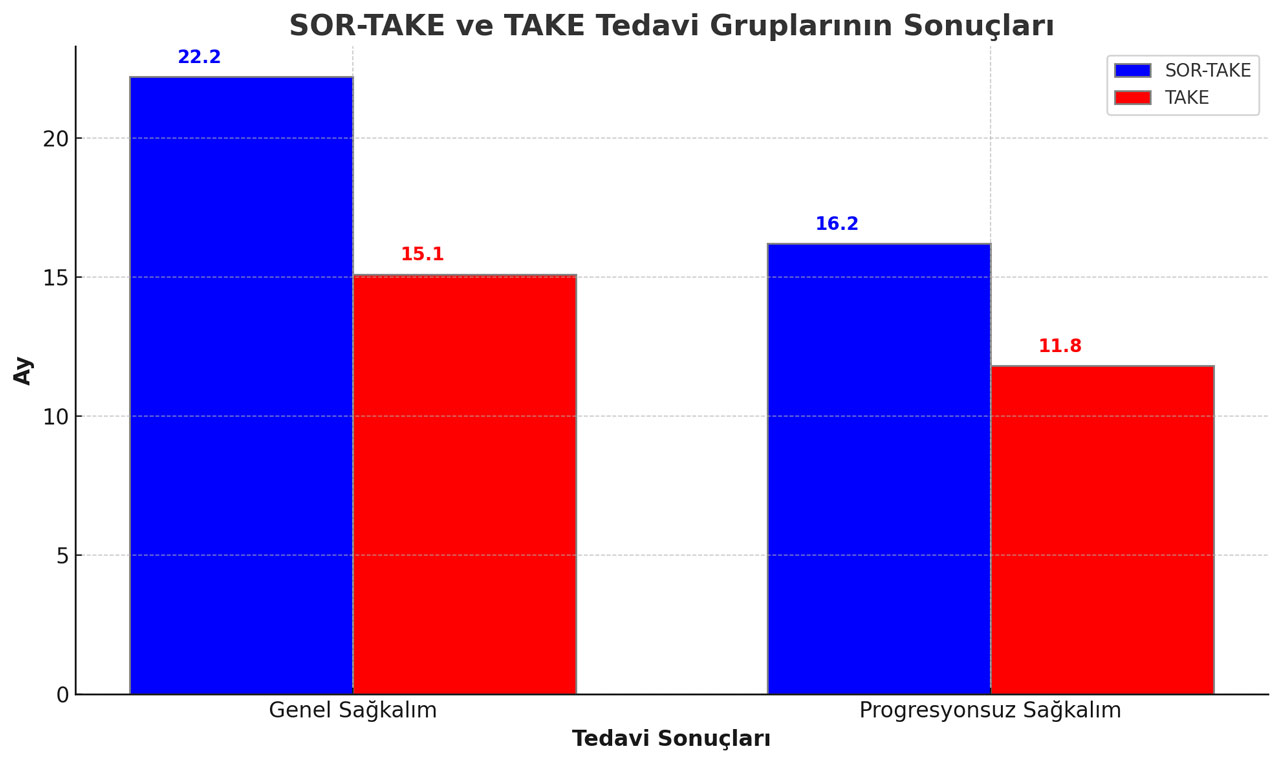
- Overall Survival: Median overall survival was significantly longer in the SOR-TACE group than in the TACE-alone group (22.2 months versus 15.1 months; hazard ratio [HR], 0.55; P < 0.001).
- Progression-Free Survival: The SOR-TACE group also had longer progression-free survival (16.2 months versus 11.8 months; HR, 0.54; P < 0.001).
- Response Rate: The objective response rate was higher in the SOR-TACE group than in the TACE group (SOR-TACE 80.2% versus TACE 58%; P = 0.002).
- Adverse Events: Adverse events of any grade were more common in the SOR-TACE group, but all side effects responded well to treatment.
- Safety: No unexpected adverse events or treatment-related deaths occurred in the study.
Commentary
These results indicate that sorafenib plus TACE should be considered for patients with recurrent intermediate-stage HCC and positive microvascular invasion after R0 hepatectomy. However, the open-label design may introduce potential bias. In addition, because most participants came from a region where chronic hepatitis B virus infection is common, the findings may have limited generalizability to populations with other causes of HCC.
Sources
Was this article helpful?
Your feedback helps us improve our content.




Reader comments
Share your comment
Your name and comment are published only after administrator approval. Your email address is never shown to visitors.
Be the first to comment.