
Calorie Restriction Extends Lifespan! But How?

In this article
Calorie restriction, consuming less energy daily, was discovered long ago to significantly extend lifespan in certain animal species. However, the underlying biological mechanisms have not yet been clarified. Advances in genetic technologies have recently accelerated research. In September 2017, Nature Communicationspublished a study discovering that our epigenetic structure determines lifespan and that calorie restriction extends life by influencing epigenetic mechanisms.
Blood samples from different species—mice, monkeys and humans—were used for methylation analysis , examining an epigenetic mechanism. Methylation adds methyl groups to genes. In other words, genes become silent, or inactive, without a structural change in the gene itself.
Researchers ensured samples represented different ages: mice from 3 months to 3 years, monkeys from 1 year to 30 years, and humans from 1 to 86 years. DNA methylation in blood samples was analyzed using modern gene sequencing technologies .
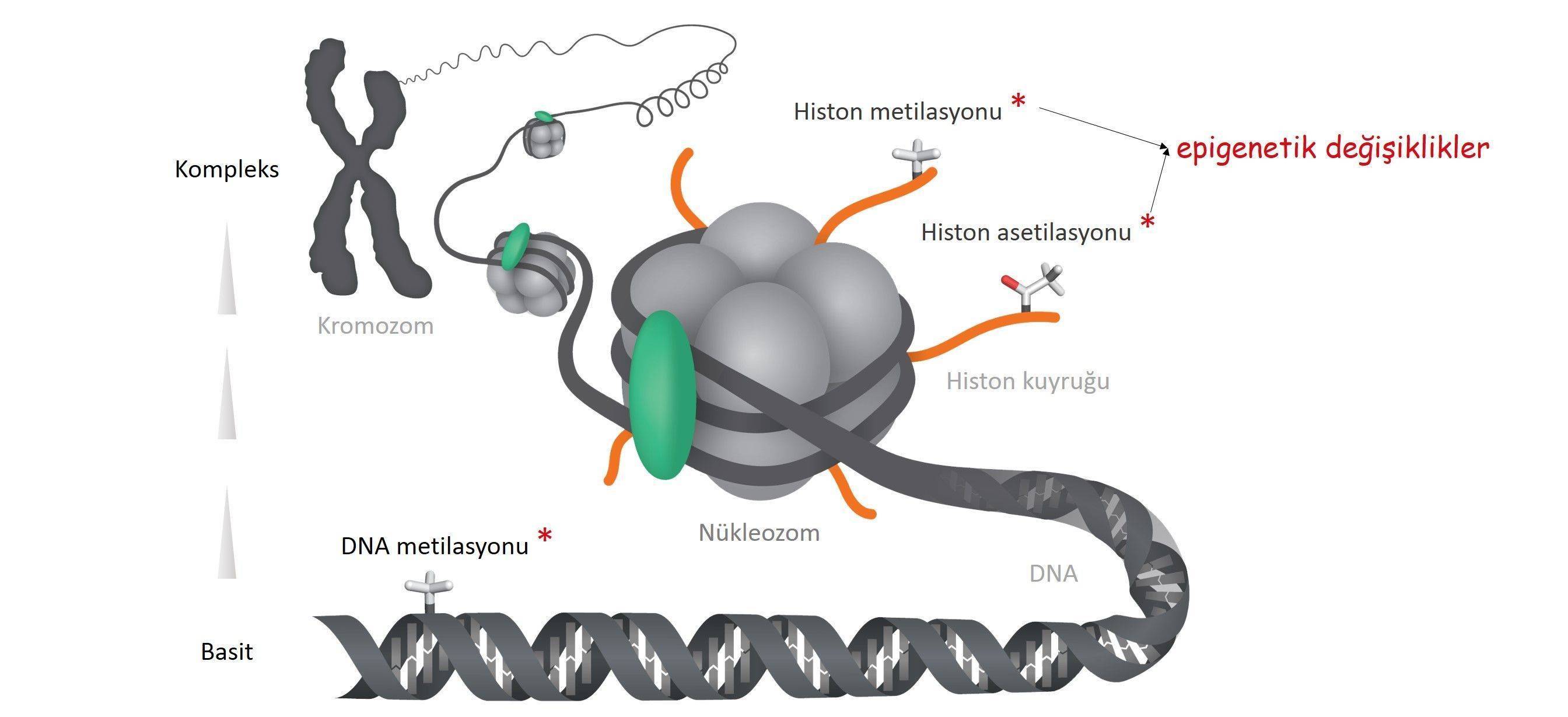
According to the Research Results:
- The greater the amount and speed of epigenetic changes (methylation), the shorter the species’ lifespan was found to be.
- The fastest epigenetic changes occurred in mice, and changes in monkeys were faster than in humans. This may partly explain why humans have the longest lifespan among these three species.
- The study also examined whether calorie restriction affected epigenetic changes. Calories were restricted in mice by 40 percent and in monkeys by 30 percent. Analyses showed that calorie restriction slowed epigenetic changes.
You may be interested in:
What Does This Study Mean?
- For the first time, calorie restriction was explained to extend lifespan by slowing epigenetic changes using modern genetic techniques .
- The importance of epigenetic mechanisms in lifespan and age-related diseases was once again recognized.
- The idea that calorie restriction plays a role in extending lifespan as well as protecting against cancer has gained importance.
- Genetic and epigenetic treatments targeting disease causes have begun to be developed. Targeting epigenetic mechanisms may reduce disease risks.
- It is important to emphasize that further studies will improve our understanding of calorie restriction’s effects on lifespan and cancer.
You May Be Interested In:
Sources
Caloric restriction delays age-related methylation drift.
Nature Communications. September 2017
Was this article helpful?
Your feedback helps us improve our content.




Reader comments
Share your comment
Your name and comment are published only after administrator approval. Your email address is never shown to visitors.
Be the first to comment.